

San Salvador: A City of Volcanoes and Wonders!
Images
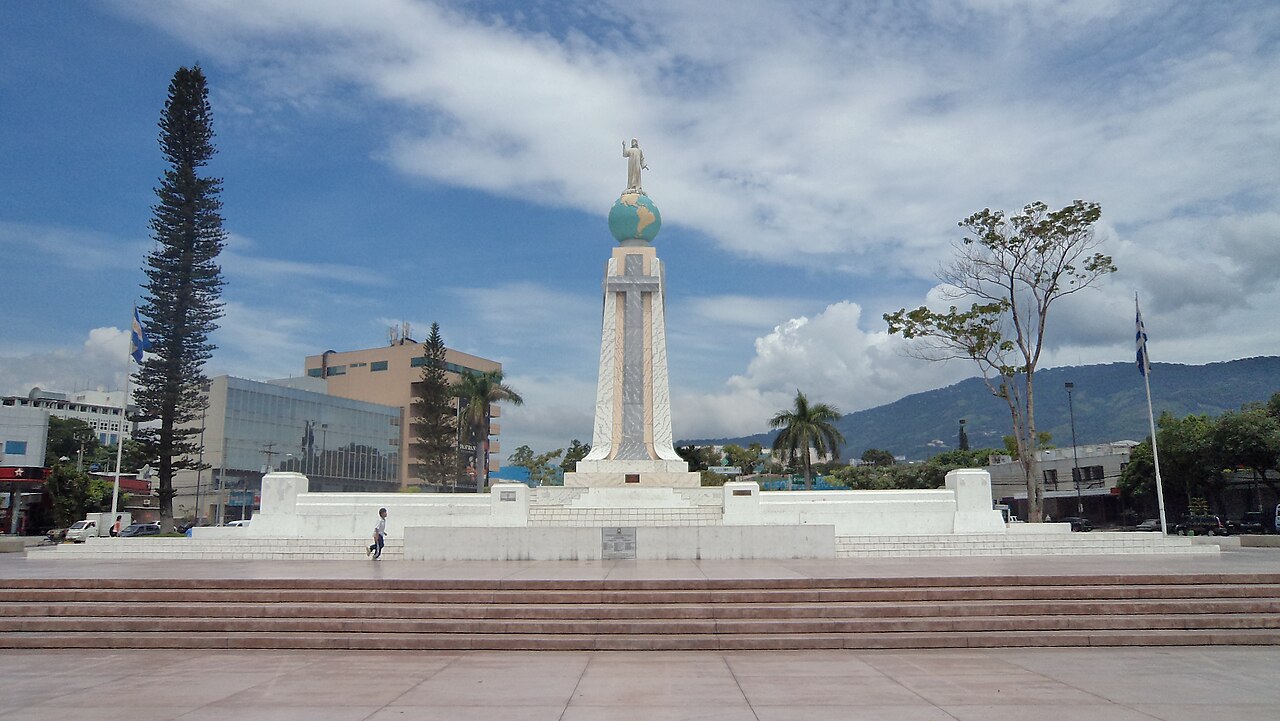
San Salvador
Geological Setting and Urban Dynamics
San Salvador, the capital of El Salvador, is strategically situated within the Valle de las Hamacas (Valley of the Hammocks), a region characterized by significant seismic activity and volcanic presence. The city is dominated by the imposing San Salvador Volcano (Quetzaltepec), a stratovolcano whose caldera contains the picturesque Lago de Ilopango, the country's largest lake. This geological setting profoundly influences the city's development, necessitating robust infrastructure and preparedness for natural hazards.
The tropical climate features a pronounced wet season from May to October, which can exacerbate issues like urban flooding. The city's expansion has led to a sprawling metropolitan area, encompassing municipalities like Santa Tecla and Soyapango, creating a complex urban ecosystem that balances economic activity with environmental considerations and disaster risk management. The area’s fertile volcanic soil also historically supported agriculture, though urbanization has largely transformed the landscape.
Demographics, Language, and Cultural Identity
With an estimated population of around 1.1 million within its administrative limits and over 2 million in its wider metropolitan area, San Salvador is the demographic and cultural nucleus of El Salvador. The official language is Spanish, a legacy of Spanish colonization, and the currency is the United States Dollar, adopted in 2001 to foster economic stability and integration. Salvadoran culture is a rich blend of indigenous Lenca and Pipil traditions, fused with Spanish colonial influences.
This syncretism is evident in its vibrant festivals, traditional music, and distinctive cuisine, most notably the pupusa. Pupusas, considered the national dish, are thick corn or rice flour discs stuffed with ingredients like cheese, chicharrón (fried pork), or beans, and are a staple of Salvadoran identity and social gatherings. The city also hosts numerous museums and cultural centers that preserve and promote this heritage.
Historical Trajectory and Urban Evolution
Founded by Spanish conquistador Pedro de Alvarado in 1525, San Salvador holds a significant place in the history of Central America. Its early years were marked by its role as a colonial administrative center, followed by periods of struggle for independence and internal conflict. The city has been rebuilt multiple times due to devastating earthquakes, notably in 1854 and 1917, each reconstruction phase shaping its architectural and urban fabric.
The 20th century saw rapid urbanization and industrialization, transforming San Salvador into a modern capital. Despite challenges, including periods of civil unrest and economic fluctuations, the city has demonstrated remarkable resilience. Its historical depth is visible in its colonial-era churches and plazas, juxtaposed with contemporary commercial and residential developments, reflecting a continuous process of adaptation and growth.
Governance, Economy, and Societal Structure
San Salvador serves as the political epicenter of El Salvador, a presidential republic where the president holds executive power. The city is governed by a mayor and a municipal council, elected by popular vote, overseeing local administration, public services, and urban development initiatives. Economically, San Salvador is the primary engine of the nation, concentrating a significant portion of El Salvador's industrial, commercial, and financial activities.
Key sectors include manufacturing, services, and retail. The country's economy also relies heavily on agricultural exports such as coffee, sugar, and textiles, as well as substantial remittances from Salvadorans living abroad, particularly in the United States. The government's policies aim to attract foreign investment, improve infrastructure, and address social inequalities, navigating the complexities of a developing nation within a globalized economy.
Education and Future Prospects
Education in San Salvador is a critical component of its societal development. The city hosts the majority of El Salvador's educational institutions, from primary and secondary schools to prestigious universities. The Universidad de El Salvador, the country's oldest and largest public university, is a key center for higher learning and research, playing a vital role in training professionals and contributing to national development.
Other notable institutions include the Universidad Centroamericana 'José Simeón Cañas' (UCA) and the Universidad Dr. José Matías Delgado. Access to quality education remains a priority, with ongoing efforts to improve school infrastructure, teacher training, and curriculum relevance to equip the younger generation with the skills needed for the modern workforce.
The city's future prospects are tied to its ability to foster innovation, attract investment, and ensure inclusive growth for all its residents.
Go deeper
Frequently Asked Questions
Why is San Salvador called a city of volcanoes?+
What is a pupusa?+
How does San Salvador deal with earthquakes?+
Why do people in San Salvador use the US dollar?+
Where is San Salvador located in El Salvador?+
Based on content from Wikipedia · Licensed under CC BY-SA 4.0