

Salta: A City in the Clouds!
Images

Llullaillaco mummies in Salta city, Argentina





Geographical Context and Urban Fabric of Salta
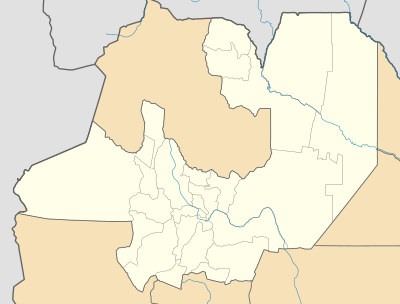
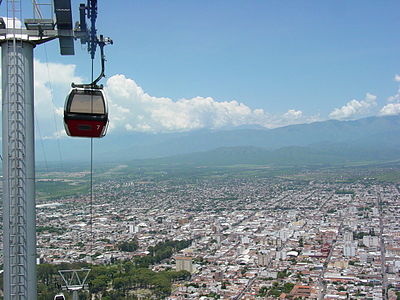
Salta, the capital of Salta Province, is strategically situated in the Valle de Lerma, a significant geographical basin in northwestern Argentina. This location places it within a region characterized by its proximity to the Andes, influencing its climate and landscape. The city itself is the core of the Valle de Lerma Metropolitan Area (AMVL), a conurbation that encompasses several adjacent municipalities.
This metropolitan structure highlights Salta's role not just as a city, but as the primary administrative, economic, and cultural nexus for over half of Salta Province's population. The urban development within the AMVL signifies a concentration of resources and population, typical of major provincial capitals that serve as magnets for internal migration and economic activity within their respective regions. Its position makes it a key point of connection between the Andean highlands and the lower plains.
Historical Trajectory and Enduring Heritage
Founded in the 16th century, Salta boasts a rich colonial history that has profoundly shaped its identity and urban landscape. As a key settlement during the Spanish Viceroyalty of the Río de la Plata, it played a crucial role in regional administration and defense. The city's historical architecture, characterized by colonial-era buildings and churches, stands as a testament to this past, offering insights into the architectural styles and urban planning of the period.
Salta's historical significance extends to its role in Argentina's struggle for independence. Over centuries, it has evolved from a colonial outpost to a modern provincial capital, continuously adapting while striving to preserve its unique heritage. This historical depth is a cornerstone of Salta's cultural appeal and its importance within the national narrative.
Cultural Synthesis and Societal Dynamics
Salta's cultural identity is a complex and dynamic synthesis of its indigenous roots and Spanish colonial legacy. This fusion is evident in its traditions, music, dance, and gastronomy, which offer a distinct regional flavor compared to other parts of Argentina. The Spanish language serves as the primary medium of communication, yet the cultural expressions often carry echoes of pre-Columbian societies and the influences of subsequent immigrant groups.
The city is a vibrant center for cultural production and dissemination, hosting numerous festivals and events that celebrate this heritage. Understanding Salta's culture involves appreciating the interplay between historical continuity and contemporary adaptation, reflecting the evolving social fabric of the region and its people's strong sense of place and identity.
Economic Functions and Urban Development
As the capital and largest city, Salta functions as the primary economic engine for its province. Its economy is multifaceted, likely encompassing a robust service sector, significant retail and commercial activity, and a growing presence in tourism, driven by its historical sites and natural surroundings. The Valle de Lerma Metropolitan Area represents a concentrated zone of economic opportunity and employment, attracting labor from both within the city and surrounding rural areas.
The city's role as an administrative center also contributes significantly to its economic base. Urban development in Salta, as in many growing cities, involves managing infrastructure, housing, and employment to accommodate its substantial population and its position as a regional hub. Its economic vitality is crucial for the overall development and prosperity of Salta Province.
Governance and Educational Landscape
Salta operates as the seat of government for Salta Province, housing its administrative functions and serving as the political capital. The city is also the center of the Capital Department, which is the most populous administrative division within the province, underscoring its central role in governance. Beyond its political significance, Salta is a vital educational hub.
It hosts a range of educational institutions, from primary and secondary schools to higher education facilities, including universities. The presence of these institutions not only serves the educational needs of the city's large population but also contributes to its intellectual and cultural dynamism, fostering research and development and preparing future generations of professionals and citizens for the province and beyond.
See also
Based on content from Wikipedia · Licensed under CC BY-SA 4.0