

Salad
Images
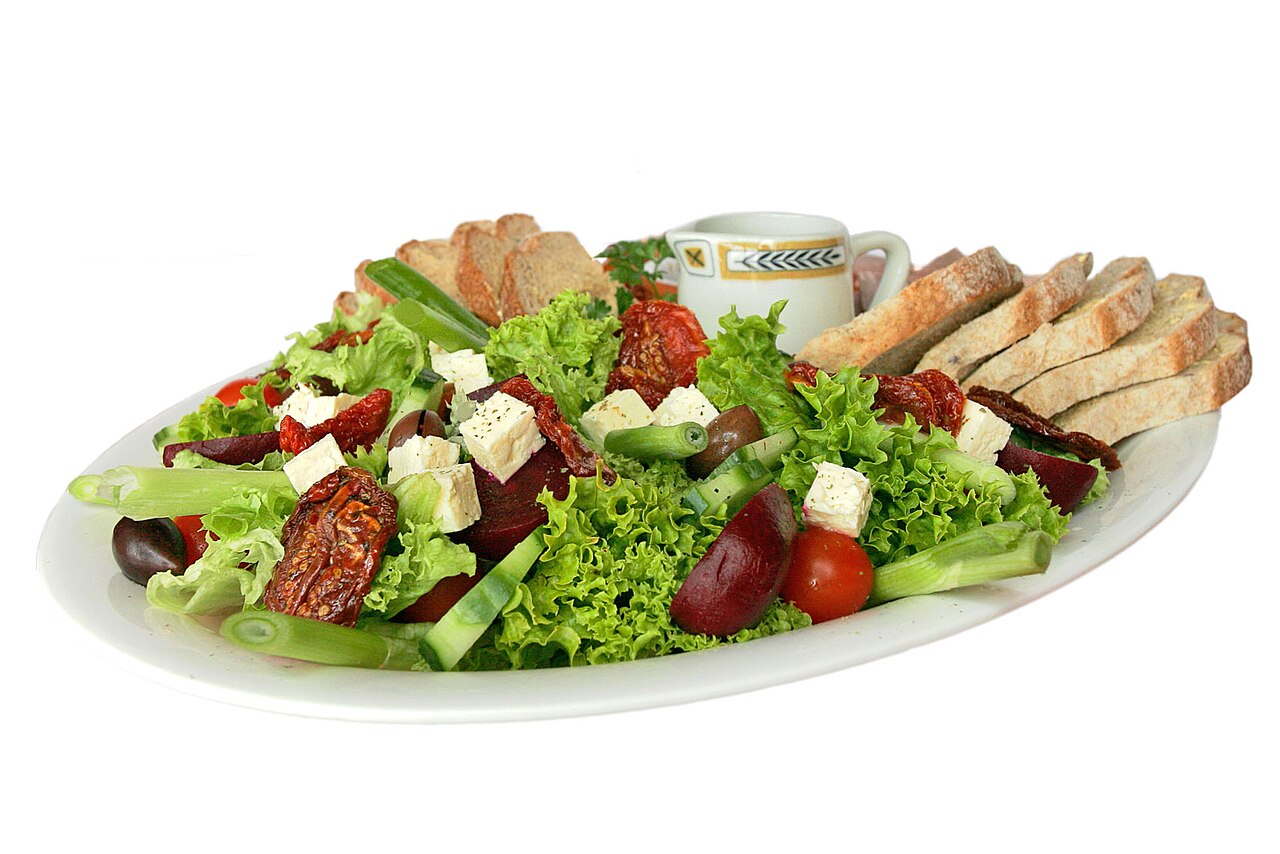
Salad
The Ancient Genesis and Evolution of the Salad
The concept of salad, broadly defined as a dish of raw or cooked ingredients, often mixed with a dressing, has ancient origins. Early forms existed in classical antiquity, with Romans and Greeks consuming mixtures of raw vegetables, herbs, and sometimes grains, seasoned with salt, oil, and vinegar. The etymological link to 'sal' (salt) underscores the fundamental role of seasoning in these primitive preparations.
Over centuries, the salad evolved significantly. During the Middle Ages, salads were often composed of cooked vegetables and herbs, with raw preparations becoming more common again during the Renaissance. The introduction of new ingredients from the Americas, such as tomatoes and potatoes, profoundly impacted salad composition.
The development of refrigeration and improved transportation in later centuries further expanded the range of available ingredients, transforming salads from seasonal, locally sourced dishes into year-round culinary staples with global variations. This historical trajectory demonstrates a continuous adaptation to available resources and evolving palates.
Nutritional Architecture
Salads are intrinsically linked to health and nutrition, serving as a primary vehicle for delivering essential micronutrients. The foundation of most salads, leafy greens, are dense in vitamins, including Vitamin A (crucial for vision and immune function), Vitamin C (an antioxidant and vital for collagen synthesis), and Vitamin K (essential for blood clotting and bone health). Minerals like iron, calcium, and potassium are also abundant, supporting energy production, bone density, and blood pressure regulation.
Beyond greens, the diverse array of vegetables and fruits commonly incorporated into salads provides a rich spectrum of phytochemicals and antioxidants. These compounds play a critical role in combating oxidative stress, reducing inflammation, and potentially lowering the risk of chronic diseases such as cardiovascular disease and certain cancers. The inclusion of healthy fats from sources like olive oil, avocados, and nuts further enhances nutrient absorption, particularly for fat-soluble vitamins.
Thus, salads represent a cornerstone of a balanced diet, contributing significantly to overall physiological well-being.
The Culinary Canvas
The creation of a compelling salad is a nuanced interplay of composition, texture, and dressing. The base, typically comprising various leafy greens, sets the stage for a symphony of flavors and textures. Beyond the greens, a well-constructed salad incorporates contrasting elements: crisp vegetables (cucumbers, bell peppers), tender proteins (grilled chicken, legumes), creamy components (avocado, cheese), and crunchy accents (nuts, seeds, croutons).
This textural diversity enhances the sensory experience and contributes to satiety. The dressing acts as the unifying agent, harmonizing the disparate elements. While classic vinaigrettes offer a light, acidic counterpoint, richer emulsions and creamy dressings provide a more decadent mouthfeel.
The choice of dressing is pivotal, influencing not only flavor but also the overall nutritional profile and perceived richness of the dish. Modern gastronomy explores innovative dressings, incorporating global flavors and techniques to elevate the humble salad into a sophisticated culinary creation.
Global Salad Spectrum
The concept of salad transcends geographical and cultural boundaries, manifesting in a vast array of forms worldwide. Each cuisine has adapted the fundamental idea of combining fresh ingredients to reflect local produce, culinary traditions, and flavor preferences. Examples abound: the Mediterranean offers vibrant Greek salads with feta and olives, while Italian cuisine features Caprese salad with tomatoes, mozzarella, and basil.
Asian culinary traditions present refreshing options like Vietnamese Goi Ga (chicken salad) or Thai Som Tum (papaya salad), often incorporating distinct sweet, sour, and spicy notes. Even dishes not traditionally labeled as 'salads,' such as Mexican salsas or Middle Eastern tabbouleh, share core principles of fresh, chopped ingredients. In contemporary culinary landscapes, salads are increasingly viewed not merely as side dishes but as complete, nutritious meals, with chefs experimenting with avant-garde ingredients and presentations, solidifying the salad's status as a dynamic and enduring element of global gastronomy.
Go deeper
Frequently Asked Questions
What is a salad?+
Why are salads good for our health?+
How did salads change over time?+
What kinds of foods can I add to a salad?+
What is a dressing and why is it important?+
Based on content from Wikipedia · Licensed under CC BY-SA 4.0