

Saipan: A Tropical Island Adventure!
Images
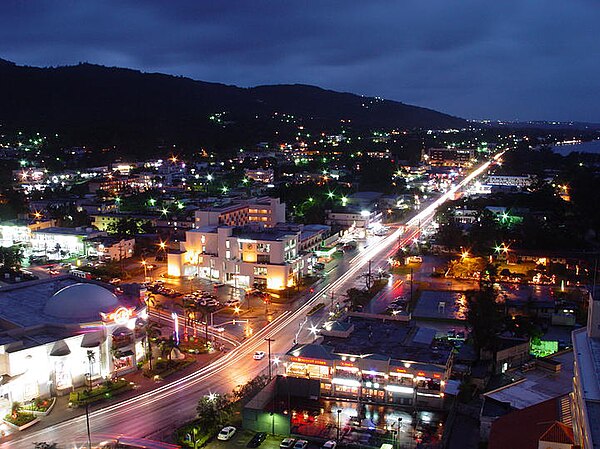
Saipan, Northern Mariana Islands
Geographical Context and Environmental Dynamics
Saipan, the principal island of the Commonwealth of the Northern Mariana Islands (CNMI), is strategically located in the western Pacific Ocean, approximately 3,700 miles west of Hawaii. Its geography is characterized by a long, narrow volcanic landmass, featuring a central ridge and coastal plains, bordered by extensive coral reefs. The island's tropical marine climate ensures warm temperatures year-round, with a pronounced wet season from July to November and a drier period from December to June.
This environment supports a unique ecosystem, though it is also vulnerable to natural phenomena such as typhoons, as evidenced by the devastating impact of Typhoon Yutu in 2018. The island's geological formation and its position in a seismically active region also contribute to its dynamic environment. Its proximity to major shipping lanes and strategic military locations underscores its geopolitical significance.
A Palimpsest of Colonialism and Conflict
Saipan's history is a complex narrative shaped by successive colonial powers and major global conflicts. Originally inhabited by the Chamorro people, the island came under Spanish rule in the 17th century, followed by German administration after the Spanish-American War. Japan acquired Saipan in 1914, developing it significantly until World War II. The Battle of Saipan in 1944 was a pivotal and brutal engagement, marking a turning point in the U.S. island-hopping campaign in the Pacific.
Following the war, Saipan became part of the Trust Territory of the Pacific Islands, administered by the United States. In 1978, it formally joined the United States as part of the Commonwealth of the Northern Mariana Islands, granting its residents U.S. citizenship. This history has left a profound impact on the island's culture, infrastructure, and identity.
Socio-Cultural Landscape and Identity
As the most populous island, Saipan serves as the political, economic, and cultural center of the CNMI. The population, estimated at 43,385 in 2020, is a diverse mix, with the indigenous Chamorro and Carolinian populations forming the bedrock of the cultural identity, complemented by significant Asian and other Pacific Islander communities. This demographic mosaic is a direct result of its historical interactions and contemporary economic ties.
The Chamorro language and traditions remain vital, though English is widely spoken and serves as the official language alongside Chamorro and Carolinian. The island's social fabric is woven from these diverse threads, creating a unique cultural tapestry that blends indigenous heritage with influences from its periods of foreign administration and its current U.S. affiliation.
Economic Drivers and Governance Structures
Saipan's economy is heavily reliant on tourism, which drives significant revenue through its numerous resorts, golf courses, and attractions. This dependence makes the island's economy susceptible to global travel trends and external shocks. The government sector is also a major employer, with the legislative, executive, and judicial branches of the Commonwealth government headquartered in Capitol Hill and Susupe, respectively.
Saipan functions as a single municipality, designated as the capital. The island's political status as an unincorporated U.S. territory shapes its governance, legal framework, and economic policies. The U.S. Dollar is the official currency, and federal laws apply to the extent they are extended to the Commonwealth.
Efforts are ongoing to diversify the economy beyond tourism and address challenges such as infrastructure development and environmental sustainability.
Education and Future Trajectories
Education on Saipan is structured within the framework of the U.S. public school system, administered by the Public School System (PSS) of the Northern Mariana Islands. This system provides education from kindergarten through 12th grade, with curricula often aligned with U.S. standards. Higher education opportunities are available through the Northern Marianas College, which offers associate degrees and vocational training, preparing students for local employment or further studies in the U.S. or elsewhere.
The educational system aims to equip the younger generation with the skills needed to navigate both the local economy, particularly in tourism and public service, and the broader global landscape. Emphasis is placed on cultural preservation alongside academic achievement, ensuring that students are connected to their heritage while prepared for future challenges and opportunities.
See also
Frequently Asked Questions
What is Saipan and where is it located?+
Why is Saipan a popular place for tourists?+
How does the weather change on Saipan?+
Who originally lived on Saipan and what languages are spoken there?+
What happened to Saipan during World War II?+
Based on content from Wikipedia · Licensed under CC BY-SA 4.0