

Russian Architecture: Castles, Cathedrals, and Cool Buildings!
Images

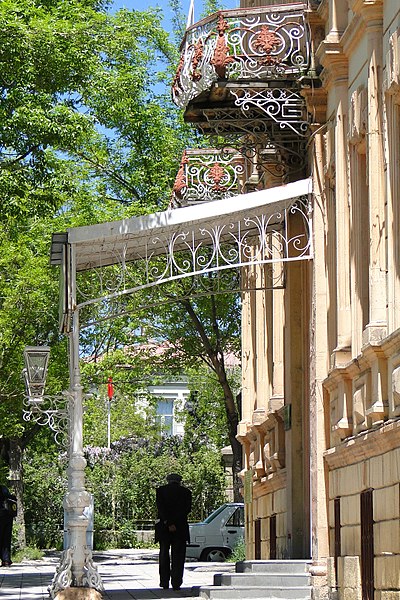
Ruin of Belle Epoque Russian Architecture - Kars - Turkey - 02




Geographical Determinants and Regional Diversity
Russia's immense geographical expanse, the largest on Earth, has profoundly shaped its architectural landscape, fostering remarkable regional diversity. The vast northern forests provided an inexhaustible supply of timber, leading to a sophisticated tradition of wooden architecture. This is exemplified by the intricate log churches and dwellings found in areas like Karelia and Arkhangelsk, where carpenters developed advanced techniques for constructing durable and aesthetically pleasing structures without nails.
Conversely, in the southern steppe regions and the Ural Mountains, stone and brick became more common building materials. The harsh climate, characterized by long, cold winters and heavy snowfall, necessitated specific design features such as steeply pitched roofs to prevent snow accumulation and robust insulation. This environmental adaptation is evident across various building types, from humble peasant izbas to grander urban structures, demonstrating a deep symbiosis between human construction and the natural world.
The sheer scale of the country also means that architectural influences, from Byzantine to Scandinavian and later Western European, were integrated differently depending on the region's historical interactions and access to resources.
Chronicles in Stone and Wood
The architectural narrative of Russia is a complex chronicle spanning over a millennium, marked by distinct historical epochs. Early structures, dating back to Kievan Rus' (9th-13th centuries), were predominantly wooden, reflecting the abundant forest resources. The adoption of Orthodox Christianity in 988 AD ushered in Byzantine architectural influences, most notably seen in the construction of stone churches with characteristic cross-domed plans and multiple cupolas, such as Saint Sophia Cathedral in Kyiv.
The Mongol invasion (13th-15th centuries) introduced some Central Asian elements, particularly in fortress design. The rise of Moscow as a center of power saw the development of distinctive Russian styles, blending Byzantine traditions with local innovations, culminating in the iconic onion domes. The Imperial period (18th-19th centuries) brought a dramatic shift, with Tsars like Peter the Great actively importing Western European styles. Baroque, Rococo, and Neoclassicism flourished, transforming cities like Saint Petersburg into grand European capitals, featuring opulent palaces, government buildings, and theaters designed by prominent international architects.
This era represents a deliberate effort to align Russia with Western European cultural and political norms, creating a rich architectural dialogue between native traditions and foreign imports.
The Spiritual and Social Fabric Woven into Buildings
Russian architecture is inextricably linked to its spiritual beliefs, social structures, and political ideologies. The Orthodox Christian faith has been a dominant force, shaping the design and symbolism of religious structures. The onion dome, a quintessential Russian motif, is often interpreted as representing the flame of faith or the struggle towards heaven.
Churches served not only as places of worship but also as community centers and repositories of art, adorned with elaborate frescoes, mosaics, and iconostasters. The Tsarist autocracy heavily influenced secular architecture, with grand palaces like the Winter Palace and Peterhof serving as powerful symbols of imperial might and lavish lifestyle. These structures were designed to impress and intimidate, reflecting the hierarchical social order.
In contrast, the traditional wooden izba of the peasantry reveals a more communal and practical way of life, often featuring decorative carvings that incorporated folk beliefs and symbols. The Soviet era introduced Constructivism and later Stalinist architecture, which prioritized functionality, monumentalism, and ideological messaging, further demonstrating how political systems leave their indelible mark on the built environment.
Materials, Techniques, and Enduring Masterpieces
The construction of Russia's architectural marvels relies on a rich palette of materials and a history of evolving techniques. Wood, readily available in the vast forests, was the primary material for centuries, enabling the creation of complex log structures, churches, and fortifications. The mastery of joinery and carpentry allowed for elaborate designs, often without the use of metal fasteners. As technology advanced, brick and stone became increasingly important, particularly for grander structures and in urban centers.
The development of advanced masonry techniques facilitated the construction of soaring cathedrals and imposing palaces. The iconic onion domes, frequently clad in gilded copper, enameled metal, or colored tiles, represent a unique decorative and structural innovation. Architects and builders, both native and foreign, employed a range of styles, from the Byzantine-influenced designs of early churches to the elaborate ornamentation of Baroque palaces and the stark functionality of Soviet-era buildings.
Enduring masterpieces like the Kremlin cathedrals, St. Basil's Cathedral, the Winter Palace, and the Kazan Kremlin stand as testaments to the enduring skill and artistic vision that have defined Russian architecture.
Legacy and Contemporary Relevance
The legacy of Russian architecture continues to resonate in the 21st century, influencing contemporary design and serving as a vital link to the nation's past. Historic sites, meticulously preserved and often designated as UNESCO World Heritage sites, draw millions of tourists annually, contributing significantly to the economy and fostering cultural understanding. The unique aesthetic of traditional Russian buildings, particularly the vibrant colors and distinctive forms of churches like St.
Basil's, remains a powerful symbol of Russian identity on the global stage. In modern Russia, architects grapple with integrating new developments into historic urban fabrics, balancing the need for contemporary infrastructure with the preservation of architectural heritage. This often involves innovative approaches to adaptive reuse, where historic buildings are repurposed for modern functions while retaining their original character.
Furthermore, contemporary Russian architects draw inspiration from historical styles, reinterpreting traditional motifs and materials in new and exciting ways, ensuring that the rich architectural dialogue of Russia's past continues to inform its future.
See also
Frequently Asked Questions
What are onion domes and why are they special in Russian buildings?+
Why do many Russian houses have steep roofs?+
How did wooden churches in northern Russia get built without nails?+
What styles of buildings did Peter the Great bring to Russia?+
Why are Russian cathedrals sometimes called "spiritual homes"?+
Based on content from Wikipedia · Licensed under CC BY-SA 4.0