

Romsdal: Norway's Awesome Adventure Land!
Images

Bjørnsund, Møre og Romsdal




The Geological Sculpting of Romsdal
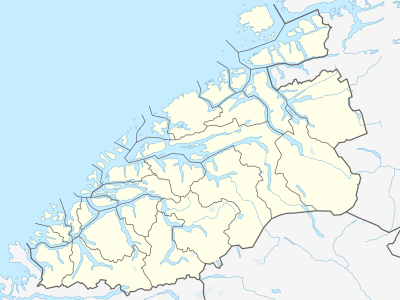
Romsdal, a traditional district within Norway's Møre og Romsdal county, presents a compelling case study in glacial geomorphology. Situated between the historical regions of Nordmøre and Sunnmøre, its identity is intrinsically linked to the monumental landscapes sculpted by ancient ice sheets. The district's namesake, Romsdalen valley, is a prime example of a U-shaped glacial valley, characterized by its steep, often near-vertical rock walls, sharp arêtes, and dramatic cirques.
These features are the result of intense glacial erosion over millennia, where massive ice flows carved through the bedrock, leaving behind a topography that is both awe-inspiring and challenging. The Rauma River, a significant watercourse, flows through this valley, further shaping the landscape and serving as a vital artery for the region. The district's administrative and geographical boundaries encompass several municipalities, including Aukra, Molde, Rauma, and Vestnes, alongside historical ties to former entities like Sandøy and Fræna.
This geographical configuration highlights how natural formations have historically dictated human settlement and regional identity in Norway.
Romsdal's Hubs
Within the rugged terrain of Romsdal, key settlements have emerged as vital centers of commerce, culture, and connectivity. Molde, the largest town, holds the prestigious position of being the administrative seat for the entire Møre og Romsdal county. This role imbues Molde with significant political and economic importance, making it a focal point for regional development and services.
Its coastal location also makes it a natural hub for maritime activities and tourism. Further inland, Åndalsnes, situated at the picturesque mouth of the Rauma River, serves as a crucial gateway to the dramatic Romsdalen valley and the surrounding mountain ranges. Åndalsnes is famously the terminus of the Rauma Line railway, a remarkable engineering feat that traverses some of Norway's most spectacular scenery. This railway line is not merely a mode of transport but a significant tourist attraction in itself, connecting the inland town of Dombås to the coastal beauty of Åndalsnes and offering unparalleled vistas of fjords, mountains, and waterfalls.
The presence of these well-established towns underscores Romsdal's dual nature as a region of wild, untamed nature and accessible, vibrant communities.
The Rauma Line
The Rauma Line railway stands as a testament to human ingenuity in harmonizing with and showcasing the extraordinary natural environment of Romsdal. This iconic railway line, stretching from Dombås to Åndalsnes, is celebrated for its breathtaking route, which winds through some of Norway's most dramatic landscapes. As it descends towards the coast, the line offers passengers unparalleled views of towering peaks, deep valleys, and cascading waterfalls, including the famous Kylling Bridge and the Vermafossen waterfall.
The construction of the Rauma Line was a significant undertaking, involving numerous tunnels and bridges, including the impressive Kylling Bridge, a double-track concrete arch bridge that is a marvel of early 20th-century engineering. The railway not only facilitates travel and commerce but also acts as a powerful engine for tourism, drawing visitors from around the globe who wish to experience the raw beauty of Romsdal up close. Its terminus at Åndalsnes places it at the heart of the region's natural attractions, making it an indispensable part of the Romsdal experience.
Romsdal's Identity
While Romsdal is undeniably defined by its spectacular glacial topography, its significance extends to its cultural heritage and its role in Norwegian identity. The district has long been a source of inspiration for artists, writers, and adventurers, drawn by the sheer scale and beauty of its mountains and valleys. The historical municipalities that comprise Romsdal, such as Aukra, Molde, Rauma, and Vestnes, each possess their own unique local traditions and histories, contributing to the rich tapestry of the region.
The integration of former municipalities like Sandøy and Fræna into larger administrative units reflects evolving governance structures, yet the historical and cultural ties to Romsdal remain strong. The region's connection to the sea, evident in its coastal municipalities, also plays a crucial role in its identity, influencing its economy, culture, and way of life. Romsdal, therefore, represents a compelling intersection of natural grandeur, historical development, and enduring cultural significance, making it a vital and fascinating part of Norway.
See also
Frequently Asked Questions
What makes Romsdal a cool place to visit?+
Where does the Rauma River flow and why is it important?+
Why is Molde a special town in Romsdal?+
How can you see the mountains and waterfalls between Dombås and Åndalsnes?+
What is a U‑shaped valley and where can you see one in Romsdal?+
Based on content from Wikipedia · Licensed under CC BY-SA 4.0