

Riyadh
Images
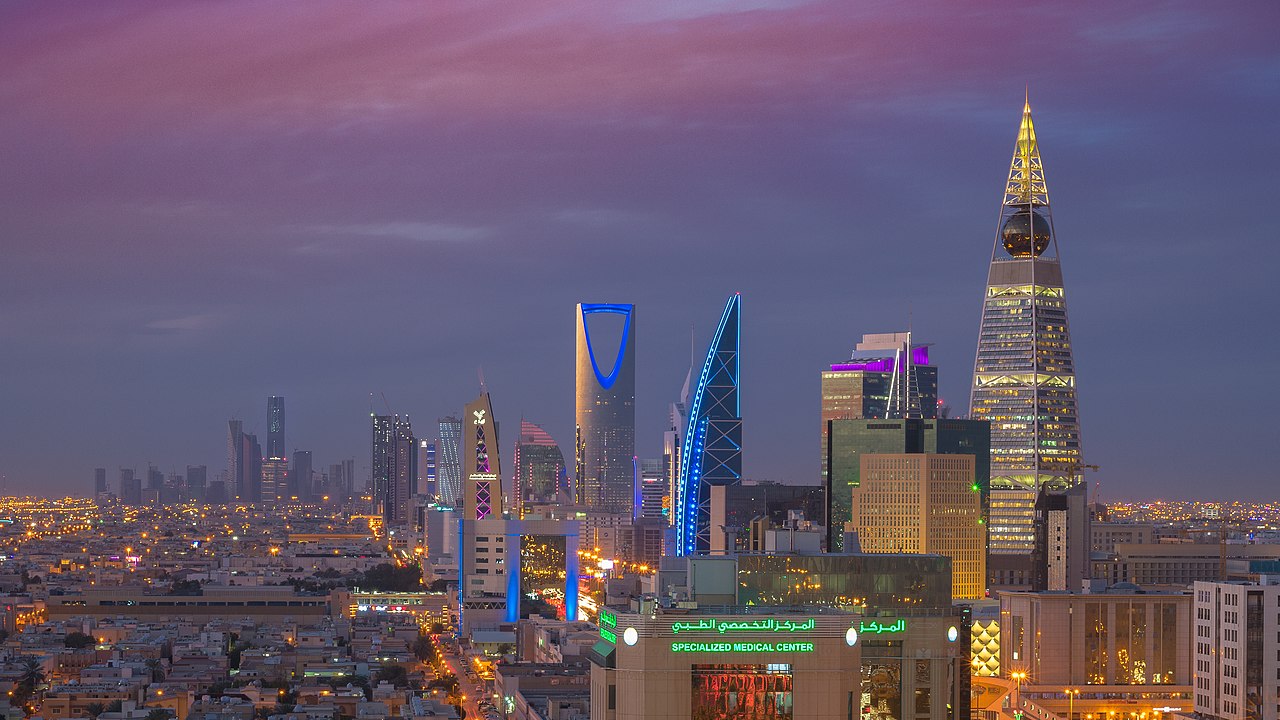
Riyadh
Geopolitical and Geographic Significance
Riyadh, situated in the heart of Saudi Arabia on the Najd plateau, serves as the nation's capital and primary administrative, political, and economic nucleus. Its strategic inland location, historically an oasis on ancient trade routes, has been instrumental in its development. The city's geography is characterized by a hot desert climate, with extreme summer temperatures and significant diurnal temperature variations.
Despite arid conditions, Riyadh has transformed itself through extensive infrastructure projects, including sophisticated water management systems, to support its massive population and verdant urban spaces. The city's expansion is a testament to human ingenuity in overcoming environmental challenges, creating a modern oasis that thrives amidst the desert.
Evolution from Diriyah to a Global City
The historical roots of Riyadh are deeply intertwined with the rise of the Saudi state. While modern Riyadh grew significantly from the mid-20th century onwards, its origins trace back to the ancient city of Diriyah, the first capital of the Saudi dynasty. The city's modern resurgence began in earnest after the discovery of oil, which fueled unprecedented economic growth and urban development.
This transformation is visually represented by its iconic skyline, dominated by architectural marvels like the Kingdom Centre and the Al Faisaliah Tower. These structures are not merely buildings but symbols of Saudi Arabia's ambition and its emergence as a significant player on the global stage, reflecting a deliberate effort to project modernity and progress.
Socio-Cultural Fabric and Daily Life
Riyadh's society is a dynamic blend of deeply ingrained Islamic traditions and rapidly evolving modern lifestyles. Arabic is the official language, and the cultural landscape is shaped by conservative Islamic values, though societal norms are undergoing gradual shifts. Daily life is characterized by a strong emphasis on family and community, alongside the adoption of global consumer trends. The city boasts a burgeoning arts and culture scene, with numerous galleries, museums, and cultural events that showcase both traditional Saudi heritage and contemporary artistic expressions.
This duality creates a unique social environment where ancient customs coexist with the fast pace of a globalized urban center, attracting a diverse population from across the kingdom and beyond.
Economic Powerhouse and Vision 2030
As the economic engine of Saudi Arabia, Riyadh is a major financial and business hub. The city hosts the headquarters of numerous national and international corporations, driving industries such as finance, petrochemicals, technology, and real estate. The Saudi government's ambitious 'Vision 2030' plan places Riyadh at the forefront of economic diversification and development.
Initiatives like NEOM and the development of new entertainment and tourism sectors are reshaping the city's economic landscape, aiming to reduce reliance on oil and foster a more dynamic, diversified economy. This strategic vision positions Riyadh not just as a national capital, but as a future global investment destination and a center for innovation.
Governance and Urban Development
Riyadh is governed by the Riyadh Development Authority (RDA), which oversees urban planning and infrastructure development. The city's governance is focused on managing rapid population growth and implementing large-scale urban projects, including an extensive public transportation network and the Riyadh Metro system. This focus on infrastructure is crucial for supporting the city's expansion and improving the quality of life for its residents.
The RDA's strategic planning aims to create a sustainable, livable, and globally competitive city, aligning with the broader national objectives of Vision 2030. The city's development is a complex interplay of governmental policy, private investment, and the evolving needs of its diverse population.
Go deeper
Frequently Asked Questions
What is Riyadh?+
Why is Riyadh called a desert city?+
How did Riyadh grow after oil was found?+
Where can you see Riyadh’s famous skyscrapers?+
What is Vision 2030 and how does it affect Riyadh?+
Based on content from Wikipedia · Licensed under CC BY-SA 4.0