

Ravi Shankar: The Sitar Superstar!
Images
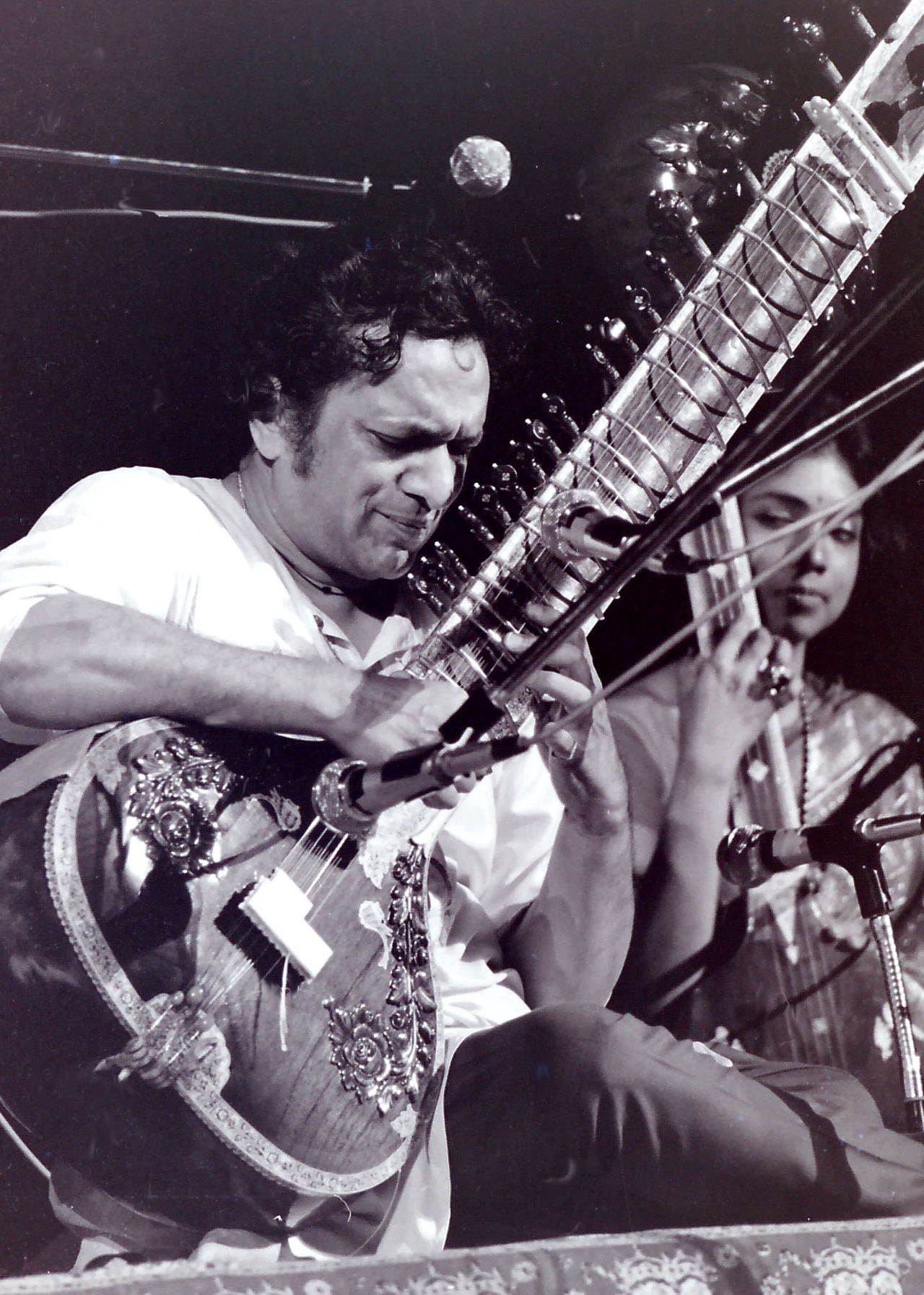
Ravi Shankar
The Genesis of a Global Icon
Ravi Shankar's trajectory from a promising dancer to a globally revered sitar maestro is a testament to his artistic evolution and profound dedication. Born in 1920 in Varanasi, British India, his early life was immersed in the arts, touring extensively with his elder brother Uday Shankar's influential dance company. This period exposed him to diverse cultures and performance styles, honing his stage presence and artistic sensibility.
However, the resonant, complex voice of the sitar, particularly under the tutelage of the formidable Allauddin Khan, captured his soul. He embarked on an arduous but ultimately transformative period of study, mastering the intricacies of Hindustani classical music, including its theoretical underpinnings, improvisational techniques, and spiritual dimensions. This deep immersion was crucial, providing him with the authentic foundation upon which he would later build his innovative global outreach.
Shankar's Role in the World Music Revolution
Shankar's ambition extended far beyond the concert halls of India; he envisioned Indian classical music as a universal language. His strategic collaborations were pivotal in achieving this goal. His partnership with Western classical violinist Yehudi Menuhin, culminating in the album 'West Meets East,' was an early landmark in cross-cultural musical fusion.
However, his most significant impact on popular culture came through his association with George Harrison of The Beatles. Harrison's fascination with the sitar, directly inspired by Shankar, led to its prominent use in Beatles songs like 'Norwegian Wood' and 'Within You Without You.' This exposure introduced the sitar's distinctive timbre to millions, catalyzing the burgeoning world music genre and influencing countless musicians across genres. Shankar's performances at iconic festivals like Monterey Pop (1967) and Woodstock (1969) cemented his status as a cultural ambassador, presenting the depth and sophistication of Indian music to unprecedented global audiences.
The Sitar as a Vehicle for Spiritual and Cultural Expression
For Ravi Shankar, the sitar was more than an instrument; it was a conduit for profound spiritual and cultural expression. He articulated that Indian classical music was deeply intertwined with philosophy and spirituality, aiming to evoke specific emotional states (rasas) and connect the listener to a higher consciousness. He meticulously explained the structure of ragas, not merely as scales but as complex melodic systems with prescribed rules for improvisation, often linked to particular times of day or seasons.
His compositions often explored themes of peace, unity, and the human condition, transcending linguistic barriers. By presenting the music with intellectual rigor and emotional depth, Shankar educated his audiences, fostering a nuanced appreciation for a tradition that valued introspection and artistic discipline as much as technical prowess.
Enduring Influence and Institutional Legacy
Ravi Shankar's legacy is multifaceted, encompassing artistic innovation, cultural diplomacy, and educational foresight. His contributions were recognized with numerous prestigious awards, including three Grammy Awards, an Academy Award nomination for his score for 'Gandhi,' and an honorary knighthood. Beyond accolades, his most enduring impact lies in his role as an educator and institution-builder.
He founded the Kinnara School of Music in Los Angeles and later in India, dedicated to preserving and propagating the tradition of Indian classical music. His influence continues through his disciples, including his daughters Anoushka Shankar and Norah Jones, who carry forward his musical lineage. Shankar fundamentally altered the global perception of non-Western music, demonstrating its capacity for profound artistic expression and its power to foster empathy and understanding across diverse cultures.
Go deeper
Frequently Asked Questions
What is Ravi Shankar famous for?+
How did Ravi Shankar learn to play the sitar?+
Why did Ravi Shankar work with Western musicians?+
How did Ravi Shankar influence The Beatles?+
What awards did Ravi Shankar win?+
Based on content from Wikipedia · Licensed under CC BY-SA 4.0