

Rapping: The Art of Rhyming Fast!
Images
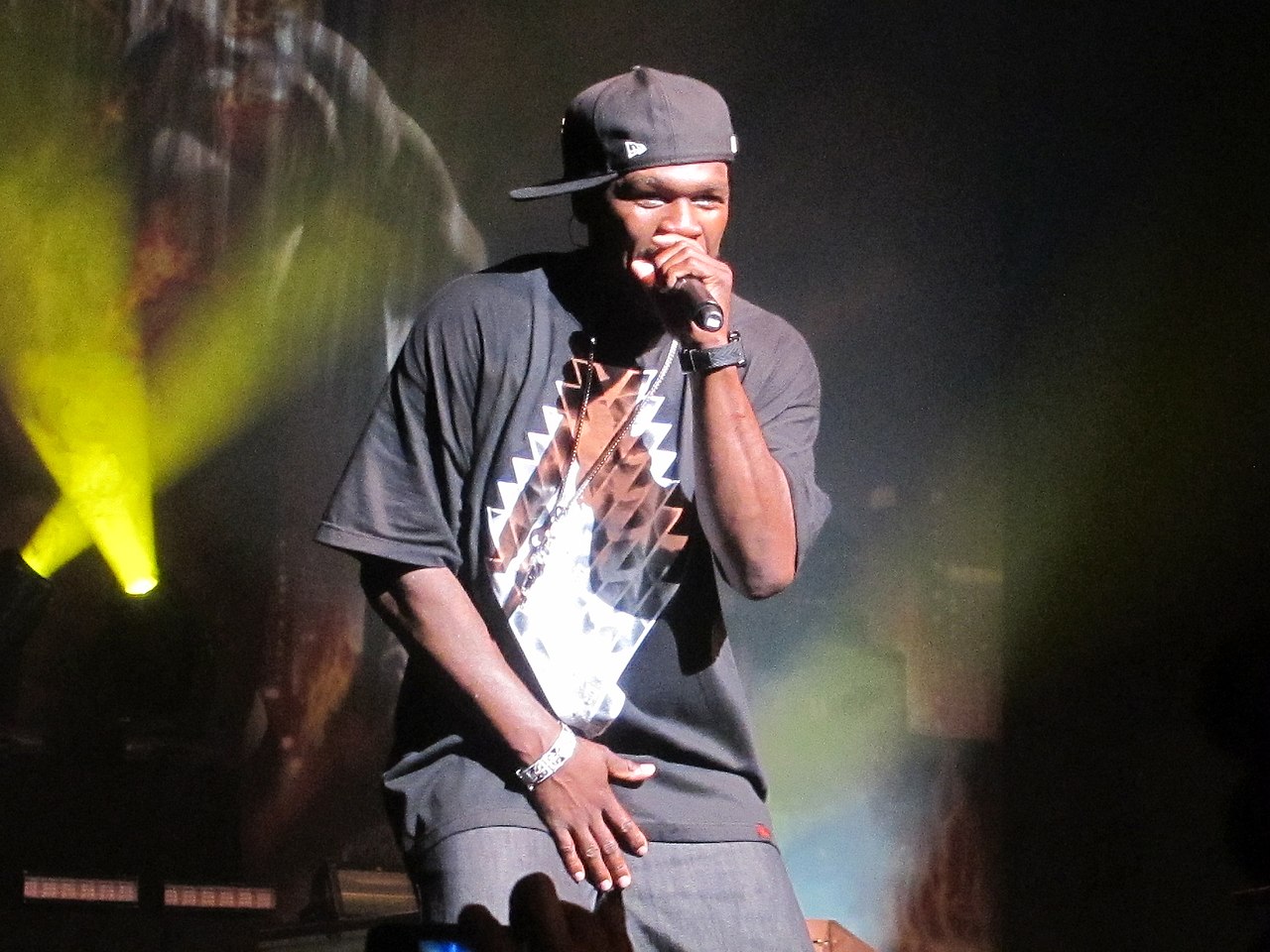
Rapping
The Genesis of the MC
Rapping, as a distinct vocal technique and musical genre, emerged from the vibrant cultural milieu of the South Bronx in the early 1970s. It was intrinsically linked to the broader development of hip-hop culture, which also encompassed DJing, breakdancing, and graffiti art. The practice evolved from the 'toasting' tradition in Jamaican music, where DJs and MCs would speak rhythmically over reggae beats.
In the Bronx, DJs like Kool Herc, Afrika Bambaataa, and Grandmaster Flash pioneered the use of turntables to isolate and extend instrumental breaks-the percussive sections of funk, soul, and disco records. MCs, initially tasked with hyping the crowd and introducing the DJ, began to develop more elaborate lyrical performances over these extended breaks. These early raps were often boastful, narrative, or celebratory, serving as a form of oral tradition and community expression in an environment marked by urban decay and social marginalization.
The lyrical content provided a voice for experiences often ignored by mainstream media, establishing rapping as a powerful medium for storytelling and identity formation.
The Craft of the Verse
The essence of rapping lies in its sophisticated lyrical techniques and the distinctive delivery of its practitioners. A rapper's 'flow' refers to the intricate interplay between their rhythmic phrasing, lyrical content, and the underlying beat. This involves mastering complex rhyme schemes, often extending beyond simple end rhymes to include multi-syllabic rhymes, internal rhymes, assonance, and consonance.
The cadence and tempo of delivery can vary dramatically, from rapid-fire, dense lyrical passages to slower, more deliberate enunciations, all designed to complement the musical arrangement. Beyond rhyme, rappers employ literary devices such as metaphor, simile, alliteration, and wordplay to imbue their lyrics with depth and meaning. The beat, typically produced using drum machines, samplers, and synthesizers, provides the sonic architecture.
Producers meticulously craft these beats, often layering samples from diverse musical sources, to create a compelling backdrop that enhances the rapper's vocal performance and contributes to the overall mood and message of the track.
Rapping as a Cultural Force
Rapping has transcended its origins to become a globally influential art form and a potent vehicle for social and political commentary. From its inception, artists have used rapping to articulate the realities of urban life, critique systemic inequalities, and advocate for social change. Groups like Public Enemy and N.W.A. famously used their music to address issues of racism, police brutality, and poverty, sparking both controversy and widespread dialogue.
The genre’s adaptability has allowed it to resonate across diverse cultures, with artists worldwide incorporating local languages, musical traditions, and sociopolitical contexts into their rap music. This global reach has made rapping a significant force in shaping contemporary culture, influencing not only music but also fashion, language, art, and even political discourse. Its ability to connect with audiences on a visceral and intellectual level underscores its enduring power as a form of artistic and social expression.
Evolution and Diversification
The evolution of rapping is a story of constant innovation and diversification. Following its foundational years, the genre saw significant stylistic shifts through the 'Golden Age' of hip-hop in the late 1980s and early 1990s, characterized by lyrical complexity and thematic breadth from artists like Rakim and Nas. The subsequent decades witnessed the rise of regional subgenres, such as the G-funk of the West Coast, the gritty narratives of East Coast hardcore rap, and the diverse sounds emerging from the South.
Rapping has also increasingly intersected with other musical genres, leading to fusions with R&B, pop, rock, and electronic music, broadening its appeal and sonic palette. Contemporary rapping continues to push boundaries, with artists experimenting with unconventional song structures, abstract lyrical themes, and avant-garde production techniques. This ongoing evolution demonstrates rapping's resilience and its capacity to remain relevant and dynamic in the ever-changing landscape of popular music.
The Enduring Significance
The significance of rapping extends far beyond its commercial success. It represents a powerful form of cultural resistance, artistic innovation, and community building. As an art form, it challenges conventional notions of poetry and vocal performance, demanding a high level of linguistic skill and creative expression.
Rapping has provided a platform for countless individuals to share their stories, find their voice, and achieve recognition, often from backgrounds where opportunities were scarce. Its influence on global youth culture is undeniable, shaping trends in music, fashion, and language. Looking forward, rapping is poised to continue its trajectory of innovation, likely exploring new technological integrations, further cross-cultural collaborations, and evolving lyrical and sonic landscapes.
Its legacy is firmly established as one of the most impactful and dynamic artistic movements of the modern era.
Go deeper
Frequently Asked Questions
What is rapping?+
Where did rapping start?+
How do rappers make their words rhyme?+
Why is rapping important for people?+
How can rapping be different around the world?+
Based on content from Wikipedia · Licensed under CC BY-SA 4.0