

Qazvin
Images
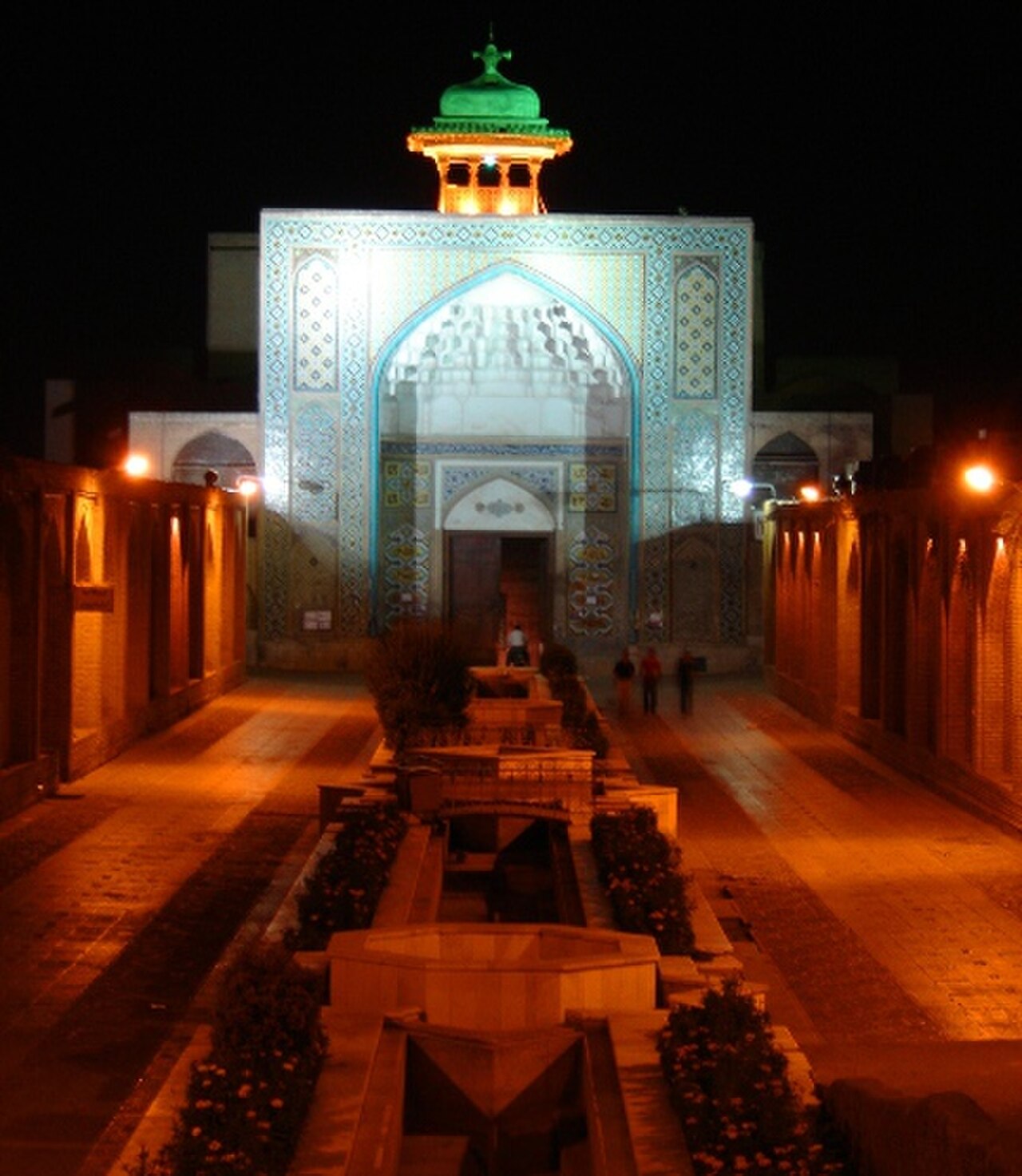
Masjed-alnabi-qazvin


Qazvin's Imperial Legacy
Qazvin's historical narrative is profoundly shaped by its tenure as the capital of the Safavid Empire for over four decades (1555–1598). This period marked a significant era of political, economic, and cultural flourishing for the city. As the seat of royal power, Qazvin became a focal point for architectural development, administrative organization, and the patronage of arts and sciences.
The Safavids, instrumental in establishing Shia Islam as the state religion of Iran, fostered a rich artistic environment. Qazvin, during this time, was not merely a political center but a vibrant hub where Persian culture and Islamic traditions converged, influencing subsequent generations. The city's strategic location and its role in imperial administration cemented its importance, leaving behind a legacy that continues to resonate in its urban fabric and cultural memory.
This imperial past provides a crucial context for understanding Qazvin's enduring significance in Iranian history.
The Artistry of Qazvin
In contemporary times, Qazvin has carved out a distinct identity as the undisputed calligraphy capital of Iran. This designation reflects a deep-seated appreciation for the written word as an art form, a tradition deeply embedded in Persian culture. Calligraphy in Qazvin is not just about beautiful script; it is an intricate practice that adorns architecture, manuscripts, and everyday objects, embodying aesthetic principles and spiritual depth.
Beyond calligraphy, the city is celebrated for its traditional confectioneries, such as the famed Baghlava, which represent a sophisticated culinary heritage. Furthermore, Qazvin's influence is evident in its unique carpet patterns, each design a testament to generations of artisanal skill and cultural storytelling. The subtle Pahlavi influences on its local accent also point to layers of historical interaction and linguistic evolution, adding further complexity to its cultural profile.
Geographical Determinants and Climatic Realities
The geographical setting of Qazvin significantly influences its character and development. Located approximately 150 kilometers (93 miles) northwest of Tehran, it occupies a plateau region. Its considerable altitude, around 1,800 meters (5,900 feet) above sea level, dictates a cold, dry climate.
This is largely due to its position at the southern flank of the formidable Alborz mountain range, specifically an area known as KTS Atabakiyam. These rugged mountains act as a climatic barrier, contributing to the arid conditions. Such an environment has historically shaped agricultural practices, architectural styles designed for insulation, and the resilience of its inhabitants.
The dry climate also plays a role in the preservation of historical artifacts and the unique ecosystems found in the surrounding mountainous terrain, making the geography an integral part of Qazvin's story.
Qazvin's Enduring Significance
Qazvin's importance transcends its historical role as an imperial capital; it lies in its dynamic synthesis of past grandeur and present artistic vitality. The city serves as a crucial nexus where historical narratives, particularly from the Safavid era, are preserved and reinterpreted through contemporary cultural expressions. Its designation as the calligraphy capital highlights a sophisticated artistic tradition that continues to thrive, contributing significantly to Iran's cultural landscape.
The city's renown for confectioneries and carpet patterns further underscores its rich artisanal heritage, offering tangible connections to its cultural identity. Moreover, Qazvin's geographical position and climate have fostered a unique regional character, influencing its development and the lifestyle of its people. As a provincial capital and a significant urban center, Qazvin remains a vital hub for cultural exchange, artistic innovation, and historical understanding within Iran.
Politics, Art, and Environment
The story of Qazvin is a compelling illustration of how political history, artistic development, and environmental factors intertwine. Its period as the Safavid capital demonstrates how centralized power can foster cultural and architectural achievements, creating a legacy that endures long after the empire's decline. The subsequent evolution into a center for calligraphy and traditional crafts shows how cultural identity can adapt and flourish, finding new avenues of expression.
This artistic prominence is not isolated; it is influenced by the city's historical context and its unique environment. The cold, dry climate and mountainous surroundings have likely inspired certain artistic motifs and necessitated specific craft techniques. The presence of poets and political newspapers further indicates a populace engaged with both creative and civic discourse.
Qazvin, therefore, offers a rich case study in the complex interplay of historical forces, artistic endeavors, and geographical realities that shape a city's enduring character and significance.
See also
Based on content from Wikipedia · Licensed under CC BY-SA 4.0