

Procession: A Parade of People!
Images
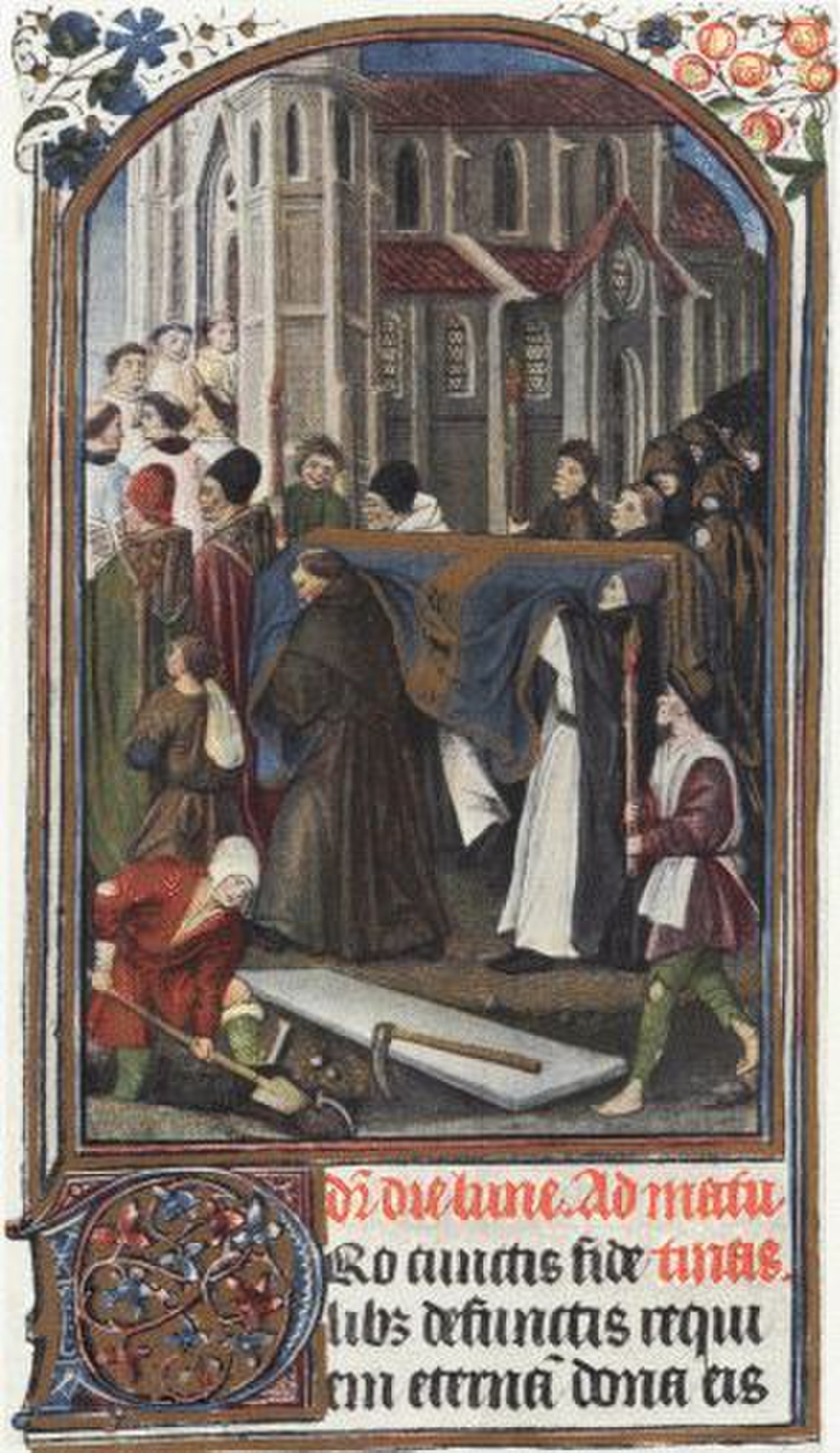
Procession
The Semiotics of Movement
Processions function as a powerful form of non-verbal communication, leveraging collective movement to convey complex messages. They are meticulously choreographed performances where the arrangement of participants, their attire, the objects they carry, and the auditory elements all contribute to a layered semiotic system. The very act of walking in unison signals order, discipline, and shared intent.
Whether advertising a commercial venture, signaling a political transition, or asserting group identity, the visual and auditory spectacle of a procession is designed to capture attention and imprint a message upon observers. The hierarchy within a procession, often subtly indicated by position or regalia, reinforces social structures or aspirations. This deliberate orchestration transforms a simple walk into a potent symbolic act, capable of influencing public perception and reinforcing community bonds or political ideologies.
From Sacred Rites to Civic Spectacles
The historical lineage of processions is deeply intertwined with the development of human civilization. In antiquity, processions were predominantly sacred, serving to appease deities, consecrate spaces, and reinforce cosmological order. Think of the elaborate religious processions in Mesopotamia or the solemn funeral processions in ancient Rome, designed to honor the dead and ensure their passage to the afterlife.
As societies evolved, processions diversified, incorporating civic and military functions. The Roman triumph, for instance, was a secular spectacle of immense political import, showcasing military might and imperial authority. Over centuries, these traditions evolved, influencing medieval religious festivals, Renaissance civic pageants, and the grand state processions of monarchies.
The underlying principle of collective, organized movement as a means of cultural expression and social reinforcement has persisted, adapting to changing political, religious, and social landscapes.
The Multifaceted Functions of Processions in Society
The significance of processions extends far beyond mere pageantry. They serve critical social and political functions. As a tool for displaying power, processions can legitimize authority, whether it be a monarch's procession to parliament or a military parade.
They are also instrumental in fostering social cohesion, bringing diverse groups together under a common banner, whether for a religious festival or a community celebration. In contemporary society, processions have become vital platforms for activism and advocacy. Marches for civil rights, environmental causes, or political protest utilize the visual impact of large numbers to amplify their message and demonstrate the breadth of support.
Furthermore, processions play a role in marking transitions and rites of passage, from graduations to weddings, providing a structured and communal way to acknowledge significant life events and integrate individuals into new social roles.
Anatomy of a Modern Procession
A contemporary procession is a complex interplay of elements designed for maximum impact. At its foundation is the organized body of participants, moving with a defined pace and direction. Music is almost invariably present, ranging from the disciplined precision of a military band to the spontaneous energy of a drum circle, setting the emotional tone and rhythm. Visual elements are paramount: banners, flags, effigies, and symbolic objects are carried aloft, serving as immediate identifiers and carriers of meaning.
The inclusion of transport, such as decorated vehicles, floats, or even symbolic animals, adds spectacle and can elevate specific individuals or themes. The spatial arrangement of participants often reflects social hierarchies, group affiliations, or the narrative progression of the event. These components are not merely decorative; they are functional, working in concert to communicate the procession's purpose, engage onlookers, and forge a sense of shared experience among those participating.
Processions in a Globalized World
In an era of globalization, processions continue to thrive, demonstrating both remarkable continuity and adaptive innovation. While ancient forms persist in religious and cultural festivals worldwide, modern processions are increasingly influenced by global media and political discourse. They serve as a powerful tool for cultural exchange, with international festivals showcasing diverse traditions.
Simultaneously, they are platforms for globalized social movements, where issues like climate change or human rights are addressed through transnational marches. The digital age has also impacted processions, with live streaming and social media amplifying their reach beyond the immediate physical audience. Despite these adaptations, the fundamental human impulse to gather, move collectively, and express shared identity or purpose through a structured procession remains a potent and enduring aspect of human social life.
Go deeper
Based on content from Wikipedia · Licensed under CC BY-SA 4.0