

Pound Sterling: The Money of Britain!
Images

25 pounds sterling will buy you..


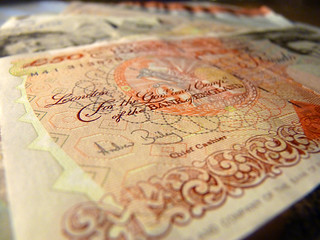

Chronicles of the Sterling
The pound sterling boasts an unparalleled lineage as the world's oldest currency still in active circulation. Its origins trace back to Anglo-Saxon England, where the 'pound' was initially a unit of weight for silver, signifying a substantial amount of wealth. Over centuries, this evolved into a standardized coinage, most notably the silver penny, with 240 pennies making up a pound.
The Norman Conquest in 1066 solidified its structure, and by the 13th century, the pound sterling was a well-established currency. Its resilience is remarkable; it has weathered empires, industrial revolutions, and global conflicts, consistently serving as the financial backbone of the United Kingdom. This enduring presence has imbued the pound with a unique historical gravitas, making it more than just a medium of exchange but a tangible link to Britain's past and its ongoing global influence.
The Sterling's Standing
In the intricate web of global finance, the pound sterling commands significant respect and utility. As of recent data, it ranks as the fourth most actively traded currency on the foreign exchange market, a testament to its liquidity and widespread acceptance. This high trading volume signifies its crucial role in international commerce, investment, and speculation.
Furthermore, the pound is a key component of the basket of currencies used to determine the value of the International Monetary Fund's Special Drawing Rights (SDRs), alongside the US dollar, euro, and Japanese yen. This inclusion underscores its systemic importance in the global financial architecture. Its status as a major reserve currency, held by central banks worldwide, further solidifies its position as a stable and reliable store of value, reflecting confidence in the UK's economic stability and policies.
Monetary Architects
The operational framework of the pound sterling is primarily overseen by the Bank of England, the UK's central bank. It is responsible for issuing the vast majority of sterling banknotes and for maintaining monetary stability. However, the issuance of banknotes presents a unique characteristic within the UK.
While the Bank of England is the principal issuer, private banks in Scotland (such as the Bank of Scotland and Clydesdale Bank) and Northern Ireland (like Danske Bank) also have the authority to issue their own sterling banknotes. These notes, though distinct in design, are fully backed and guaranteed by their respective issuing banks and are convertible at par with Bank of England notes. This decentralized aspect of note issuance, while regulated, adds a layer of complexity and regional identity to the pound's circulation, ensuring its presence across all constituent nations of the UK.
Sterling's Reach
The pound sterling's influence extends beyond the United Kingdom's borders, permeating nine of its associated territories. This broad usage highlights the historical ties and ongoing economic relationships that bind these regions to the UK. The currency's performance is a critical indicator of the UK's economic health, impacting everything from import costs to the attractiveness of foreign investment.
In an era of rapid technological advancement and evolving global economic dynamics, the pound sterling continues to adapt. Its ability to maintain its status amidst competition from other major currencies speaks to its inherent strengths, including a robust financial sector and a commitment to sound economic management. The future trajectory of the pound will undoubtedly be shaped by global economic trends, geopolitical shifts, and the UK's own policy decisions.
Go deeper
Frequently Asked Questions
What is the pound sterling?+
How old is the pound sterling?+
Why can banks in Scotland and Northern Ireland issue their own pound notes?+
Where is the pound used outside the UK?+
Why is the pound important in world trade?+
Based on content from Wikipedia · Licensed under CC BY-SA 4.0