

The Great Portuguese Switcheroo!
Images
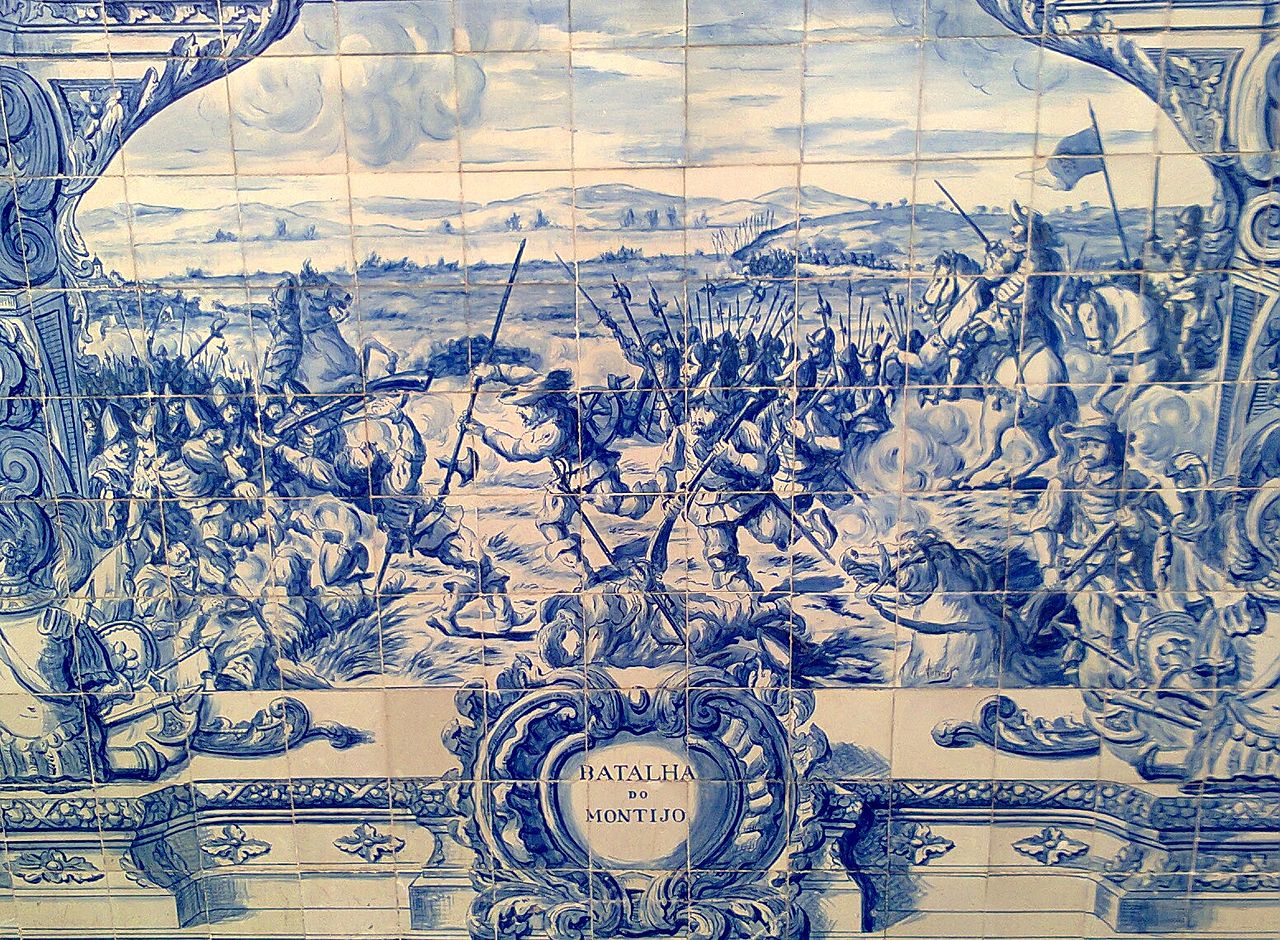
Batalha do Montijo


The Seeds of Discontent
The Portuguese Restoration War, spanning from 1640 to 1668, was the culmination of deep-seated dissatisfaction with the Iberian Union. This union, initiated by the succession crisis of 1580, placed the Spanish Habsburg monarchs on the Portuguese throne. While initially accepted, the subsequent decades saw a growing sense of Portuguese alienation.
The Portuguese felt their distinct administrative, economic, and cultural interests were being subordinated to those of Spain. The Spanish monarchy's involvement in costly European wars, such as the Thirty Years' War, also meant Portugal was drawn into conflicts that did not directly serve its own interests, straining its resources and manpower. This perceived neglect and erosion of autonomy fueled a nationalist sentiment, creating fertile ground for a movement aimed at restoring an independent Portuguese crown and asserting national sovereignty.
The revolution of December 1, 1640, was not a spontaneous uprising but the carefully orchestrated expression of this long-brewing desire for self-determination.
A Protracted Conflict
The war itself was characterized by a protracted series of skirmishes and intermittent, larger-scale military engagements rather than continuous, all-out warfare. This irregular pattern was significantly influenced by the broader geopolitical landscape of 17th-century Europe. Spain, heavily engaged in the Thirty Years' War until 1648 and subsequently in the Franco-Spanish War until 1659, had limited capacity to fully subjugate Portugal. Conversely, Portugal, while fighting for its independence, also found itself entangled in the Dutch-Portuguese War until 1663.
These external conflicts created a dynamic environment where alliances shifted, and the Iberian powers often fought on multiple fronts. Portugal's military strategy often relied on defensive tactics, leveraging its terrain and employing guerrilla warfare, while seeking crucial support from allies like France and England at various points. The war's duration underscores the resilience of Portuguese resistance and the strategic limitations faced by Spain.
The House of Braganza Ascends
A pivotal outcome of the Restoration War was the establishment of a new ruling dynasty in Portugal: the House of Braganza. This marked a definitive break from the Habsburgs, who had held the Portuguese crown since 1580. The ascension of John IV of Portugal, the first Braganza monarch, in 1640, symbolized the successful restoration of Portuguese independence and the reassertion of its distinct political identity.
The House of Braganza would go on to rule Portugal for over three centuries, playing a crucial role in shaping the nation's history, its colonial empire, and its eventual transition to a republic. The war, therefore, was not merely a territorial or political dispute; it was a foundational event that cemented a new royal lineage and set the course for Portugal's future trajectory.
The Treaty of Lisbon and the Enduring Legacy of Independence
The formal conclusion of the Portuguese Restoration War came with the signing of the Treaty of Lisbon in 1668. This treaty was the definitive international recognition of Portugal's restored sovereignty and independence from Spain. It officially dissolved the Iberian Union and affirmed the legitimacy of the House of Braganza's rule.
The war's legacy extends far beyond the immediate political settlement. It reinforced a strong sense of Portuguese national identity and pride, demonstrating the nation's capacity to defend its autonomy against a larger neighbor. This period of struggle and eventual triumph became a cornerstone of Portuguese historical memory, influencing subsequent national narratives and fostering a continued commitment to self-governance.
The war's successful outcome ensured Portugal's continued existence as a distinct European nation-state.
The 'Acclamation War'
Interestingly, within Portugal and among its sympathizers, this period of conflict was often referred to as the 'Acclamation War' (Guerra da Aclamação). This name highlights a key aspect of the revolution: the acclamation, or enthusiastic public endorsement, of the new monarch, John IV. It underscores the popular support and national consensus behind the movement to restore the Portuguese monarchy and independence.
Unlike a war initiated solely by ruling elites, the 'Acclamation War' suggests a broader societal commitment to the cause. This alternative naming convention provides a valuable insight into how the conflict was perceived and remembered by the Portuguese people themselves, emphasizing the popular will and national unity that underpinned their struggle for freedom.
Go deeper
Based on content from Wikipedia · Licensed under CC BY-SA 4.0