

Pão de Queijo: Yummy Cheese Buns!
Images
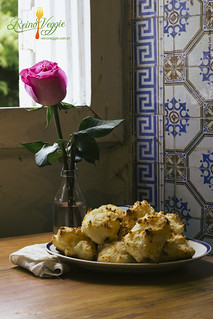
Pão de Queijo


The Multifaceted Identity of Pão de Queijo
Pão de Queijo, translating literally to 'cheese bread' in Portuguese, transcends its simple definition as a baked cheese roll or ball. It is a deeply ingrained culinary staple in Brazil, cherished as both a breakfast item and a ubiquitous snack. Its global appeal has surged, partly due to its naturally gluten-free composition, making it accessible to a wider audience.
The defining characteristic of Pão de Queijo is its remarkable texture: a delicate balance between a slightly crisp exterior achieved through high-temperature baking and a profoundly chewy, elastic interior. This unique mouthfeel is primarily attributed to the use of cassava flour, also known as tapioca starch or tapioca flour. Unlike wheat flour, which relies on gluten proteins to develop elasticity, cassava starch undergoes a different gelatinization process when heated, resulting in its signature stretchy quality.
The recipe traditionally incorporates both sour and sweet varieties of cassava flour, potentially influencing the final texture and subtle flavor notes. Often sold by street vendors in Brazil, Pão de Queijo is a symbol of accessible, comforting cuisine, readily available and enjoyed by all socioeconomic strata.
Historical Roots and Culinary Evolution in Minas Gerais
The genesis of Pão de Queijo is firmly rooted in the state of Minas Gerais, a region historically renowned for its extensive dairy production and agricultural bounty. While precise historical documentation is scarce, its origins are generally traced back to the 18th century, a period when wheat flour was a luxury commodity in Brazil due to import challenges. This scarcity spurred innovation, compelling cooks to utilize abundant local resources, most notably the cassava root.
Early iterations likely involved simple cassava starch or flour preparations. The integration of cheese, a readily available byproduct of Minas Gerais's thriving cattle industry, is believed to have been a pivotal development, transforming these basic starch rolls into the flavorful Pão de Queijo. Over centuries, the recipe has undergone refinement, becoming a cherished family tradition passed down through generations.
Its evolution reflects a resourceful adaptation to local ingredients and economic conditions, ultimately creating a distinct culinary identity that has since spread far beyond its state of origin, becoming a national treasure.
Socio-Cultural Significance and Economic Impact
Pão de Queijo occupies a significant position within Brazilian socio-cultural fabric, embodying notions of comfort, tradition, and everyday conviviality. Its affordability and widespread availability, often facilitated by street vendors and numerous bakeries and supermarkets, render it a democratic food item, accessible to virtually everyone. The act of sharing Pão de Queijo is often associated with social gatherings, family breakfasts, and casual encounters, fostering a sense of community and shared experience.
From a culinary perspective, it represents Brazil's ingenuity in leveraging indigenous ingredients like cassava to create globally appealing food products. While variations exist across South America, the Brazilian Pão de Queijo, with its specific textural profile and flavor derived from cassava and local cheeses, stands as a distinct cultural emblem. Economically, it supports small businesses, from cassava farmers to street vendors and commercial bakeries, contributing to local economies.
Its increasing international popularity also presents opportunities for export and the growth of Brazilian food businesses abroad.
The Science of Texture
The characteristic chewy and elastic texture of Pão de Queijo is a fascinating interplay of food science principles. The cornerstone ingredient, cassava flour (tapioca starch), possesses a unique amylose-amylopectin ratio and granular structure that dictates its behavior during heating. Unlike gluten-based flours, cassava starch undergoes gelatinization, where starch granules absorb water and swell, forming a viscous paste.
Upon cooling, this paste sets, creating the desired chewy consistency. The presence of both sour and sweet cassava flour can introduce lactic acid (in sour) and alter starch behavior, potentially contributing to a more pronounced chewiness and a subtle tang. The baking process itself is critical.
Pão de Queijo are typically baked at high temperatures (around 180-200°C or 350-400°F). This rapid heat application causes the exterior to puff up and form a crust through rapid evaporation of surface moisture and starch retrogradation, while the interior remains moist and pliable due to the gelatinized starch. The fat content from cheese and oil/butter also contributes to tenderness and mouthfeel, preventing the interior from becoming overly dense.
The absence of gluten means the structure relies solely on starch hydration and protein coagulation (from eggs, if used) for its integrity.
Variations and Global Reach
While the classic Pão de Queijo from Minas Gerais remains the benchmark, regional and international adaptations have introduced fascinating variations. These differences often stem from the specific types of cheese used, the ratio of sour to sweet cassava flour, and the inclusion or exclusion of other ingredients. For instance, some recipes might incorporate different Brazilian cheeses like coalho or parmesan for added flavor complexity.
Beyond Brazil, many South American countries have developed their own versions of cheese bread, sometimes incorporating ingredients like corn starch or wheat flour, which alter the texture and flavor profile significantly. The global spread of Pão de Queijo has led to its appearance in cafes and specialty food stores worldwide. This international presence has spurred further innovation, with chefs and home cooks experimenting with fillings, different cheese blends, and even vegan alternatives.
The adaptability of the core concept-a small, cheesy, baked good-allows it to resonate with diverse culinary traditions, solidifying its status as a globally recognized and beloved food item.
See also
Based on content from Wikipedia · Licensed under CC BY-SA 4.0