

Piracy: The Pirates of the Seas!
Images
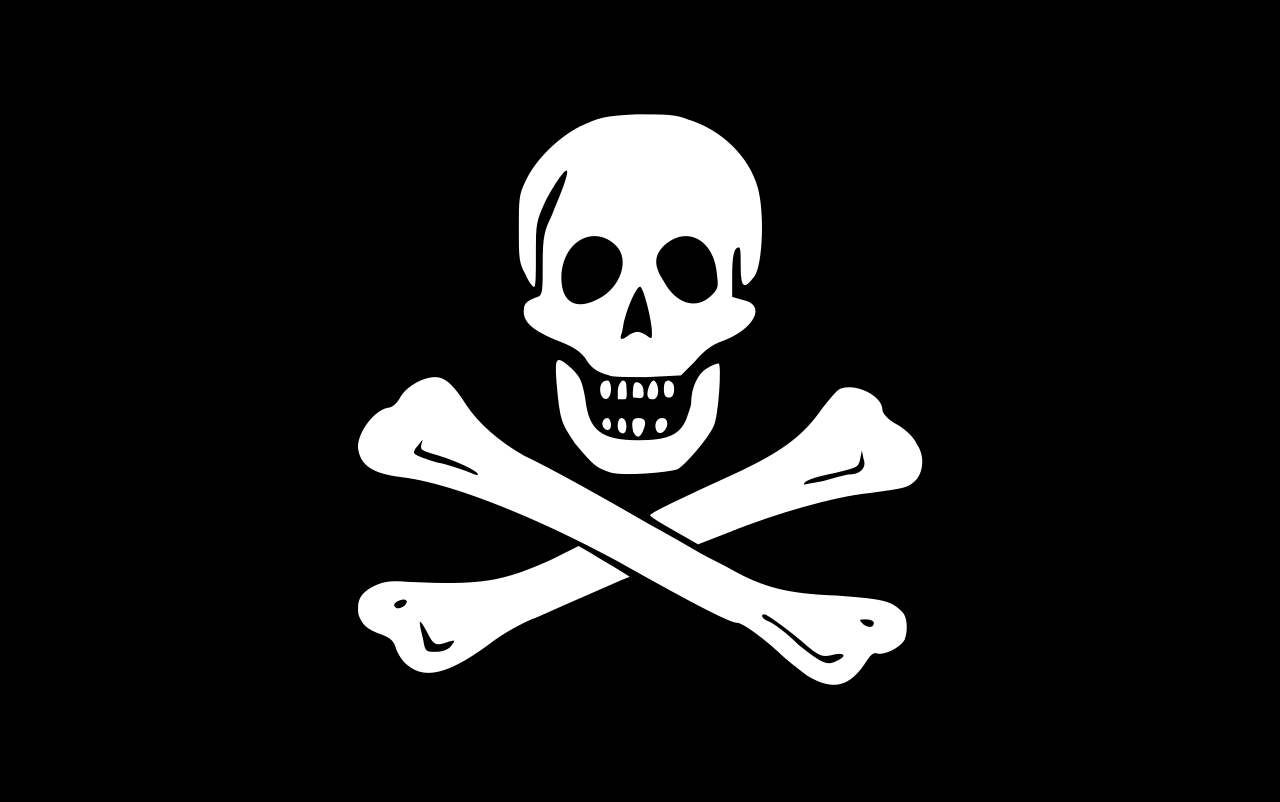
Piracy
The Genesis and Evolution of Maritime Predation
Piracy, the act of robbery or criminal violence at sea, has existed since antiquity, predating recorded history. Early forms were often opportunistic raids by coastal communities or disaffected groups. However, the phenomenon evolved significantly with the rise of global trade and naval powers.
The 'Golden Age of Piracy' (roughly 1650-1730) saw a surge in organized piracy, particularly in the Caribbean, driven by factors such as the decline of privateering after wars, harsh conditions in naval and merchant services, and the lucrative trade routes established by colonial empires. Pirates weren't just random thugs; many were former sailors seeking better terms, autonomy, or simply survival. They developed complex social structures aboard their ships, often electing captains and operating under agreed-upon 'articles' that provided a form of democratic governance, a stark contrast to the rigid hierarchies of legitimate maritime services.
This era saw figures like Blackbeard, Calico Jack, and Anne Bonny become infamous, their actions shaping the perception of piracy for centuries.
Socio-Economic Drivers and Pirate Societies
Understanding piracy requires looking beyond simple greed. Economic factors played a crucial role. The immense wealth flowing through trade routes, particularly from the Americas to Europe, created tempting targets.
Pirates often preyed on ships carrying valuable commodities like silver, sugar, tobacco, and slaves. Furthermore, the harsh realities of life for common sailors-brutal discipline, meager pay, dangerous conditions, and the threat of impressment-made piracy an attractive, albeit risky, alternative. Pirate communities, especially those based in havens like Tortuga or Port Royal, developed their own unique social dynamics.
These were often more egalitarian than contemporary societies, with shared plunder and a degree of social mobility. The 'articles' signed by pirate crews often stipulated equal shares of loot, provisions for injury, and democratic voting on important decisions. This relative freedom and fairness, however flawed, drew many to the pirate life, creating a subculture that challenged the established order of the 17th and 18th centuries.
The Mechanics of Maritime Raids and Capture
Pirate operations were characterized by strategic planning and tactical execution. Their success depended on speed, surprise, and intimidation. Pirate vessels were often smaller, faster, and more maneuverable than the merchant ships they targeted, allowing them to dictate the terms of engagement.
They would typically approach under sail, sometimes flying false colors (the flag of a friendly nation) to get close without raising alarm. Once within range, they would unleash cannon fire to disable the target's rigging or rudder, hindering its ability to escape. Grappling hooks were then used to pull the ships together for boarding.
The ensuing close-quarters combat was often brutal, with pirates relying on cutlasses, pistols, and sheer ferocity. The psychological impact of a pirate attack was immense; the threat of violence and plunder often led to surrender, minimizing casualties on both sides and preserving the captured vessel and its cargo for the pirates.
The Enduring Legacy and Modern Manifestations
The romanticized image of the pirate, heavily influenced by literature and film, has become a powerful cultural icon representing adventure, rebellion, and freedom. Works like Robert Louis Stevenson's 'Treasure Island' and films featuring characters like Captain Jack Sparrow have cemented this image in popular culture. However, piracy did not disappear with the Golden Age.
Modern piracy continues to be a significant global issue, particularly in regions like the Horn of Africa and Southeast Asia. These contemporary pirates often operate with sophisticated weaponry and tactics, posing serious threats to international shipping, global trade, and human safety. While the motivations and methods differ from historical pirates-often driven by poverty, political instability, and lack of opportunity-the core act of maritime robbery persists, highlighting the complex and persistent nature of this ancient crime.
Go deeper
Frequently Asked Questions
What was the Golden Age of Piracy and when did it happen?+
Why did some sailors become pirates instead of staying on regular ships?+
How did pirates decide who would be the captain and what rules they followed?+
What kinds of ships and weapons did pirates use to catch other ships?+
What kinds of goods did pirates target and why?+
Based on content from Wikipedia · Licensed under CC BY-SA 4.0