

Pigmy Pouter
Images
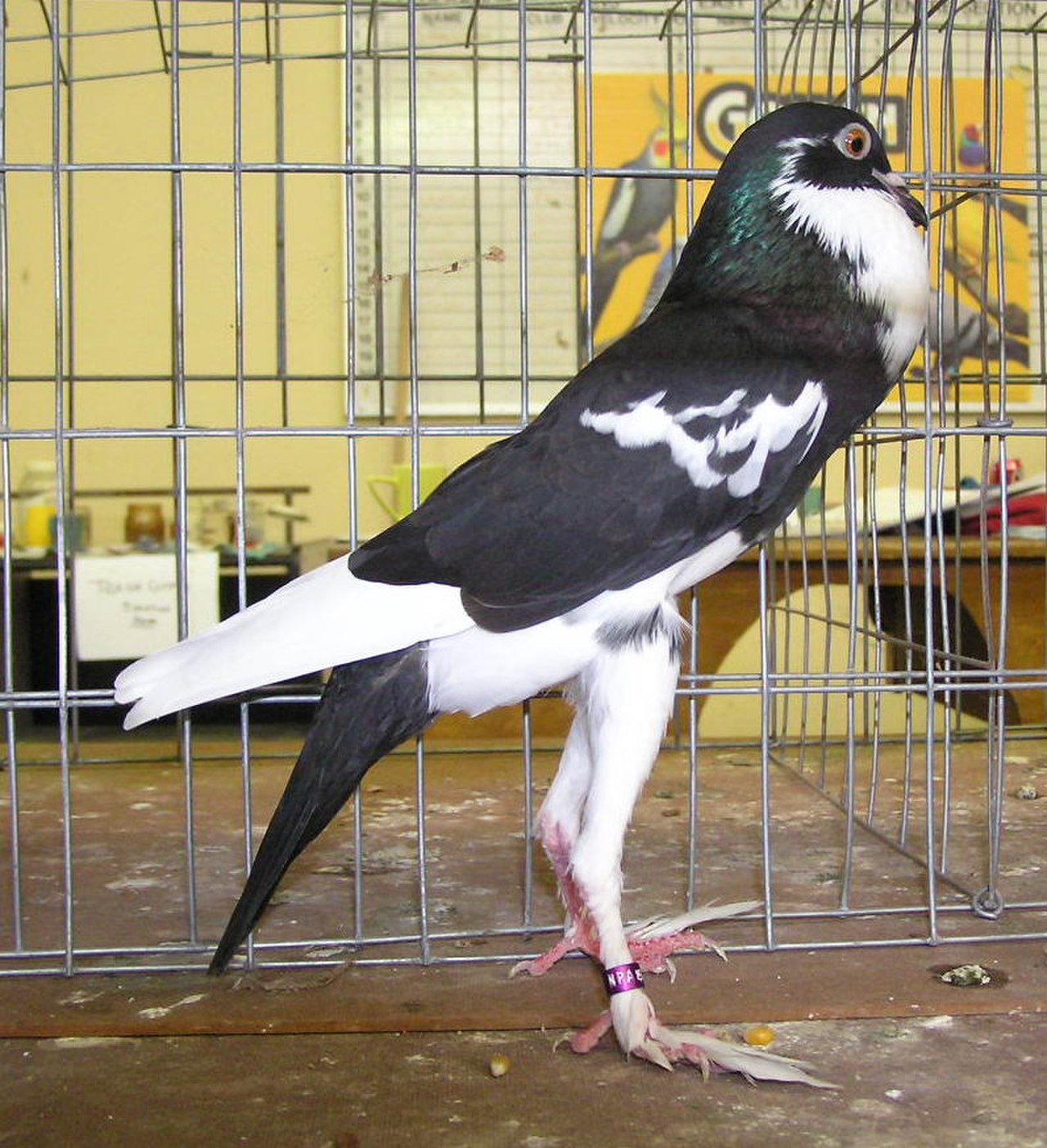
Pigmy Pouter


Morphological Artistry
The Pigmy Pouter is a prime example of avian morphology sculpted by human hands. As a domesticated breed, its existence and defining characteristics are entirely products of selective breeding, a practice that has been employed for millennia to shape animal populations for specific human desires. All domestic pigeons, including the Pigmy Pouter, are descendants of the wild rock pigeon, Columba livia.
This foundational species provides the genetic blueprint, but it is through generations of meticulous selection that the Pigmy Pouter has acquired its signature puffed chest and compact physique. This trait, often exaggerated to the point of appearing almost spherical when fully inflated, is not a natural adaptation for survival in the wild but rather an aesthetic feature cultivated for show and admiration. The breed's development underscores the power of human agency in directing evolutionary pathways, transforming a common wild bird into a living work of art that captivates with its unique form.
The Sebright Connection
The precise historical genesis of the Pigmy Pouter is a subject of ongoing discussion within avian enthusiast circles, yet a prominent theory attributes its initial development to the renowned British poultry breeder, Sir John Sebright. Sebright, celebrated for his creation of the Sebright Bantam chicken, possessed a keen understanding of genetics and a passion for developing breeds with highly specialized and often exaggerated traits. It is widely believed that he applied this same discerning eye and dedicated effort to pigeon breeding, potentially being one of the first to systematically select for the puffed-chest characteristic that defines the Pigmy Pouter.
While definitive documentation from that era can be scarce, the association with Sebright aligns with his known contributions to the world of fancy fowl and suggests a deliberate, long-term project to engineer this unique pigeon variety. The ongoing debate itself highlights the historical depth and the passionate community surrounding the development of such specialized breeds.
Beyond Utility
The Pigmy Pouter, as a 'fancy pigeon,' occupies a unique space within the broader context of human-animal relationships. Unlike pigeons bred for racing (homing pigeons) or for consumption, fancy breeds are developed and maintained primarily for their aesthetic qualities and the enjoyment they bring to breeders and observers. The Pigmy Pouter's exaggerated physical traits, particularly its puffed chest, are a testament to a long-standing human tradition of appreciating and cultivating beauty in the animal kingdom.
This practice of selective breeding for non-utilitarian purposes reflects a sophisticated level of cultural engagement with domesticated species, where animals become canvases for artistic expression and genetic manipulation. The existence of breeds like the Pigmy Pouter demonstrates that human interaction with animals extends beyond mere practicality, encompassing a desire for novelty, diversity, and the creation of living sculptures that evoke admiration and fascination.
The Pigmy Pouter as a Model for Genetic Artistry and Conservation Challenges
The Pigmy Pouter serves as a compelling case study in the power and implications of selective breeding. Its development highlights how focused genetic selection can lead to dramatic morphological changes, creating breeds that are strikingly different from their wild ancestors. This process, while resulting in visually impressive animals, also raises important considerations.
For breeds like the Pigmy Pouter, the very traits that make them desirable can sometimes pose challenges to their health and well-being if not managed carefully by breeders. For instance, extreme physical characteristics can sometimes lead to respiratory issues or difficulties in natural behaviors. Furthermore, as a purely domesticated breed, the Pigmy Pouter has no wild counterpart and relies entirely on human stewardship for its survival.
This dependence underscores the responsibility that comes with creating and maintaining such specialized breeds, emphasizing the importance of dedicated breeders, genetic diversity within the breed, and the ongoing effort to ensure their health and viability for future generations.
See also
Frequently Asked Questions
What is a Pigmy Pouter?+
How did the Pigmy Pouter get its puffed chest?+
Who helped create the Pigmy Pouter?+
Are Pigmy Pouters used for racing or food?+
Where do Pigmy Pouters come from originally?+
Based on content from Wikipedia · Licensed under CC BY-SA 4.0