

Philothei of Athens: A Brave Heroine!
Images
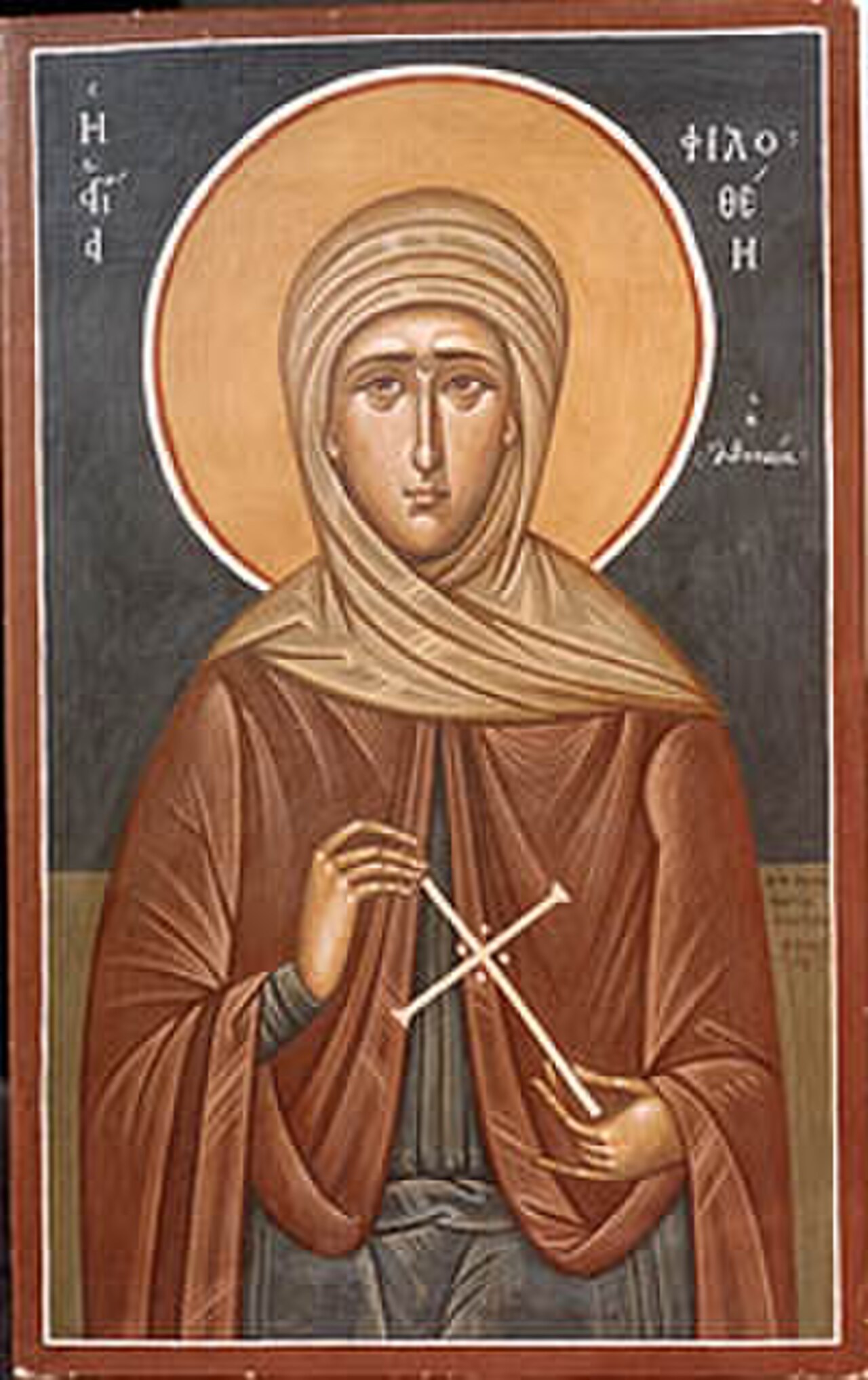
Philothei of Athens
Contextualizing Philothei's Life
Born around 1522 into a prominent Athenian family, Philothei, originally named Revoula, lived during a period of significant socio-political upheaval. Athens was under Ottoman rule, a reality that profoundly shaped the lives of its inhabitants, often characterized by economic hardship, social stratification, and religious tensions. Despite these challenging circumstances, Philothei's family possessed considerable wealth and influence, which she would later leverage for humanitarian endeavors.
Her upbringing instilled in her a deep sense of Orthodox Christian faith and a commitment to its principles, setting the stage for her remarkable life of service and resistance against the prevailing injustices of her time.
Philanthropic Resistance
Philothei's most celebrated and impactful work involved the systematic redemption of young girls from slavery. During the 16th century, the capture and sale of individuals, particularly women and children, was a grim reality within the Ottoman Empire. Philothei, driven by her profound Christian compassion and a fierce sense of justice, dedicated her personal fortune to buying back these vulnerable girls.
This was not merely an act of charity but a form of quiet resistance against the oppressive social structures that allowed such exploitation. She provided these rescued girls with not only freedom but also with education and a path towards a more dignified existence, often integrating them into her own household or finding them suitable marriages.
Establishing a Haven
Recognizing the need for a more structured and enduring support system, Philothei founded the Convent of St. Theodore in Athens. This monastic community served as a sanctuary for women, offering them spiritual guidance, education, and protection from the harsh realities of the outside world.
The convent became a center for religious devotion and charitable work, embodying Philothei's vision of a community dedicated to piety and mutual support. Its establishment was a significant undertaking, requiring careful planning, resource management, and the navigation of both religious and secular authorities. The convent stood as a testament to her enduring commitment to female welfare and spiritual resilience.
Canonization and Enduring Legacy
Philothei died around 1589, leaving behind a legacy that transcended her lifetime. Her unwavering faith, profound compassion, and courageous actions led to her canonization as a saint in the Eastern Orthodox Church. She is celebrated as Saint Philothei of Athens, a patron saint whose life exemplifies Christian virtues and the power of individual action to effect profound social change.
Her story continues to inspire believers and humanitarians alike, serving as a powerful reminder of the impact one person can have in combating injustice and fostering compassion, even within the constraints of a challenging historical context. Her life is a testament to the enduring strength of the human spirit and the transformative power of selfless love.
See also
Frequently Asked Questions
Who was Philothei of Athens?+
How did Philothei help enslaved girls?+
What was the Convent of St. Theodore?+
Why is Philothei called a saint?+
When did Philothei live and die?+
Based on content from Wikipedia · Licensed under CC BY-SA 4.0