

Philodendron: The Amazing Houseplant!
Images
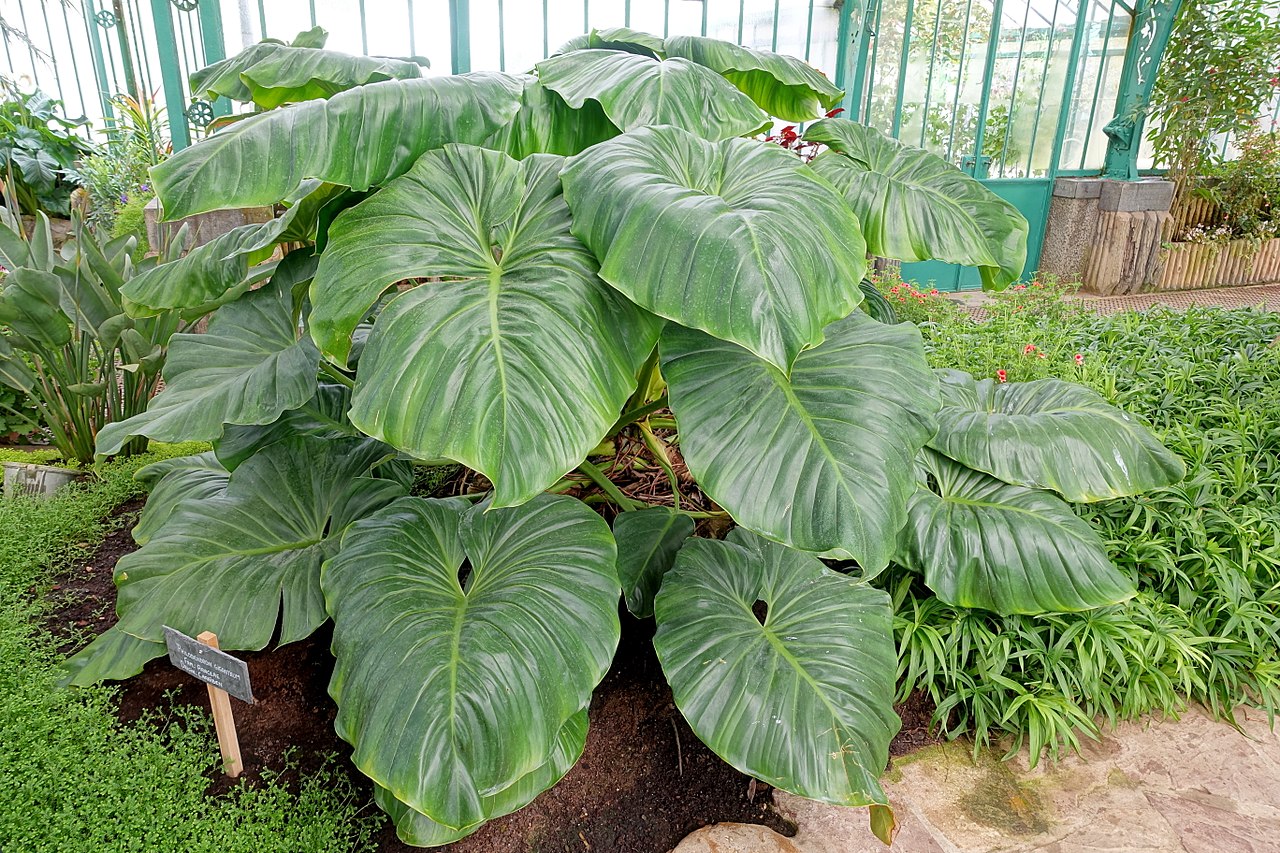
Philodendron


The Evolutionary Tapestry of the Philodendron Genus
The genus Philodendron, belonging to the Araceae family, represents a remarkable example of evolutionary adaptation to tropical rainforest ecosystems. Originating in the Neotropics, these plants have diversified into hundreds of species, showcasing a wide array of growth forms and strategies. Many Philodendrons are hemiepiphytes, initiating their life cycle as terrestrial seedlings before ascending host trees, developing specialized aerial roots for anchorage and nutrient absorption from bark and atmospheric moisture.
Others are true epiphytes, completely detached from the soil once established on tree branches. This arboreal lifestyle has driven the development of unique morphological features, including robust climbing mechanisms and efficient water uptake systems. Their evolutionary success is intrinsically linked to the stable, humid, and nutrient-rich conditions of their native habitats, allowing them to occupy diverse niches from the forest floor to the upper canopy.
Ecological Significance and Horticultural Value
Beyond their botanical intrigue, Philodendrons play vital roles within their native ecosystems. As primary producers, they form a significant part of the rainforest biomass, contributing to the food web and providing habitat for various invertebrates and small vertebrates. Their ability to thrive in low-light conditions on the forest floor makes them crucial for nutrient cycling and soil stabilization.
In recent decades, Philodendrons have gained immense popularity in horticulture, appreciated for their aesthetic appeal and air-purifying qualities. Their capacity to remove volatile organic compounds (VOCs) like formaldehyde and benzene from indoor environments, as demonstrated by NASA's Clean Air Study, has cemented their status as beneficial houseplants. This dual role-as ecologically important native flora and globally cherished ornamental plants-highlights their multifaceted significance.
Physiological Adaptations for Survival and Growth
The survival and proliferation of Philodendrons are supported by a suite of physiological adaptations. Their leaves, often large and glossy, are optimized for capturing the limited sunlight that penetrates the dense rainforest canopy, facilitating efficient photosynthesis. The development of specialized aerial roots is a key adaptation, allowing them to adhere to tree trunks, absorb atmospheric moisture and nutrients, and even contribute to nutrient uptake from decaying organic matter trapped on bark.
Some species exhibit thermogenesis, the ability to generate heat, which can aid in seed dispersal by attracting pollinators or in protecting reproductive organs from cold. Furthermore, their reproductive strategies often involve intricate relationships with specific pollinators, such as beetles, underscoring their interdependence within the rainforest ecosystem.
Cultivation Challenges and Conservation Considerations
While many Philodendron species are robust and adaptable to indoor cultivation, their wild counterparts face increasing threats. Habitat destruction due to deforestation, agricultural expansion, and climate change poses a significant risk to their populations. Many species are endemic to small geographic areas, making them particularly vulnerable to environmental disturbances.
Horticultural demand, while driving appreciation, can also lead to unsustainable wild harvesting if not managed responsibly. Conservation efforts are crucial to protect these unique plants and their ecosystems. Understanding their specific environmental needs-high humidity, indirect light, and well-draining soil-is essential for successful cultivation and for preventing the over-exploitation of wild populations, ensuring their continued presence both in their natural habitats and in homes worldwide.
Go deeper
Frequently Asked Questions
What is a Philodendron and why does it climb?+
How do Philodendrons help clean the air in our homes?+
Why do some Philodendrons grow on trees instead of in the ground?+
How do Philodendrons survive in low light on the forest floor?+
Why are wild Philodendrons at risk?+
Based on content from Wikipedia · Licensed under CC BY-SA 4.0