

Philo Farnsworth: The Wizard of Television!
Images
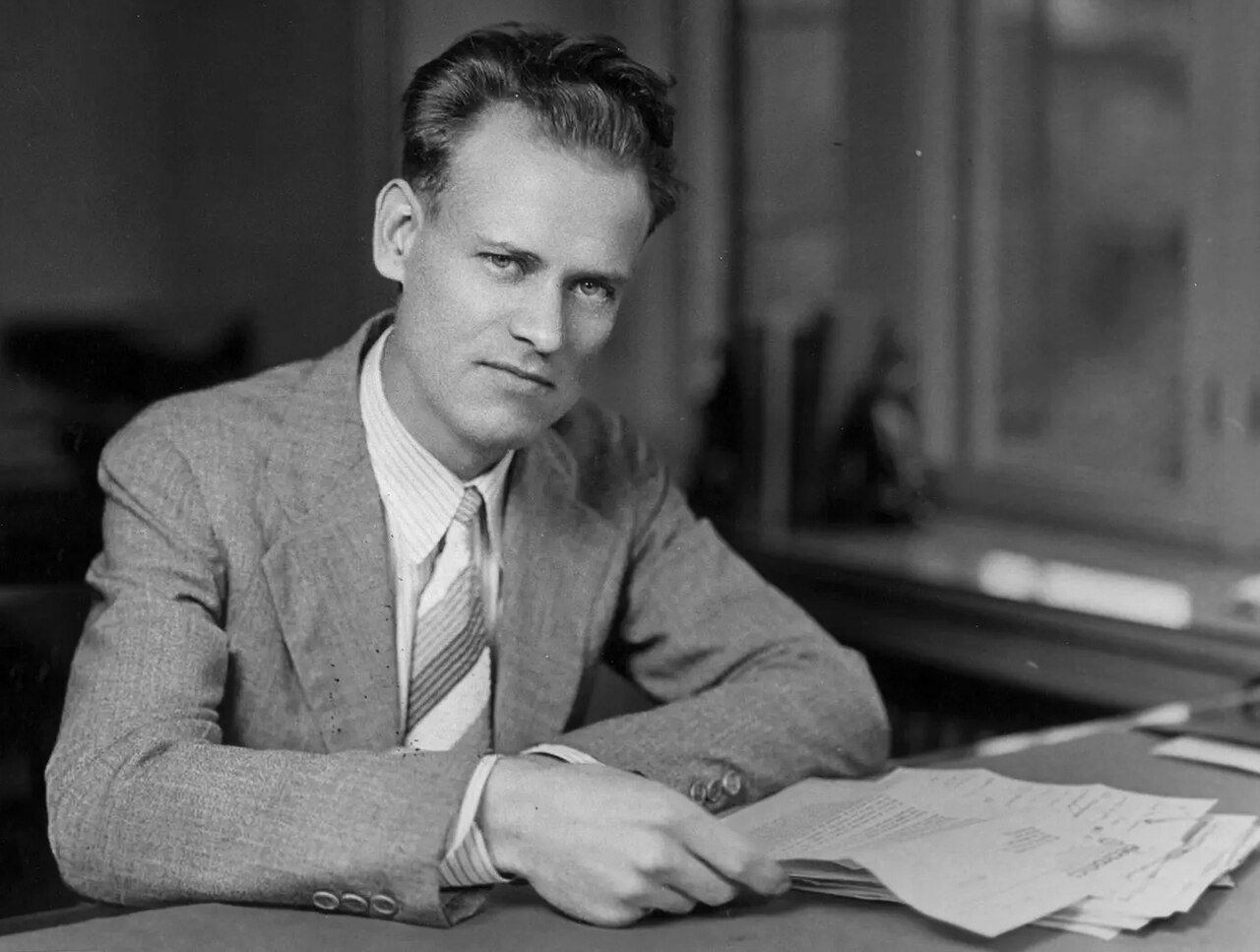
Philo Farnsworth
From Rural Roots to a Vision of the Electronic Age
Philo Taylor Farnsworth, born August 19, 1906, in Milford, Utah, emerged as a pivotal figure in 20th-century technological advancement. Growing up on a farm, his early exposure to electricity and mechanical devices ignited a profound interest in innovation. By the age of 15, Farnsworth had conceived the fundamental principles of an all-electronic television system, a radical departure from the mechanical systems then being explored.
His detailed diagrams and theoretical framework, developed while still a student, laid the intellectual foundation for what would become a global phenomenon. This prescient vision was not merely a fleeting idea; it was a meticulously planned blueprint for a new era of visual communication. His relentless pursuit of this vision led him to secure the first patent for an electronic television system, a landmark achievement that solidified his place in history.
The Technical Breakthroughs Behind the Screen
Farnsworth's genius lay in his ability to translate complex theoretical concepts into practical, functional technology. The cornerstone of his invention was the 'image dissector' camera tube, a device capable of scanning an image and converting it into an electronic signal with unprecedented speed and fidelity. This was a critical innovation that enabled the transmission of moving images electronically, overcoming the limitations of earlier mechanical scanning methods.
By 1928, he had successfully demonstrated a complete, working electronic television system, comprising both a camera and a receiver. This demonstration marked a significant milestone, proving the viability of his technology. He further commercialized his invention through the Farnsworth Television and Radio Corporation, which produced and sold television sets from 1938 to 1951, bringing his revolutionary technology into households and establishing the foundation for the modern broadcasting industry.
Transforming Society
The advent of television, spearheaded by Farnsworth's innovations, irrevocably altered the fabric of global society. It democratized access to information and entertainment, enabling instantaneous visual communication across vast distances. Television became a primary medium for news dissemination, cultural exchange, political discourse, and artistic expression, profoundly influencing public opinion and shaping collective experiences.
Beyond his monumental contribution to television, Farnsworth's inventive spirit continued to flourish. He amassed over 300 patents throughout his career, demonstrating a remarkable versatility across various technological domains. In his later years, he turned his attention to the challenging field of nuclear fusion, developing the Farnsworth Fusor, a device that utilized inertial electrostatic confinement.
While not a practical energy generator, the Fusor remains a significant contribution to fusion research and has inspired subsequent experimental approaches.
A Lasting Legacy of Innovation and Scientific Inquiry
Philo Farnsworth's life, which concluded on March 11, 1971, stands as a powerful testament to the impact of individual ingenuity and persistent scientific inquiry. Celebrated as the 'father of television,' his legacy extends far beyond the invention itself, encompassing a spirit of relentless exploration and a commitment to pushing the boundaries of human knowledge. His work laid the groundwork for the entire broadcast industry and continues to influence the development of visual communication technologies.
The Farnsworth Fusor, a testament to his forward-thinking approach, continues to be a subject of study in fusion energy research, highlighting the enduring relevance of his scientific endeavors. Farnsworth's story serves as an enduring inspiration, underscoring the transformative power of a single, visionary mind to reshape the world.
Go deeper
Frequently Asked Questions
What did Philo Farnsworth invent?+
When did Farnsworth first show his television?+
Why is Farnsworth called the "Wizard of Television"?+
What else did Farnsworth create besides TV?+
How did television change the world?+
Based on content from Wikipedia · Licensed under CC BY-SA 4.0