

Personal Protective Equipment: Your Awesome Safety Gear!
Images

Personal protective equipment




The Multifaceted Role of Personal Protective Equipment
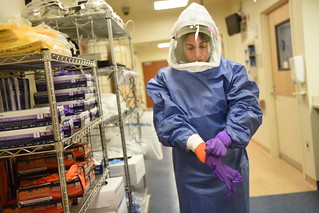
Personal Protective Equipment (PPE) represents a critical layer of defense against a spectrum of occupational and environmental hazards. It encompasses a broad range of gear, from simple gloves and eye protection to complex full-body suits and self-contained breathing apparatus. The fundamental purpose of PPE is to create a physical barrier between the wearer and potential dangers, thereby preventing injuries, illnesses, and fatalities.
Its application spans virtually every industry, including healthcare, manufacturing, construction, agriculture, and emergency services. The selection, use, and maintenance of PPE are governed by stringent regulations and standards designed to ensure maximum effectiveness. Understanding the specific risks associated with a task or environment is paramount to choosing the appropriate PPE, as using the wrong type can be as dangerous as using none at all.
Evolution of Protective Gear
The concept of personal protection dates back to antiquity, with early humans using animal hides and rudimentary armor for defense. The development of metallurgy allowed for more robust protection, exemplified by the elaborate armor worn by soldiers and knights throughout history. These early forms, while effective against blunt force and piercing weapons, were often cumbersome and offered limited protection against environmental factors or chemical agents.
The advent of the Industrial Revolution brought about new, often unseen, hazards. This spurred innovation in protective gear, leading to the development of items like safety goggles and, crucially, the hard hat in the early 20th century, which dramatically reduced head trauma in construction and mining. Modern PPE leverages advanced materials science, incorporating composites, specialized polymers, and nanotechnology to offer enhanced protection against heat, chemicals, radiation, and biological agents, often while improving comfort and mobility.
The Scientific Principles Underpinning PPE Efficacy
The effectiveness of PPE is rooted in applied physics, chemistry, and material science. For instance, impact-resistant lenses in safety glasses utilize materials like polycarbonate, which can absorb and dissipate energy from projectiles. Chemical-resistant gloves are made from specific polymers (e.g., nitrile, neoprene, butyl rubber) chosen for their ability to resist permeation by particular solvents, acids, or bases.
Respiratory protection involves sophisticated filtration mechanisms, ranging from simple particulate filters that trap microscopic solids to complex chemical cartridges that neutralize hazardous gases and vapors. Thermal protective clothing uses layered materials that trap air for insulation or incorporate reflective surfaces to deflect radiant heat. The design also considers ergonomics and human factors to ensure the PPE is worn correctly and consistently, as improper fit or discomfort can lead to non-compliance and increased risk.
Diverse Applications
The spectrum of PPE applications is vast and highly specialized. In healthcare, PPE such as surgical masks, gowns, and gloves are essential for preventing the transmission of infectious diseases, a role that became acutely evident during global pandemics. In laboratories, scientists use fume hoods, specialized gloves, and eye protection to handle volatile chemicals and biological samples safely.
Firefighters rely on multilayered suits made of fire-resistant materials like Nomex, along with self-contained breathing apparatus (SCBA) to operate in extreme heat and smoke-filled environments. Welders use auto-darkening helmets to protect their vision from intense UV and infrared radiation. Even in recreational activities, helmets, pads, and specialized footwear serve as crucial PPE to prevent injuries.
Each application demands a careful assessment of the specific hazards and the corresponding protective capabilities required.
Mitigating Risk
Beyond individual safety, PPE plays a significant role in public health and economic stability. By preventing injuries and illnesses, PPE reduces healthcare costs, minimizes lost workdays, and ensures the continuity of essential services. The implementation of effective PPE programs is often mandated by regulatory bodies like OSHA (Occupational Safety and Health Administration) in the United States, which sets standards for hazard assessment and PPE selection.
The economic impact is substantial; industries that rely on hazardous work can operate more efficiently and sustainably when worker safety is prioritized through appropriate PPE. Furthermore, advancements in PPE technology can enable workers to perform tasks that were previously considered too dangerous, opening up new possibilities in fields like deep-sea exploration or advanced manufacturing. Ultimately, PPE is not just about personal protection; it's an integral component of responsible industrial practice and societal well-being.
See also
Based on content from Wikipedia · Licensed under CC BY-SA 4.0