

Infection: The Tiny Invaders!
Images

Infection


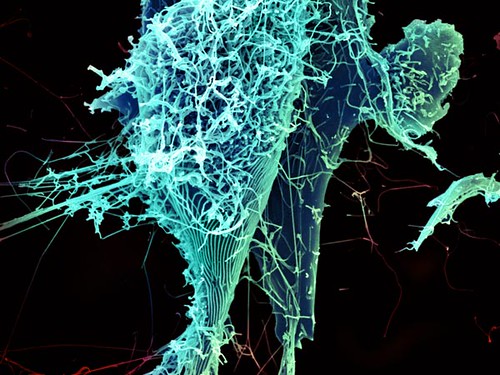
The Intricate Dance of Pathogenesis and Host Response
Infection is a dynamic process involving the interaction between a host organism and a pathogenic microorganism. Pathogens employ diverse strategies to invade, adhere to, and colonize host tissues. This can involve enzymatic degradation of host barriers, molecular mimicry to evade immune detection, or the production of toxins that damage host cells.
Once established, pathogens replicate, potentially overwhelming host defenses. The host's immune system mounts a multi-layered response, beginning with innate immunity (inflammation, phagocytosis) and progressing to adaptive immunity (T cells, B cells, antibodies). This battle can result in asymptomatic colonization, acute illness, chronic disease, or even host death.
Understanding the specific virulence factors of a pathogen and the host's susceptibility is crucial for predicting disease outcome and developing targeted therapies.
From Miasma to Microbes
Humanity's struggle with infectious diseases predates recorded history, shaping civilizations and driving population dynamics. Early explanations often invoked supernatural or environmental factors, such as the 'miasma' theory of bad air. The scientific revolution, particularly the development of microscopy, marked a turning point. Antonie van Leeuwenhoek's observations of 'animalcules' laid the groundwork.
The late 19th century, the 'golden age of microbiology,' saw pioneers like Louis Pasteur and Robert Koch establish the germ theory of disease. Their meticulous work identified specific microbial agents for diseases like anthrax, tuberculosis, and cholera, leading to revolutionary advancements in hygiene, sanitation, and the development of vaccines and antiseptics, fundamentally altering the course of human health.
The Enduring Significance of Infection Control in Public Health
Infectious diseases remain a paramount challenge to global public health, despite significant medical advancements. They disproportionately affect vulnerable populations and can rapidly spread across borders, as demonstrated by recent pandemics. Effective infection control strategies are therefore essential.
These include robust public health surveillance systems to detect outbreaks early, widespread vaccination programs to achieve herd immunity, promotion of hygiene practices, and responsible use of antimicrobial agents to combat resistance. The emergence of novel pathogens and the rise of antimicrobial resistance necessitate continuous research, innovation, and international cooperation to safeguard human health.
Mechanisms of Microbial Invasion and Evasion
Pathogens have evolved sophisticated mechanisms to overcome host defenses. For instance, bacteria can form biofilms, protective communities that shield them from immune cells and antibiotics. Viruses utilize specific surface proteins to bind to host cell receptors, facilitating entry.
Some pathogens can manipulate host cell machinery for their own replication or actively suppress immune responses. For example, certain bacteria produce toxins that disrupt cellular functions, while some viruses can interfere with antigen presentation, making them invisible to T cells. Understanding these molecular interactions is key to developing novel therapeutic interventions that can specifically target pathogen mechanisms without harming host cells.
Case Studies
The spectrum of infectious diseases is vast. Bacterial infections, such as tuberculosis (caused by Mycobacterium tuberculosis) and sepsis, can be life-threatening and require potent antibiotic therapy. Viral infections, like HIV/AIDS, target the immune system itself, leading to immunodeficiency.
Fungal infections, particularly in immunocompromised individuals, can cause severe systemic disease. Parasitic infections, such as malaria (caused by Plasmodium falciparum), continue to devastate tropical regions. Each disease presents unique challenges in diagnosis, treatment, and prevention, highlighting the need for specialized approaches and ongoing research into novel therapeutic targets and diagnostic tools.
Go deeper
Frequently Asked Questions
What are germs and how do they make us sick?+
How does our body fight back against germs?+
Why do some infections feel mild while others are very serious?+
How did scientists learn that germs cause disease?+
What can we do to stop infections from spreading?+
Based on content from Wikipedia · Licensed under CC BY-SA 4.0