

Parking: Where Cars Take a Break!
Images
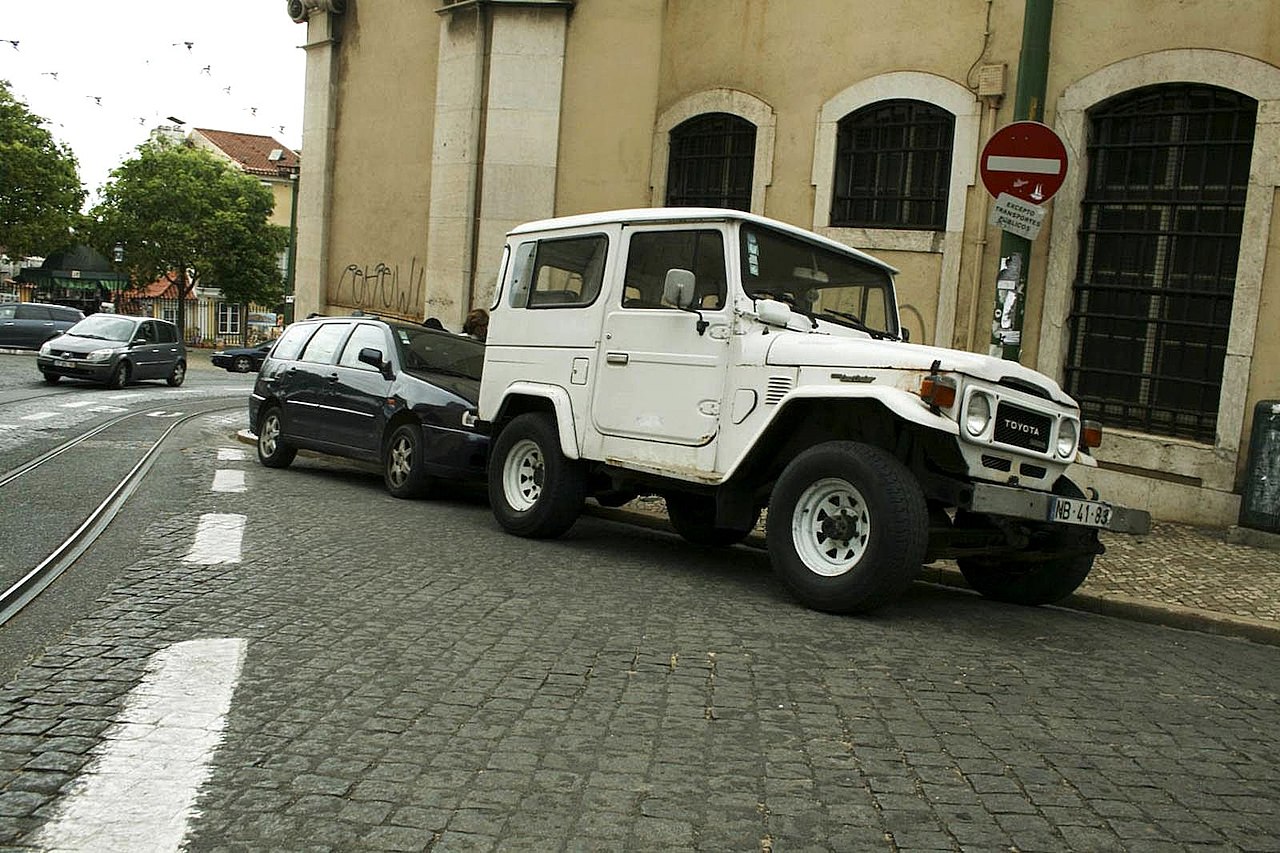
Parking
The Foundational Role of Parking in Urban Mobility
Parking is far more than a simple convenience; it is a fundamental element of urban infrastructure that profoundly influences mobility patterns, land use, and economic activity. The availability, cost, and design of parking facilities directly shape commuting choices, the viability of businesses, and the overall livability of a city. Inadequate or poorly managed parking can lead to significant traffic congestion, increased air pollution from circling vehicles, and reduced accessibility for pedestrians and cyclists.
Conversely, well-planned parking strategies, often integrated with public transportation, can encourage modal shifts and optimize urban space. The economic implications are substantial, with parking fees contributing to municipal revenue and the value of adjacent real estate being heavily influenced by parking availability. Understanding parking is therefore essential for effective urban planning and sustainable transportation policy.
Historical Trajectory
The evolution of parking mirrors the rise of the automobile and the subsequent transformation of urban landscapes. In the early 20th century, as automobiles became more common, street parking was the primary method, often unregulated. The burgeoning car population soon necessitated dedicated spaces, leading to the development of surface parking lots.
These vast expanses of asphalt, while functional, consumed valuable urban land that could have been used for housing, commerce, or green spaces. The pressure to accommodate more vehicles within limited urban footprints drove innovation, culminating in the construction of multi-story parking garages. These structures, employing reinforced concrete and sophisticated structural engineering, represent a significant investment in vertical storage, maximizing parking capacity on a minimal ground footprint and becoming iconic features of many city centers.
Methodologies and Maneuvers
The act of parking encompasses a range of techniques, each requiring different driver skills and spatial awareness. Perpendicular parking, where a vehicle enters a space at a 90-degree angle, is common in parking lots for its relative ease of entry and exit. Angled parking, often found in commercial areas, offers even quicker entry and exit but can sometimes impede traffic flow.
Parallel parking, arguably the most challenging maneuver, involves aligning a vehicle parallel to the curb between two other parked cars. This technique demands precise steering, throttle control, and spatial judgment, often serving as a benchmark for driving proficiency. Beyond these manual methods, the advent of automated parking systems, including self-parking vehicles and robotic valet services, represents a significant technological leap, promising greater efficiency and reduced human error in parking operations.
Smart Parking
The integration of smart technologies is revolutionizing parking management and user experience. Real-time data collection through sensors embedded in parking spaces or cameras allows for dynamic management of parking inventory. Mobile applications can then guide drivers directly to available spots, significantly reducing the time spent searching, thereby decreasing fuel consumption and emissions.
Furthermore, smart parking systems can facilitate dynamic pricing, adjusting rates based on demand to encourage turnover and optimize utilization. Looking ahead, concepts like integrated mobility hubs, where parking facilities are seamlessly connected to public transit, ride-sharing services, and electric vehicle charging infrastructure, point towards a future where parking is not an isolated problem but a connected solution within a broader sustainable urban ecosystem.
The Socio-Economic and Environmental Dimensions of Parking Policy
Parking policies are powerful tools that can shape urban development and influence environmental outcomes. The cost of parking, whether through meters, permits, or garage fees, can act as a disincentive for driving, encouraging the use of alternative transportation modes. Conversely, excessively cheap or free parking can subsidize driving, exacerbating congestion and environmental issues.
Urban planners grapple with balancing the demand for parking with the goals of creating more pedestrian-friendly, transit-oriented, and environmentally sustainable cities. Debates often arise regarding the allocation of public space: should it prioritize moving vehicles, storing vehicles, or accommodating people? The answers to these questions, reflected in parking regulations and infrastructure investments, have long-lasting socio-economic and environmental consequences for communities.
Go deeper
Based on content from Wikipedia · Licensed under CC BY-SA 4.0