

Parc Monceau
Images

Parc Monceau 20060812 33






The Genesis of an Arcadian Dream
Parc Monceau, conceived in the late 1770s by Louis Carrogis Carmontelle for Philippe d'Orléans, Duke of Chartres, was a pioneering example of the 'jardin pittoresque' or picturesque garden style. Unlike the rigid formality of French formal gardens, Monceau embraced an idealized, naturalistic aesthetic inspired by English landscape gardens. Carmontelle's vision was to create a series of 'tableaux' or scenes, designed to surprise and delight the visitor.
This was achieved through a deliberate arrangement of winding paths, varied topography, and the strategic placement of exotic trees and architectural follies. The park was intended as a private retreat, a fantastical realm where artifice and nature intertwined to evoke a sense of wonder and escapism. The Duke's intention was to create a space that was both aesthetically pleasing and intellectually stimulating, reflecting the Enlightenment ideals of the era.
Architectural Curiosities and Cultural Narratives
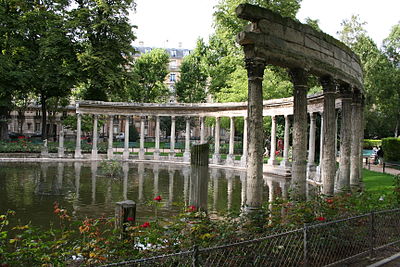
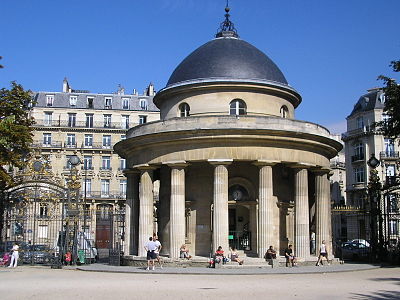
The defining characteristic of Parc Monceau lies in its eclectic collection of architectural follies, which were far more than mere decorative elements. These structures, including a miniature Egyptian pyramid, a Roman colonnade, a Greek temple, and a Dutch windmill, served to transport visitors through time and across continents. This deliberate eclecticism was a hallmark of the picturesque garden, aiming to stimulate the imagination and create a sense of historical and geographical breadth.
The inclusion of these diverse architectural styles also reflected the burgeoning interest in archaeology and the exotic during the late 18th century. These follies were not just visual spectacles; they were intended to provoke contemplation and conversation, turning the garden into a living museum of global cultures and historical periods.
From Aristocratic Playground to Public Sanctuary
The transformation of Parc Monceau from a private aristocratic garden to a public park in the mid-19th century marked a significant shift in its role and accessibility. Initially, access was restricted, but as Paris underwent urban development, the park was acquired by the city and opened to the public. This democratization of space allowed a wider population to experience its unique charm.
The park's enduring appeal lies in its ability to offer a tranquil respite from the urban environment. It serves as a vital green lung, providing ecological benefits and a space for recreation and social interaction. The park's continued popularity underscores the importance of preserving such historical landscapes within rapidly developing cities, offering a connection to the past and a sanctuary for the present.
The Enduring Legacy of a Picturesque Landscape
Parc Monceau's significance extends beyond its aesthetic appeal; it represents a crucial phase in the evolution of landscape architecture. Its picturesque design principles, with its emphasis on naturalism, surprise, and the integration of art and nature, influenced subsequent garden designs. The park's ability to blend historical references with natural beauty has ensured its timeless relevance.
Today, it continues to be a cherished destination for Parisians and tourists alike, offering a unique blend of historical context, artistic expression, and natural serenity. The park's survival and continued appreciation highlight the value of preserving such historically and culturally rich urban green spaces for future generations.
See also
Frequently Asked Questions
What is Parc Monceau?+
Why does Parc Monceau have a miniature Egyptian pyramid and a Dutch windmill?+
How did Parc Monceau become a public park?+
Where can I see the winding paths and exotic trees in Parc Monceau?+
When was Parc Monceau first created?+
Based on content from Wikipedia · Licensed under CC BY-SA 4.0