

Palin: The Awesome Mapuche Stick Game!
Images
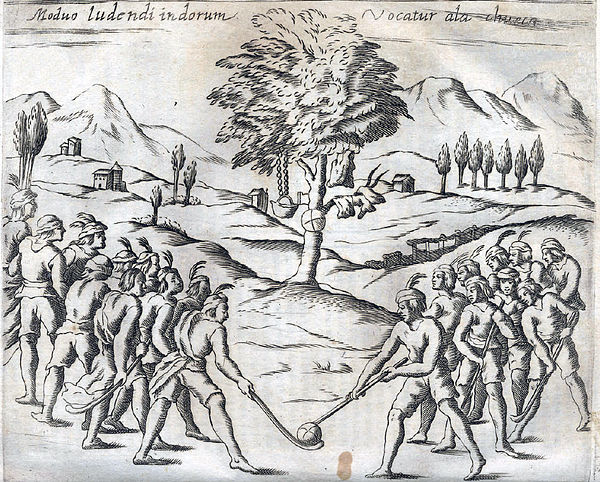
Palin (game)
The Enduring Legacy of Palin
Palin stands as a remarkable testament to the cultural endurance of the Mapuche people, an indigenous group from South America. This traditional team ball sport, played with sticks, is not merely a recreational activity but a vital link to their ancestral heritage. Its most striking characteristic is its status as the sole pre-Columbian Mapuche game that has successfully transitioned into the modern era.
This longevity is extraordinary, especially considering the profound societal shifts and cultural impositions that occurred following the arrival of European colonizers. The Spanish conquistadors, upon encountering Palin, recognized its strategic and athletic demands, likening it to their own game 'chueca' and thus bestowing upon it a new, albeit temporary, moniker. However, the true essence and identity of the game reside in its original Mapuche name, Palin, a name that continues to resonate with cultural pride and historical continuity.
The game's survival underscores the deep-seated importance of traditional practices in maintaining cultural identity and community cohesion across generations.
Gameplay Dynamics
The fundamental objective of Palin is to score by maneuvering a ball into the opponent's goal, a feat achieved exclusively through the skillful manipulation of specialized sticks. A core tenet of the game is the strict prohibition of using hands to control the ball, a rule that elevates the importance of stick-handling prowess, strategic passing, and precise ball control. This constraint necessitates a high degree of coordination and communication between teammates, fostering a dynamic interplay of offense and defense.
Teams must develop sophisticated strategies to outmaneuver their opponents, anticipating movements and executing intricate plays. The game demands not only physical agility and stamina but also sharp tactical thinking and an understanding of spatial dynamics. The continuous flow of action, the ebb and flow of possession, and the constant threat of a scoring opportunity make Palin a captivating sport that requires both athletic prowess and intellectual engagement, reflecting a rich tradition of strategic play.
Historical Trajectory
The historical roots of Palin are deeply embedded in the pre-Columbian era of South America, predating European contact by centuries. Its journey through time is a narrative of cultural resilience and adaptation. The Spanish encounter with Palin, leading to its renaming as 'chueca,' offers a compelling case study in cultural exchange and the imposition of foreign nomenclature.
Despite this external influence, the game persisted, retaining its fundamental structure and spirit. The fact that Palin is the only surviving Mapuche game from this ancient period highlights its profound cultural significance and the active efforts made by the Mapuche people to preserve their traditions. It serves as a living artifact, providing invaluable insights into the social structures, recreational practices, and worldview of the Mapuche people throughout history, and continues to be a vibrant expression of their identity.
The Multifaceted Significance of Palin in Contemporary Society
In the contemporary landscape, Palin's importance extends far beyond its athletic dimensions; it functions as a powerful emblem of cultural preservation and social cohesion. It acts as a crucial conduit, connecting contemporary Mapuche individuals and communities with their ancestral lineage and a rich tapestry of cultural heritage. The game cultivates a robust sense of identity and belonging, serving as a focal point for intergenerational gatherings, fostering community spirit through spirited competition and shared celebration.
In an era characterized by rapid globalization and cultural homogenization, Palin offers a tangible anchor to tradition, reinforcing the values and narratives passed down through generations. Its continued practice is instrumental in ensuring that the historical narratives, unique skills, and enduring spirit of the Mapuche people are not only remembered but actively celebrated and transmitted to future generations, thereby safeguarding a vital piece of human cultural heritage.
See also
Frequently Asked Questions
What is Palin and why is it special?+
How do people score a goal in Palin?+
Why did the Spanish call Palin “chueca” and what happened?+
What skills do players need to play Palin?+
Why is Palin important to the Mapuche people?+
Based on content from Wikipedia · Licensed under CC BY-SA 4.0