

Cave
Images
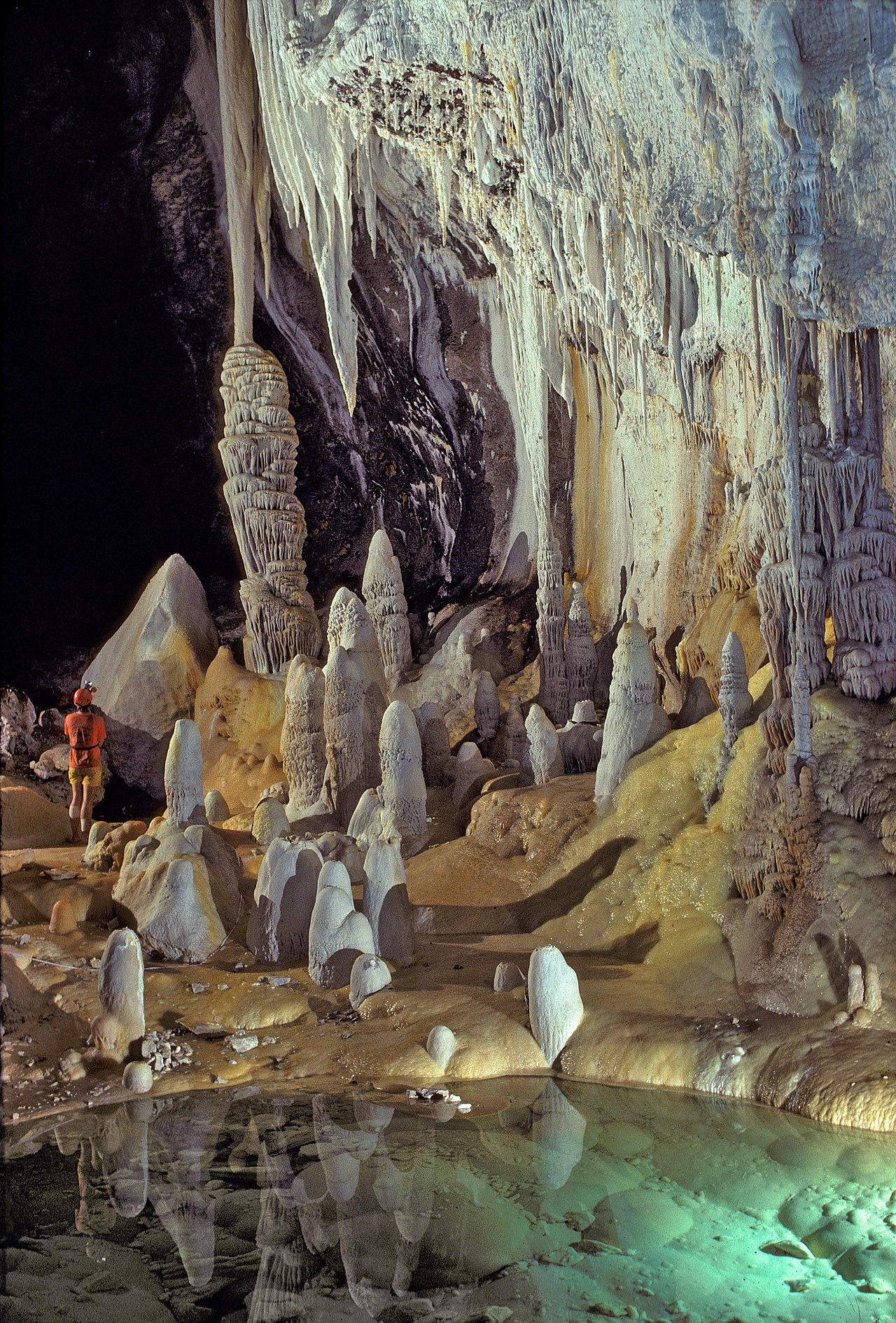
Cave


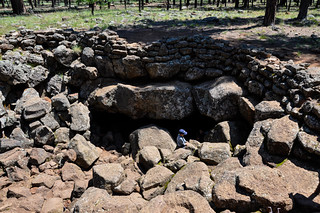

Geomorphological Genesis of Subterranean Voids
Caves, or natural voids within the Earth's crust, are primarily products of geological processes, most commonly dissolutional weathering. Karst topography, characterized by soluble rocks like limestone, dolomite, and gypsum, is particularly conducive to cave formation. Groundwater, slightly acidic due to dissolved carbon dioxide from the atmosphere and soil, percolates through rock fractures. This acidic water slowly dissolves the rock along bedding planes and joints, gradually enlarging these openings over millennia.
The rate of dissolution is influenced by factors such as rock solubility, water chemistry, flow rate, and temperature. Exogene caves, such as rock shelters and sea caves, form through surface processes like erosion and abrasion, typically extending only a short distance underground. In contrast, endogene caves, like lava tubes or volcanic caves, are formed by volcanic activity, where molten rock flows create hollow conduits that solidify as the lava recedes.
These subterranean environments represent dynamic geological systems, constantly evolving through ongoing dissolution, deposition of minerals (speleothems), and collapse.
Paleoenvironmental Archives and Human Habitation
Caves have served as invaluable natural shelters for hominids and early humans for hundreds of thousands of years, offering protection from predators, extreme weather, and providing stable microclimates. The archaeological record within caves is exceptionally well-preserved due to the consistent temperature and humidity, and the lack of significant disturbance. Artifacts, faunal remains, and hominin fossils found in cave deposits provide critical data for reconstructing past human behavior, diet, technology, and migration patterns.
Furthermore, cave formations like stalagmites and stalactites can act as paleoenvironmental archives. By analyzing their isotopic composition and growth layers, scientists can reconstruct past climate conditions, including temperature, precipitation, and atmospheric composition, offering insights into long-term climatic cycles and environmental changes that predate instrumental records.
An Interdisciplinary Scientific Pursuit
Speleology, the comprehensive study of caves, is inherently interdisciplinary, drawing upon geology, hydrology, biology, archaeology, and climatology. Speleologists engage in systematic exploration, mapping, and scientific investigation of cave systems. This involves understanding the hydrological cycles that shape caves, the unique ecosystems that have adapted to aphotic (lightless) and oligotrophic (low nutrient) conditions, and the geological history recorded within their formations.
The exploration of caves, often referred to as caving, potholing, or spelunking, requires specialized skills and equipment to navigate complex and potentially hazardous environments. Research within caves contributes to our understanding of groundwater resources, biodiversity, and the geological evolution of landscapes. The study of cave life, known as troglobitic biology, reveals fascinating adaptations to perpetual darkness and scarcity.
Extraterrestrial Cave Analogues and Astrobiological Potential
The existence of caves on Earth has profound implications for the search for life beyond our planet. Features resembling caves, such as lava tubes, have been identified on other rocky celestial bodies, notably Mars and the Moon. These subterranean voids offer potential refuges from harsh surface conditions, including extreme temperature fluctuations, solar and cosmic radiation, and micrometeoroid impacts.
For future human exploration and potential colonization, caves could provide natural habitats offering shielding and stable environments. Furthermore, the subsurface environments within these extraterrestrial caves are considered prime targets for astrobiological research. If life exists or has existed on these worlds, it may have retreated to subsurface refuges, analogous to Earth's deep biosphere or cave ecosystems.
Studying Earth's caves, particularly those with unique chemical environments or microbial communities, helps scientists develop strategies and technologies for detecting biosignatures in similar extraterrestrial settings.
Go deeper
Frequently Asked Questions
What is a cave?+
How do caves form?+
Why do caves have stalactites and stalagmites?+
Where have people used caves?+
What can scientists learn from caves?+
Based on content from Wikipedia · Licensed under CC BY-SA 4.0