

Ozone depletion
Images
Ozone depletion
The Chemistry of Stratospheric Ozone Destruction
Ozone depletion is fundamentally a chemical process occurring in the stratosphere, primarily driven by anthropogenic emissions of halogenated compounds. These substances, notably chlorofluorocarbons (CFCs) and halons, are exceptionally stable in the lower atmosphere, allowing them to persist and ascend into the stratosphere over years. Once in the stratosphere, intense solar ultraviolet (UV) radiation (specifically UV-C wavelengths) initiates photodissociation, breaking the carbon-halogen bonds.
This releases highly reactive halogen atoms, such as chlorine (Cl) and bromine (Br). These atoms then act as catalysts in a destructive cycle. For instance, a single chlorine atom can repeatedly destroy ozone molecules (O3) by reacting with them to form chlorine monoxide (ClO) and oxygen (O2).
The ClO then reacts with a free oxygen atom (O) to regenerate the chlorine atom and form another O2 molecule. This catalytic cycle means that a minuscule amount of halogen can destroy a vast quantity of ozone. The overall reaction is O3 + O → 2O2, with the halogen atom acting as a catalyst.
The rate of depletion is amplified in polar regions due to unique meteorological conditions, particularly the formation of polar stratospheric clouds (PSCs) during winter, which facilitate reactions that convert less reactive forms of halogens into more reactive ones, leading to rapid ozone destruction when sunlight returns in spring.
Ecological and Health Ramifications of a Thinner Shield
The stratospheric ozone layer's primary function is to absorb harmful ultraviolet-B (UVB) radiation, a critical protective mechanism for life on Earth. As ozone concentrations decrease, more UVB radiation penetrates the atmosphere, leading to a cascade of negative consequences. For humans, increased UVB exposure is directly linked to a higher incidence of non-melanoma skin cancers, malignant melanoma, and ocular cataracts.
Beyond human health, ecosystems are profoundly affected. Phytoplankton, the microscopic marine plants forming the base of oceanic food webs, are particularly sensitive to increased UVB, potentially leading to reduced productivity and disruptions in marine ecosystems. Terrestrial plant life can also suffer, with reduced growth, altered flowering times, and damage to DNA. The cumulative impact poses a significant threat to biodiversity and global food security, underscoring the vital role of the ozone layer in maintaining planetary health and stability.
The Montreal Protocol
The scientific discovery of ozone depletion and its potential consequences spurred unprecedented international cooperation. The Montreal Protocol on Substances that Deplete the Ozone Layer, signed in 1987 and subsequently amended, stands as a monumental achievement in global environmental policy. It established a legally binding framework for phasing out the production and consumption of major ozone-depleting substances (ODS), including CFCs, halons, carbon tetrachloride, and methyl chloroform.
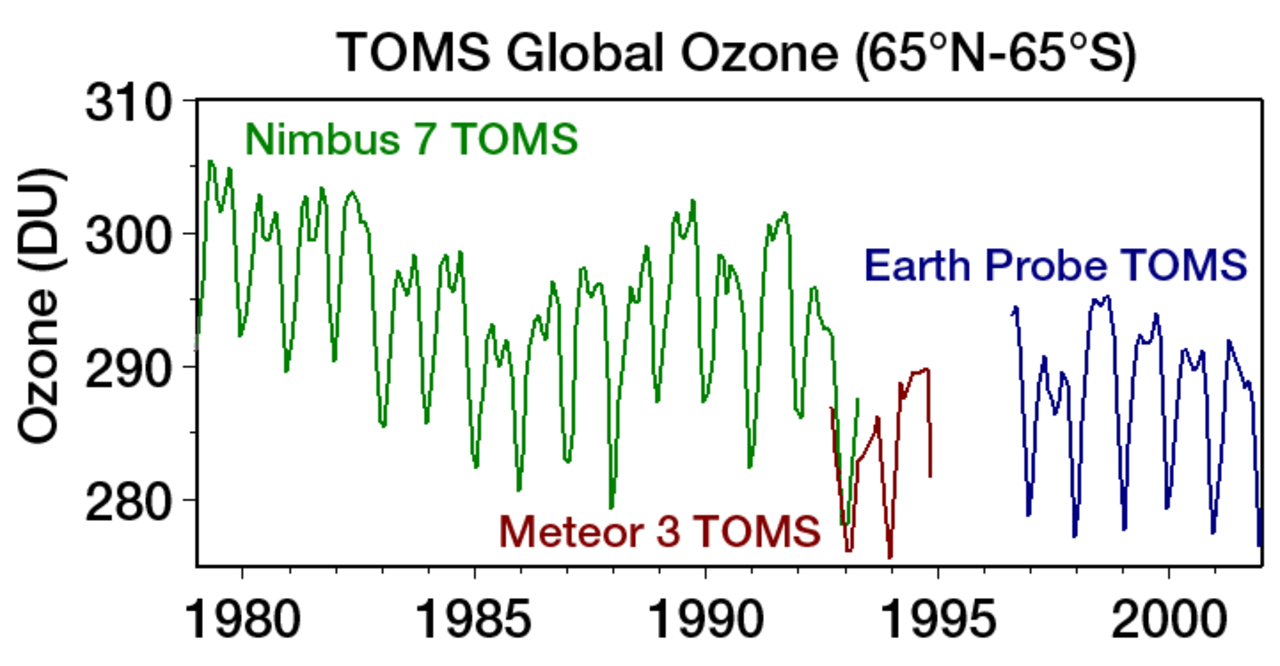
The protocol's success lies in its adaptive nature, scientific basis, and financial mechanisms (like the Multilateral Fund) that assist developing countries in transitioning to ODS alternatives. This global effort has led to a dramatic reduction in ODS emissions, stabilizing ozone levels by the mid-1990s and initiating a slow but steady recovery. The ozone hole is projected to close, and stratospheric ozone concentrations are expected to return to pre-1980 levels by the latter half of the 21st century, demonstrating the profound positive impact of collective, science-driven international action.
Contemporary Relevance and Future Outlook
While the Montreal Protocol is widely hailed as the most successful international environmental agreement, the issue of ozone depletion continues to have contemporary relevance. Ongoing monitoring by organizations like NASA and the World Meteorological Organization (WMO) tracks the ozone layer's recovery, identifying any unexpected trends or challenges. For instance, the interaction between ozone depletion and climate change is a complex area of research; while CFCs are potent greenhouse gases, their replacement chemicals may have varying global warming potentials.
Furthermore, the protocol's success has inspired efforts in other environmental arenas, serving as a blueprint for addressing global challenges like climate change, though the latter involves a far more complex set of greenhouse gases and economic considerations. The continued regeneration of the ozone layer, with projections for full recovery by mid-century, offers a powerful message of hope and a testament to humanity's capacity to address existential environmental threats through informed policy and global solidarity.
Go deeper
Frequently Asked Questions
What causes ozone depletion?+
Why is the ozone layer important?+
How does the Montreal Protocol help the ozone layer?+
What happens to plants and animals when the ozone layer thins?+
Why does ozone disappear faster near the poles?+
Based on content from Wikipedia · Licensed under CC BY-SA 4.0