

Halogen: The Salt Makers!
Images
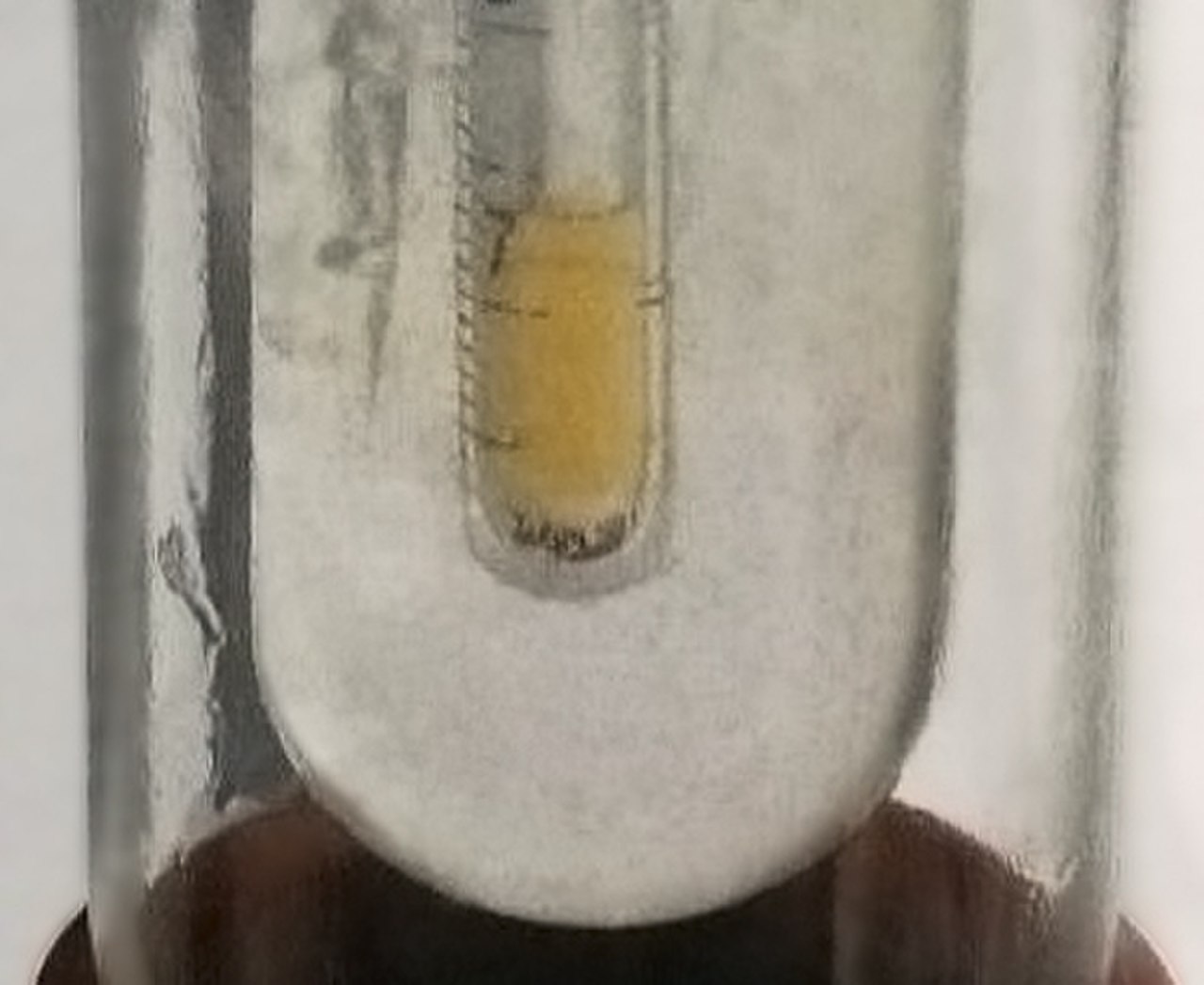
Halogen


The Halogen Family
The halogens, comprising elements from Group 17 of the periodic table (fluorine, chlorine, bromine, iodine, astatine, and tennessine), are characterized by their high electronegativity and electron affinity. This means they have a strong tendency to attract and gain an electron to achieve a stable electron configuration, typically resembling that of the noble gases. This property makes them the most reactive non-metal group.
Fluorine, being the most electronegative element, reacts vigorously with almost all other elements. Chlorine is also highly reactive and is a powerful oxidizing agent. Bromine and iodine are less reactive but still potent.
Astatine and tennessine are radioactive and their chemistry is less understood, with tennessine theoretically predicted to deviate from typical halogen behavior. Their name, 'halogen,' meaning 'salt former,' accurately reflects their propensity to react with metals to produce a vast array of ionic salts, such as sodium chloride (NaCl) and potassium iodide (KI).
A Historical Tapestry of Discovery and Application
The discovery of halogens spans several centuries. Chlorine was first isolated by Carl Wilhelm Scheele in 1774, though it was initially mistaken for a compound. Humphry Davy later proved it was an element in 1810. Iodine was discovered by Bernard Courtois in 1811, and bromine by Carl Jacob Löwig and Antoine Jérôme Balard independently in 1826.
Fluorine remained elusive for a long time due to its extreme reactivity, finally being isolated by Henri Moissan in 1886. The applications of halogens have evolved significantly. Early uses included bleaching with chlorine.
Today, chlorine and bromine are indispensable disinfectants for water treatment and sanitation, preventing the spread of waterborne diseases. Iodine's role in preventing goiter through iodized salt is a major public health success. Organobromine compounds are vital as flame retardants, enhancing fire safety in consumer products and building materials, though environmental concerns are leading to research into alternatives.
The Unique States of Matter and Acid Formation
A remarkable characteristic of the halogens is their presence in all three common states of matter at standard temperature and pressure. Fluorine and chlorine exist as diatomic gases (F₂, Cl₂), appearing as pale yellow and greenish-yellow, respectively. Bromine is a volatile, reddish-brown liquid (Br₂), which readily produces fumes. Iodine is a lustrous, purplish-black solid (I₂) that sublimes to form a violet vapor.
This physical diversity is a direct consequence of the increasing molecular weight and van der Waals forces down the group. Furthermore, all halogens readily form acids when bonded with hydrogen, creating hydrohalic acids (HF, HCl, HBr, HI). These acids have varying strengths and are important in industrial processes and chemical research.
This range of physical properties and chemical behaviors makes the halogens a cornerstone of inorganic chemistry.
Modern Relevance and Environmental Considerations
Halogens continue to be critical in modern technology and industry. Fluorine chemistry is essential for producing advanced materials like Teflon (polytetrafluoroethylene), refrigerants, and pharmaceuticals. The development of organohalogen compounds has led to effective pesticides and solvents, although many of these have been phased out due to environmental persistence and toxicity, such as DDT and certain chlorofluorocarbons (CFCs) that depleted the ozone layer.
The use of bromine compounds as flame retardants is widespread, but concerns about their bioaccumulation and potential health effects are driving research into halogen-free alternatives. Understanding the complex interplay between the beneficial applications of halogens and their potential environmental and health impacts is crucial for sustainable chemical development and regulation.
Go deeper
Based on content from Wikipedia · Licensed under CC BY-SA 4.0