

Ontogeny: Your Amazing Life Story!
Images
Ontogeny


Defining Ontogeny
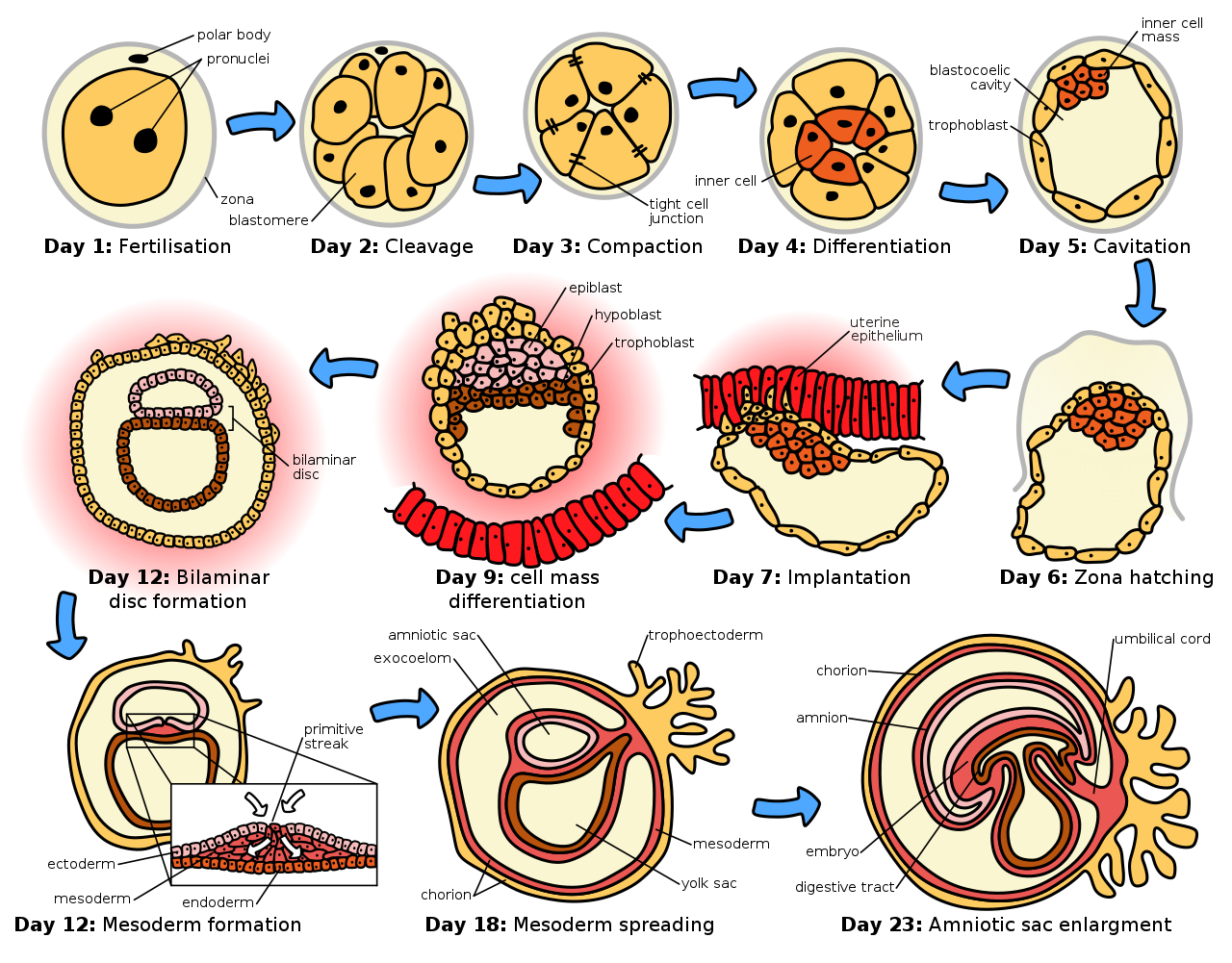
Ontogeny encompasses the entire developmental trajectory of an individual organism, from its very inception as a zygote (formed by the fusion of gametes) through embryonic and fetal development, post-natal growth, maturation, and ultimately, senescence and death. It is a fundamental concept in biology, representing the manifestation of an organism's genotype within its specific environment. This developmental process is characterized by a series of precisely regulated stages, involving cell division, differentiation, morphogenesis, and growth.
Understanding ontogeny is crucial for comprehending the life cycle, evolutionary history, and ecological interactions of any given species. It provides a framework for studying how complex biological structures and functions arise from simpler beginnings, highlighting the remarkable continuity and transformation inherent in life.
Mechanisms of Development
The unfolding of ontogeny is orchestrated by a complex interplay of genetic programming, epigenetic modifications, and environmental influences. Genes provide the foundational instructions, dictating the sequence of developmental events and the potential for various cell fates. However, gene expression is not static; it is dynamically regulated by epigenetic mechanisms – heritable changes in gene activity that do not involve alterations to the underlying DNA sequence.
These mechanisms, such as DNA methylation and histone modification, allow the genome to respond to developmental cues and environmental signals. Environmental factors, ranging from maternal nutrition during gestation to temperature, light, and social interactions post-birth, can profoundly influence developmental pathways, sometimes leading to phenotypic plasticity or even adaptive responses. The study of these interactions is key to understanding how organisms adapt and thrive.
Comparative Ontogeny
Comparing the ontogenetic pathways of different species offers profound insights into evolutionary history and relationships. Homologous developmental stages or processes across diverse taxa can reveal shared ancestry, even if the adult forms appear vastly different. For instance, the embryonic development of vertebrates, despite variations in larval forms and adult morphology, exhibits striking similarities in early stages, such as the formation of pharyngeal arches and a notochord.
These conserved features are powerful evidence for common descent. Conversely, the evolution of novel developmental pathways or the modification of existing ones drives the diversification of life, leading to the vast array of forms and functions observed in nature. Studying these comparative patterns helps reconstruct the tree of life and understand the evolutionary innovations that have shaped biodiversity.
Applications and Implications
The study of ontogeny has far-reaching practical applications. In medicine, understanding normal human development is essential for diagnosing and treating congenital disorders, developmental abnormalities, and age-related diseases. Research into stem cells and regenerative medicine often leverages knowledge of developmental processes to repair damaged tissues or organs. In conservation biology, knowledge of an organism's ontogeny is critical for designing effective strategies to protect endangered species.
This includes understanding their reproductive cycles, the specific environmental requirements of different life stages (e.g., larval habitats, breeding grounds), and the threats they face during development. Furthermore, insights from ontogeny contribute to fields like agriculture (improving crop yields and livestock) and evolutionary developmental biology (evo-devo), which seeks to understand how changes in developmental processes drive evolutionary innovation.
Go deeper
Frequently Asked Questions
What is ontogeny?+
How do genes and the environment work together in ontogeny?+
Why do baby animals of different species look similar in early stages?+
How does studying ontogeny help doctors?+
Can learning about ontogeny help protect animals?+
Based on content from Wikipedia · Licensed under CC BY-SA 4.0