

Onon River
Images
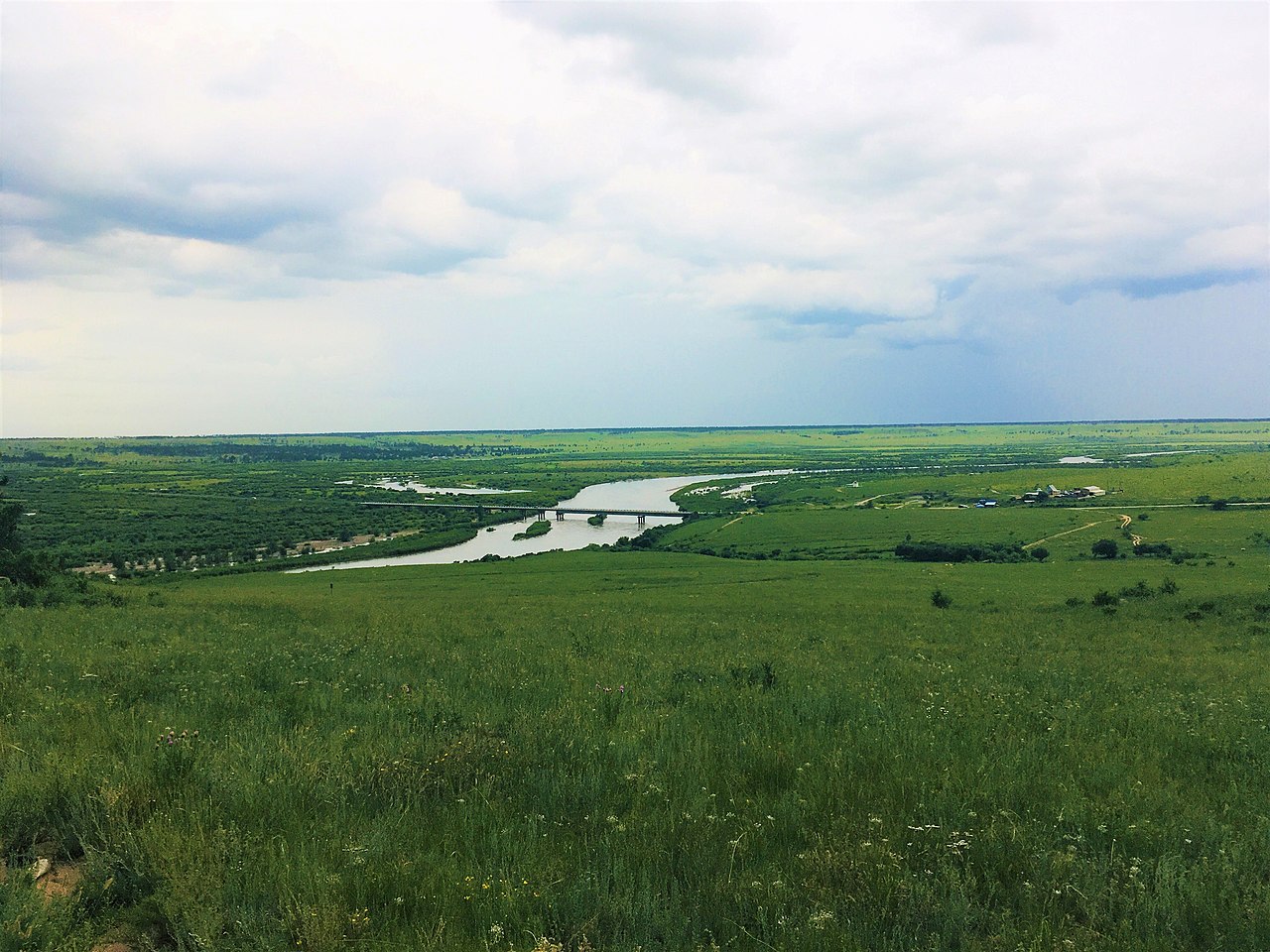
Bridge over the Onon River. Ononsky District, Trans-Baikal Territory


Geographical Genesis and Hydrological Significance
The Onon River's journey begins in the rugged Khentii Mountains, a region characterized by its alpine tundra and taiga ecosystems in Mongolia. This mountainous terrain dictates the river's initial course, characterized by steep gradients and rapid flow. As it descends into the vast Eurasian Steppe, the river's character transforms, widening and slowing as it meanders through grasslands.
The Onon is a crucial tributary within the Amur River basin, ultimately contributing its waters to the Sea of Okhotsk. The climate of the region is continental, marked by extreme temperature variations: frigid, long winters with extensive snow cover and ice formation on the river, followed by short, intense summers with significant rainfall. This hydrological regime profoundly influences the river's ecology and the surrounding landscape, supporting unique flora and fauna adapted to these challenging conditions.
The river's flow is largely snowmelt-driven, with spring floods being a significant annual event.
The Cradle of an Empire
The Onon River valley holds unparalleled historical importance as the traditional homeland of the Mongol tribes and, most notably, as the birthplace of Temüjin, later known as Genghis Khan. Archaeological evidence and historical accounts suggest that the area provided the resources and environment conducive to the development of early nomadic societies. Genghis Khan's formative years were spent in this region, where he learned the skills of horsemanship, warfare, and leadership that would enable him to unite the Mongol tribes and forge the largest contiguous empire in history.
The river and its environs were not merely a backdrop but an active participant in this historical narrative, providing sustenance, strategic advantages, and a sense of identity for the nascent Mongol nation. The legacy of this period continues to shape the cultural landscape of the region.
Cultural Tapestry
The cultural landscape along the Onon River is deeply rooted in nomadic pastoralism, a way of life that has persisted for centuries. Communities here maintain strong connections to their ancestral traditions, characterized by their mobile lifestyle, reliance on livestock (horses, sheep, goats), and a rich oral tradition of epics, songs, and folklore. The river itself is often imbued with spiritual significance, viewed as a life-giving force and an integral part of the natural world.
While modernization has brought changes, many communities strive to preserve their unique cultural heritage. Traditional practices in herding, felt-making, and horsemanship remain vital. The languages spoken, primarily Mongolian and Russian, reflect the historical and geopolitical influences on the region, with Mongolian languages dominating in Mongolia and Russian in the Russian Federation.
Economic Foundations
The economy of the Onon River basin is predominantly agrarian, with pastoralism forming the cornerstone of livelihoods for the majority of the population. The vast steppes provide essential grazing land for livestock, which are central to both subsistence and economic activity. Products such as meat, dairy, wool, and hides are traded locally and, to some extent, internationally.
The river plays a critical role in supporting this economy by providing water for livestock and irrigating small agricultural plots where crops are grown. While large-scale industrial development is limited due to the remote location and environmental considerations, there is potential for sustainable ecotourism and the development of niche agricultural products. Effective resource management, particularly concerning water and grazing lands, is crucial for the long-term economic viability and ecological health of the region.
Governance and Education
The governance of the Onon River region is divided between Mongolia and the Russian Federation, each with its own administrative structures. In Mongolia, the river flows through the Khentii Province, governed by provincial authorities. In Russia, it is part of the Zabaykalsky Krai, subject to Russian federal and regional laws.
Both nations face the challenge of balancing traditional lifestyles with modern governance and economic development. Education systems in both countries aim to provide schooling for children, though access can be challenging in remote nomadic communities. Efforts are made to integrate traditional knowledge with modern curricula, recognizing the importance of cultural preservation. Educational initiatives often focus on environmental stewardship and sustainable resource management, crucial for the future of the Onon River basin.
See also
Based on content from Wikipedia · Licensed under CC BY-SA 4.0