

Chemotherapy: Medicine's Mighty Warriors!
Images
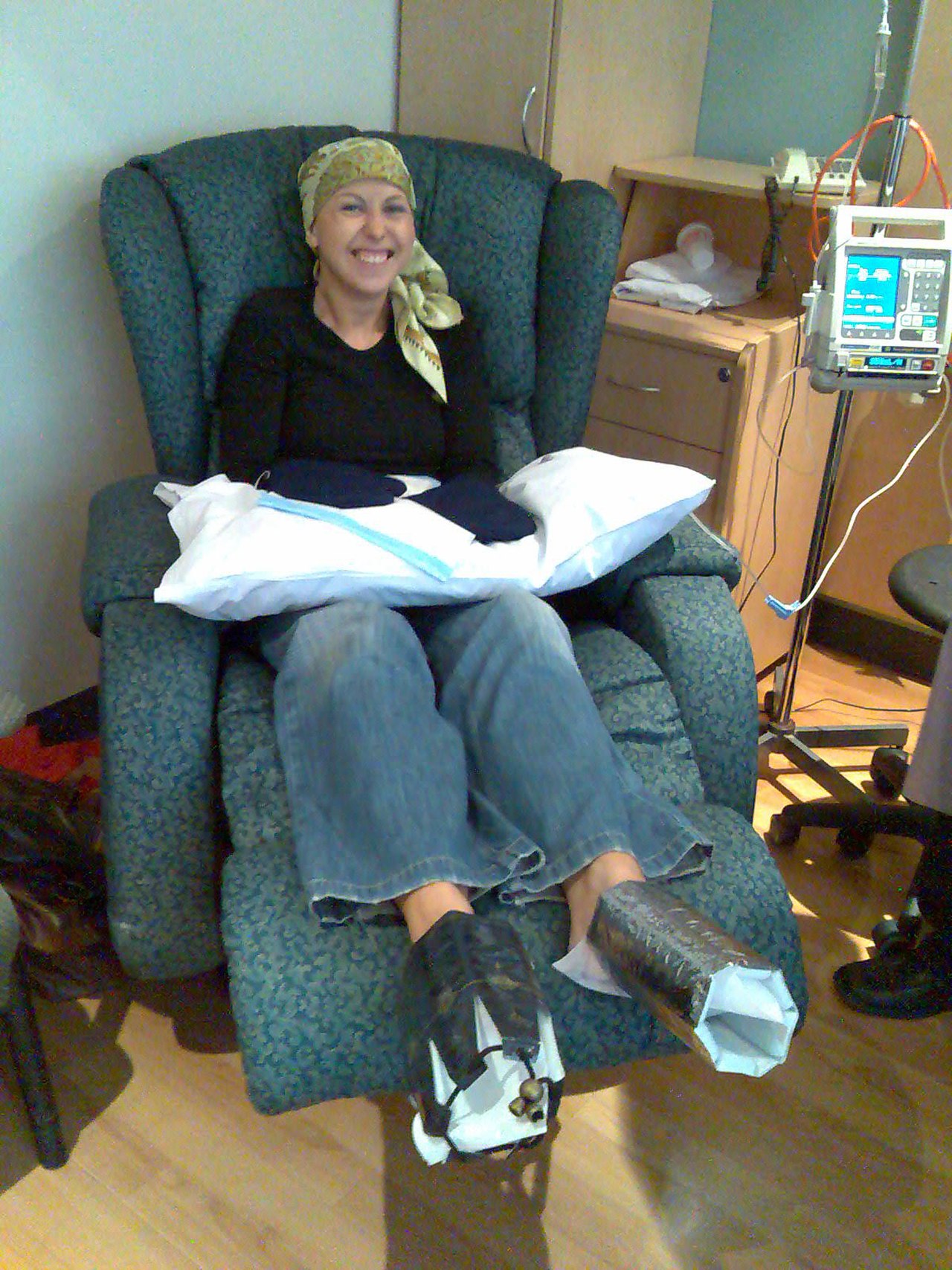
Chemotherapy
The Genesis and Evolution of Cytotoxic Agents
Chemotherapy, derived from the Greek words 'chemi' (chemical) and 'therapeia' (healing), refers to the medical use of cytotoxic drugs to treat cancer. Its origins are deeply intertwined with the study of chemical warfare agents. During World War I, observations of mustard gas casualties revealed its profound effect on rapidly dividing cells, particularly in the bone marrow and lymphatic system.
This led to the hypothesis that such compounds, when modified, could selectively target and destroy cancerous cells. The pivotal moment arrived in the 1940s with the work of Louis Goodman and Alfred Gilman, who, building on these observations, developed nitrogen mustard as the first effective chemotherapeutic agent for treating lymphomas. This marked a paradigm shift, moving cancer treatment beyond localized interventions like surgery and radiation to a systemic approach capable of addressing disseminated disease.
Mechanisms of Action
Chemotherapy drugs employ a diverse array of mechanisms to combat cancer, primarily by interfering with critical cellular processes essential for cell proliferation and survival. Alkylating agents, for instance, directly damage DNA by adding an alkyl group, leading to DNA strand breaks and preventing replication. Antimetabolites mimic essential cellular metabolites, thereby disrupting DNA and RNA synthesis.
Topoisomerase inhibitors interfere with enzymes crucial for DNA unwinding and rewinding during replication and transcription. Mitotic inhibitors, often derived from natural sources like the periwinkle plant, halt cell division by disrupting the formation of the mitotic spindle. While these agents are designed to preferentially target rapidly dividing cancer cells, their efficacy is often accompanied by toxicity to normal, rapidly dividing tissues, such as bone marrow, hair follicles, and the gastrointestinal lining, leading to characteristic side effects.
The Indispensable Role of Chemotherapy in Modern Oncology
Despite the advent of targeted therapies and immunotherapies, chemotherapy remains a cornerstone of cancer treatment for numerous reasons. Its systemic nature allows it to reach and eliminate micrometastases-undetectable cancer cells that have spread from the primary tumor-thereby reducing the risk of recurrence. It is often employed in neoadjuvant therapy (before surgery) to shrink tumors, making them operable, and in adjuvant therapy (after surgery) to eradicate any remaining cancer cells.
Furthermore, chemotherapy is frequently the primary treatment for hematologic malignancies like leukemia and lymphoma, where cancer cells are inherently systemic. The development of combination chemotherapy regimens, using multiple drugs with different mechanisms of action, has significantly improved treatment outcomes and overcome drug resistance.
Historical Milestones and Evolving Applications
The journey of chemotherapy has been marked by continuous refinement and discovery. Following the success of nitrogen mustard, other classes of drugs were developed, including antimetabolites like methotrexate (used for leukemia and choriocarcinoma) and antifolates. The discovery of plant alkaloids, such as vincristine and vinblastine from the periwinkle plant, provided crucial tools for treating various leukemias and lymphomas.
The 1970s and 1980s saw the development of platinum-based drugs like cisplatin, which proved highly effective against testicular and ovarian cancers. More recently, advancements have focused on optimizing drug delivery, developing less toxic formulations, and integrating chemotherapy with novel therapeutic modalities like immunotherapy and precision medicine, aiming for more personalized and effective cancer care.
Challenges, Side Effects, and Future Directions
The significant challenge in chemotherapy lies in its narrow therapeutic index, meaning the dose required to kill cancer cells is often close to the dose that causes unacceptable toxicity to the patient. Managing these side effects-ranging from nausea and vomiting to myelosuppression and neurotoxicity-is a critical aspect of patient care. Research is actively pursuing strategies to enhance drug specificity, such as developing antibody-drug conjugates that deliver cytotoxic payloads directly to cancer cells.
Furthermore, understanding the complex mechanisms of drug resistance is paramount. Future directions involve a more integrated approach, combining chemotherapy with targeted agents, immunotherapies, and advanced diagnostics to achieve synergistic effects and improve long-term survival with better quality of life for cancer patients.
Go deeper
Frequently Asked Questions
What is chemotherapy?+
How did chemotherapy start?+
Why do people get hair loss or fevers during chemotherapy?+
How does chemotherapy help cancer that has spread?+
What are some types of chemotherapy drugs?+
Based on content from Wikipedia · Licensed under CC BY-SA 4.0