

The Amazing Olympic Flame!
Images

Olympic flame


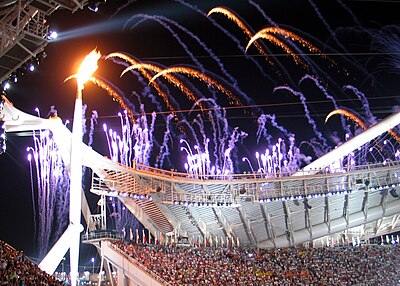
Echoes of Antiquity
The modern Olympic Flame draws its inspiration directly from the sacred fire that burned perpetually in ancient Olympia, Greece. This fire, dedicated to the goddess Hestia, was a central element of religious worship and symbolized the purity and divine essence of the Games. The revival of this tradition for the modern Olympics, which began in 1896, was a deliberate effort to imbue the new Games with the gravitas and historical continuity of their ancient predecessors.
The flame first reappeared in the Olympic program at the 1928 Amsterdam Games, marking a significant symbolic connection to the past. The meticulous ceremony of lighting the flame in Olympia, using the sun's rays focused by a parabolic mirror, is a reenactment designed to honor this ancient heritage. This ritual underscores the Games' commitment to timeless values and serves as a powerful reminder of the spiritual dimension that once permeated athletic competition, aiming to inspire not just physical prowess but also moral and ethical conduct among athletes and spectators alike.
The Torch Relay
The Olympic Torch Relay, a cornerstone of the modern Olympic spectacle, was introduced for the 1936 Berlin Games, conceived by Carl Diem. Its purpose was to create a tangible, dynamic link between the historical birthplace of the Olympics and the contemporary host city, fostering a sense of shared anticipation and global participation. This elaborate relay involves thousands of torchbearers, selected for their diverse backgrounds, achievements, and contributions to society, traversing vast distances across multiple continents.
The journey is more than mere logistical transport; it is a cultural exchange, highlighting the unique characteristics of the regions it passes through and promoting understanding and goodwill among nations. The relay culminates in the dramatic lighting of the Olympic Cauldron at the Opening Ceremony, signifying the official commencement of the Games and uniting the world in a collective celebration of sport and human endeavor. It transforms the abstract ideal of global unity into a visible, moving reality.
Multifaceted Symbolism
The Olympic Flame transcends its literal function as a source of light to become a potent, multifaceted symbol. At its core, it represents peace and the aspiration for global harmony, embodying the Olympic Truce that historically called for a cessation of hostilities during the Games. The flame also signifies unity, bringing together athletes and nations from disparate backgrounds under a common banner of sport.
Furthermore, it is intrinsically linked to the pursuit of excellence, reflecting the dedication, discipline, and perseverance of the athletes who strive to reach their peak performance. The flame acts as a beacon of hope and inspiration, encouraging individuals worldwide to embrace the Olympic values of friendship, respect, and fair play. Its continuous burning throughout the Games serves as a constant reminder of these ideals, urging participants and observers alike to uphold them both on and off the field of competition.
The Ritual of Ignition and the Cauldron's Glow
The ceremonial lighting of the Olympic Flame is a deeply symbolic act that initiates the Olympic journey. Conducted in the ancient stadium at Olympia, Greece, the ceremony involves 'priestesses' performing a ritualistic dance and using a parabolic mirror to harness the sun's rays, igniting the first torch. This precise ritual connects the modern Games to their ancient origins, emphasizing continuity and reverence for tradition.
Once lit, the flame embarks on an extensive torch relay, often spanning thousands of kilometers and involving numerous torchbearers. The journey is designed to build excitement and engage communities worldwide. The climax of this process is the lighting of the Olympic Cauldron at the Opening Ceremony by the final torchbearer, a moment of immense national and international significance.
The cauldron then burns throughout the duration of the Games, serving as a constant visual representation of the Olympic spirit and the collective aspirations of the participating nations.
The Flame's Legacy and Modern Relevance
The Olympic Flame, though rooted in ancient tradition, maintains profound relevance in the contemporary world. In an era often marked by geopolitical tensions and division, the flame serves as a powerful, unifying symbol that transcends national borders and cultural differences. Its journey and presence at the Games remind humanity of shared values and the potential for peaceful coexistence through sport.
The flame encourages dialogue, mutual respect, and understanding among peoples. Furthermore, it continues to inspire athletes to push their limits and embody the Olympic ideals of excellence, friendship, and respect. The legacy of the flame lies not just in its historical significance but in its ongoing capacity to foster a sense of global community and to promote a vision of a more peaceful and united world, demonstrating that even in competition, shared humanity can prevail.
See also
Based on content from Wikipedia · Licensed under CC BY-SA 4.0