

Oliver Cromwell: The Man Who Ruled England!
Images
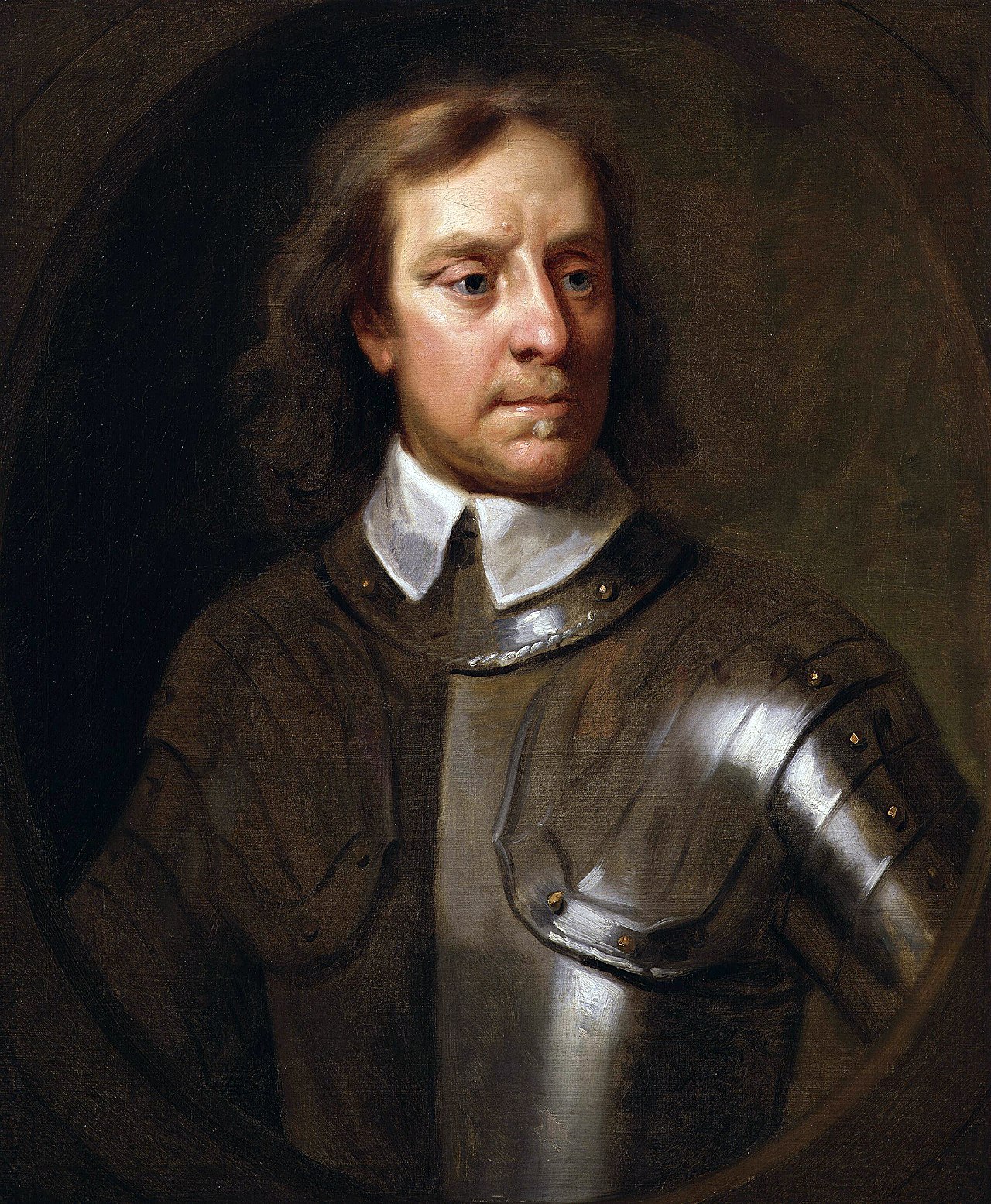
Oliver Cromwell
From Puritan Gentleman to Revolutionary General
Oliver Cromwell (1599-1658) emerged from relative obscurity to become one of the most significant figures in British history. Born into the gentry, his early life was marked by financial difficulties and a deep, often fervent, Puritan faith that profoundly shaped his worldview. Initially elected as a Member of Parliament in 1628, much of his pre-1640 life was unremarkable.
However, his religious convictions intensified, leading him to believe in divine providence guiding his actions. When the First English Civil War erupted in 1642, Cromwell joined the Parliamentarian cause, quickly distinguishing himself not just as a brave soldier but as a brilliant military organizer and tactician. His formation and leadership of the cavalry, particularly within the elite New Model Army, were instrumental in securing Parliament's victory over the Royalist forces.
His military prowess was undeniable, transforming him from a country gentleman into a national hero for the Parliamentarian side.
The Execution of a King and the Birth of a Republic
Following the Parliamentarian triumph, Cromwell became a central figure in the radicalization of the revolution. He was a leading proponent of the trial and execution of King Charles I, a move that shocked Europe and fundamentally altered the course of British governance. The king's execution in January 1649 led to the establishment of the Commonwealth of England, a republic that abolished the monarchy and the House of Lords.
Cromwell's dominance was further cemented by his subsequent military campaigns in Ireland and Scotland. These campaigns, particularly in Ireland, were marked by significant brutality and remain a deeply controversial aspect of his legacy, leading to lasting resentment and historical debate about the nature of his rule and the justification for his actions.
The Protectorate
In December 1653, Cromwell was installed as Lord Protector, effectively making him the head of state of England, Scotland, and Ireland. This position, though not a kingship, granted him immense executive power. He ruled for nearly five years until his death in 1658.
The Protectorate was characterized by attempts to establish a stable government and religious settlement, but it was heavily reliant on military force. Critics, including Winston Churchill, have labeled Cromwell a military dictator, pointing to his use of the army to suppress dissent and maintain political control. His rule represented a unique experiment in republican governance, but it ultimately proved unstable, collapsing after his death and paving the way for the Restoration of the monarchy in 1660.
Enduring Controversy and Historical Reassessment
Oliver Cromwell's historical reputation remains intensely debated. He is simultaneously lauded as a champion of religious liberty and parliamentary supremacy and condemned for his authoritarianism, the execution of the king, and the harshness of his Irish campaign. His statue outside the Houses of Parliament, erected in 1895, symbolizes the long and complex process of acknowledging his place in British history.
The debate over whether he was a heroic liberator or a tyrannical dictator continues to this day, reflecting the profound and often contradictory impact he had on England's political and social landscape. His life and rule offer a compelling case study in the exercise of power during times of profound national crisis and transformation.
Go deeper
Frequently Asked Questions
Who was Oliver Cromwell?+
Why did Oliver Cromwell join the army?+
How did Oliver Cromwell become Lord Protector?+
What was the New Model Army?+
Why is Oliver Cromwell still talked about today?+
Based on content from Wikipedia · Licensed under CC BY-SA 4.0