

Oil Well
Images

Oil well
![Explosion, Leak at Gulf of Mexico Oil Well May 1st [detail]](https://live.staticflickr.com/4042/4576197677_0d61cc06bf.jpg)




The Anatomy and Engineering of an Oil Well
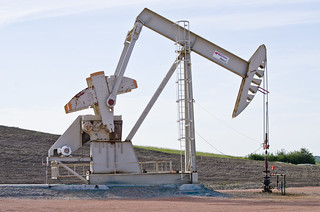
An oil well is a sophisticated conduit designed for the extraction of crude oil and natural gas from subterranean reservoirs. The construction of a well involves a multi-stage process, beginning with the drilling phase, where a rotating drill bit, often equipped with diamond or tungsten carbide teeth, penetrates rock formations. The choice of drill bit and drilling fluid (or 'mud') is critical, influencing drilling speed, wellbore stability, and the removal of rock cuttings.
Once the target depth is reached, the wellbore is lined with steel casing, cemented in place to isolate different geological zones and prevent contamination. Perforations are then made in the casing at the reservoir level, allowing hydrocarbons to flow into the well. The surface equipment includes a 'Christmas tree,' a complex assembly of valves and fittings that controls the flow of oil and gas.
Modern wells can be vertical, directional, or horizontal, allowing access to reservoirs that would otherwise be unreachable. Extended reach drilling and multilateral wells represent advanced techniques to maximize hydrocarbon recovery from a single surface location, significantly improving economic viability.
A Century of Innovation
The history of oil wells is a narrative of relentless technological advancement. The genesis of the modern petroleum industry is widely attributed to Edwin Drake's 1859 well in Pennsylvania, which demonstrated the feasibility of systematic drilling. Early wells were relatively shallow and simple.
However, the demand for oil, particularly with the advent of the automobile, spurred innovation. The development of rotary drilling in the early 20th century revolutionized the industry, enabling deeper and faster drilling. The mid-20th century saw the rise of offshore drilling, requiring massive platforms and complex subsea infrastructure to access vast reserves beneath the ocean floor.
Techniques like hydraulic fracturing ('fracking') and horizontal drilling, popularized in the late 20th and early 21st centuries, have unlocked previously uneconomical reserves, particularly in shale formations, dramatically reshaping global energy landscapes. This evolution reflects a continuous effort to overcome geological challenges and maximize resource extraction efficiency.
The Indispensable Role of Oil Wells in the Global Economy and Society
Oil wells are foundational to the modern global economy and societal infrastructure. Crude oil extracted from these wells serves as the primary feedstock for the transportation sector, powering approximately 95% of global transport. Beyond fuel, petroleum is the bedrock of the petrochemical industry, providing the raw materials for an astonishing array of products, including plastics, synthetic fibers, fertilizers, pharmaceuticals, and countless industrial chemicals.
The economic impact is profound; oil revenues are a significant component of GDP for many nations, influencing international trade, geopolitical relations, and investment flows. Furthermore, the energy derived from oil powers industries, heats homes, and enables the production of goods that define contemporary living standards. While the world is increasingly transitioning towards renewable energy sources, oil wells remain critical to meeting current energy demands and supplying essential materials for a vast range of manufacturing processes.
Hydrocarbon Extraction
The extraction of hydrocarbons from an oil well relies on understanding reservoir dynamics and applying appropriate recovery methods. Initially, wells often produce via natural reservoir drive mechanisms, such as dissolved gas drive, gas cap drive, or water drive, which maintain pressure. As these natural drives diminish, secondary recovery methods, primarily water or gas injection, are employed to maintain reservoir pressure and sweep oil towards production wells. Tertiary or enhanced oil recovery (EOR) techniques, including thermal methods (like steam injection), chemical flooding, or miscible gas injection, are used to recover additional oil that cannot be extracted by primary or secondary means.
Significant challenges include managing declining reservoir pressures, dealing with produced water, mitigating environmental impacts, and ensuring operational safety. The economics of extraction are also a constant consideration, balancing the cost of advanced recovery techniques against the fluctuating price of crude oil.
Environmental and Societal Considerations of Oil Well Operations
The operation of oil wells carries significant environmental and societal implications. Potential environmental risks include oil spills, groundwater contamination from drilling fluids or leaks, and the release of greenhouse gases like methane. The infrastructure required for oil extraction, particularly offshore platforms and extensive pipeline networks, can disrupt marine and terrestrial ecosystems.
Furthermore, the combustion of petroleum products derived from these wells is a major contributor to anthropogenic climate change. Societally, oil extraction can lead to economic booms and busts in producing regions, raise issues of resource nationalism, and create geopolitical tensions. The long-term sustainability of relying on fossil fuels extracted from oil wells is a subject of intense debate, driving research and investment into alternative energy sources and more efficient extraction and utilization technologies.
Responsible well management and decommissioning are crucial to minimize long-term environmental liabilities.
See also
Based on content from Wikipedia · Licensed under CC BY-SA 4.0