

Observation Decks: Your Ticket to Amazing Views!
Images
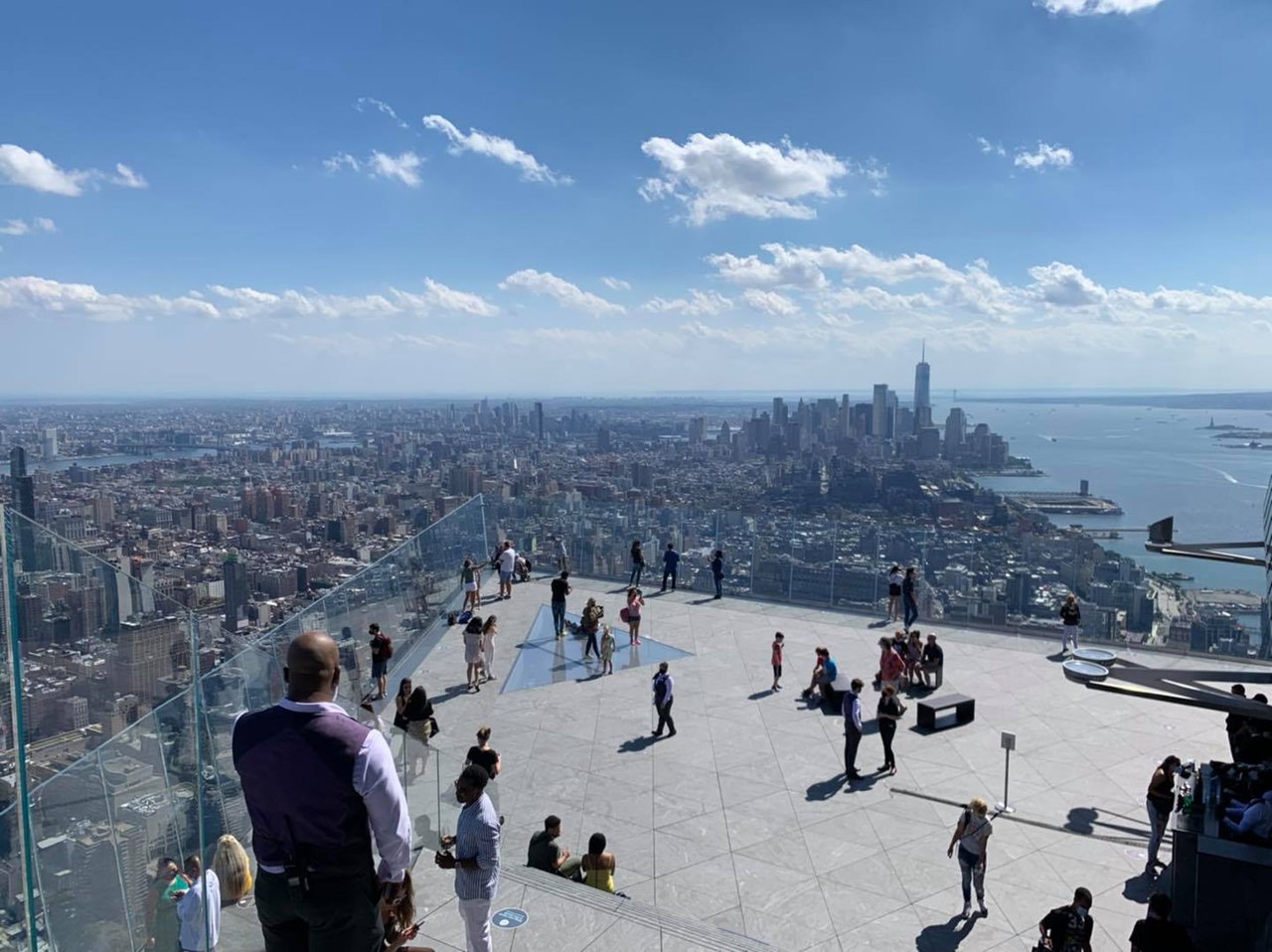
Observation deck
Engineering the Ascent
Observation decks represent the pinnacle of architectural ambition, pushing the boundaries of engineering to create accessible platforms at extreme altitudes. Typically situated atop skyscrapers or purpose-built observation towers, these structures are not merely elevated viewpoints but complex systems designed for public access and safety. The design process involves meticulous consideration of factors such as wind loads, seismic activity, and vertical transportation.
Advanced materials and construction techniques are employed to ensure stability and minimize sway, often incorporating tuned mass dampers or other damping systems. The enclosed nature of many modern decks, with expansive glass facades, requires specialized glazing and structural support. The integration of high-speed elevators is crucial, transforming a potentially arduous climb into a swift, almost instantaneous ascent, enhancing the visitor experience and maximizing the time spent enjoying the panoramic views.
A Historical Trajectory of Vertical Exploration
The human desire to gain a vantage point is timeless, but the modern observation deck evolved alongside advancements in vertical construction. Early forms might have included simple lookout points or balconies on existing structures. However, the proliferation of skyscrapers in the late 19th and early 20th centuries, driven by innovations in steel framing and elevator technology, truly paved the way for dedicated observation spaces.
Landmarks like the Empire State Building and the Eiffel Tower, initially built for other purposes, soon became iconic viewing platforms. Over time, these spaces transitioned from being mere amenities to primary attractions, with new towers designed specifically for observation, incorporating features like interactive exhibits and dining facilities. This evolution reflects a growing cultural appreciation for urban panoramas and the unique perspective they offer.
Socio-Economic Impact and Cultural Significance
Observation decks function as significant economic catalysts, drawing substantial tourist revenue through ticket sales, associated retail, and dining establishments. They are often central to a city's tourism strategy, acting as iconic landmarks that define a destination's skyline and identity. Beyond their economic contributions, observation decks hold considerable cultural significance.
They provide a tangible representation of human ingenuity and aspiration, symbolizing progress and ambition. For visitors, they offer a profound sense of perspective, fostering an appreciation for the scale of urban development, the beauty of natural landscapes, and the interconnectedness of the world. These elevated spaces can also serve as platforms for civic pride, offering residents a unique way to connect with their city and its history, transforming everyday environments into extraordinary experiences.
Technological Integration and Future Horizons
Contemporary observation decks are increasingly integrating cutting-edge technology to enhance the visitor experience. Augmented reality (AR) overlays can provide real-time information about landmarks, historical context, or even virtual reconstructions of past cityscapes, enriching the visual narrative. Interactive displays and digital telescopes offer personalized journeys through the view.
Furthermore, the design of future observation decks is likely to be influenced by sustainability principles, incorporating energy-efficient systems and materials. Innovations in structural engineering may allow for even greater heights and more daring designs, potentially including cantilevered platforms or transparent floors that offer thrilling, unobstructed views. The evolution of observation decks continues to be a testament to human innovation, blending engineering prowess with a fundamental desire to explore and understand our world from a new vantage point.
Go deeper
Frequently Asked Questions
What is an observation deck?+
Where are observation decks usually located?+
Why do observation decks need special engineering?+
How do people get to the top of an observation deck?+
What can you do at an observation deck besides looking out?+
Based on content from Wikipedia · Licensed under CC BY-SA 4.0