

Empire State Building
Images

Empire State Building




Conception and Construction
The Empire State Building, conceived by Empire State, Inc., led by Alfred E. Smith, emerged as a bold statement during the economic downturn of the Great Depression. Its design, by Shreve, Lamb & Harmon Associates, was a triumph of Art Deco architecture, emphasizing verticality and streamlined forms.
The construction itself was an astonishing feat of engineering and logistics, completed in a record-breaking 1 year and 45 days, from March 17, 1930, to May 1, 1931. This rapid pace was driven by a competitive spirit and the need to create jobs. Over 3,400 workers, many of them immigrants, toiled under challenging conditions, often at great personal risk.
The building's innovative construction methods, including the use of prefabricated steel components and a highly organized workforce, set new standards for skyscraper development. Its iconic setbacks, a requirement of New York City zoning laws at the time, not only created its distinctive silhouette but also allowed light and air to reach the streets below, a thoughtful consideration for urban planning.
Economic Engine and Urban Identity
Upon its completion, the Empire State Building was the world's tallest building, a title it proudly held for nearly four decades. However, it initially struggled to attract tenants, earning the nickname 'Empty State Building' during its early years. This economic challenge underscored the complexities of large-scale real estate development.
Despite these initial hurdles, it gradually became a prime address for businesses, housing a diverse range of tenants from law firms and financial institutions to media companies. Its central location in Midtown Manhattan made it a highly desirable commercial space. Beyond its economic function, the building became inextricably linked with the identity of New York City.
Its image is synonymous with the city's dynamism, ambition, and resilience, serving as a powerful symbol of American achievement and aspiration on a global scale. The building's consistent presence in media further solidified this connection.
A Cultural Touchstone and Evolving Landmark
The Empire State Building's cultural impact is profound and multifaceted. It has served as a dramatic backdrop and central element in countless films, from the iconic King Kong climbing its facade to its appearances in romantic comedies and thrillers. This cinematic presence has embedded the building into the global consciousness as a quintessential symbol of New York.
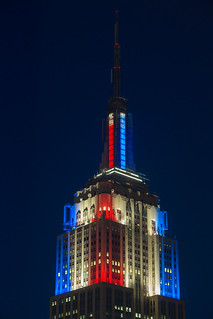
Its observation decks, particularly the 86th-floor open-air promenade, offer unparalleled panoramic views, attracting millions of tourists annually and providing a unique perspective on the sprawling metropolis. Furthermore, the building's spire has been transformed into a dynamic canvas for light shows, illuminating the night sky with colors that celebrate holidays, national events, and social causes. This adaptive use of its architecture demonstrates its ongoing relevance and its ability to engage with contemporary culture and social discourse.
Sustainability and Modern Relevance
In the 21st century, the Empire State Building has embraced a commitment to sustainability, undergoing a massive retrofitting project to improve its energy efficiency. This initiative, completed in 2011, involved upgrading windows, insulation, HVAC systems, and lighting, significantly reducing the building's energy consumption and carbon footprint. This transformation made it one of the most energy-efficient skyscrapers of its age, demonstrating that historic landmarks can be leaders in environmental stewardship.
The project not only reduced operating costs but also served as a model for green building practices in existing structures. The building continues to be a premier office building and a major tourist destination, proving that iconic architecture can adapt to changing times while retaining its historical significance and cultural resonance. Its enduring appeal lies in its blend of historical grandeur and forward-thinking innovation.
Go deeper
Frequently Asked Questions
What is the Empire State Building?+
How fast was the Empire State Building built?+
Why is the Empire State Building famous in movies?+
What can visitors see from the Empire State Building?+
How does the Empire State Building help the environment?+
Based on content from Wikipedia · Licensed under CC BY-SA 4.0