

Northern Cyprus
Images
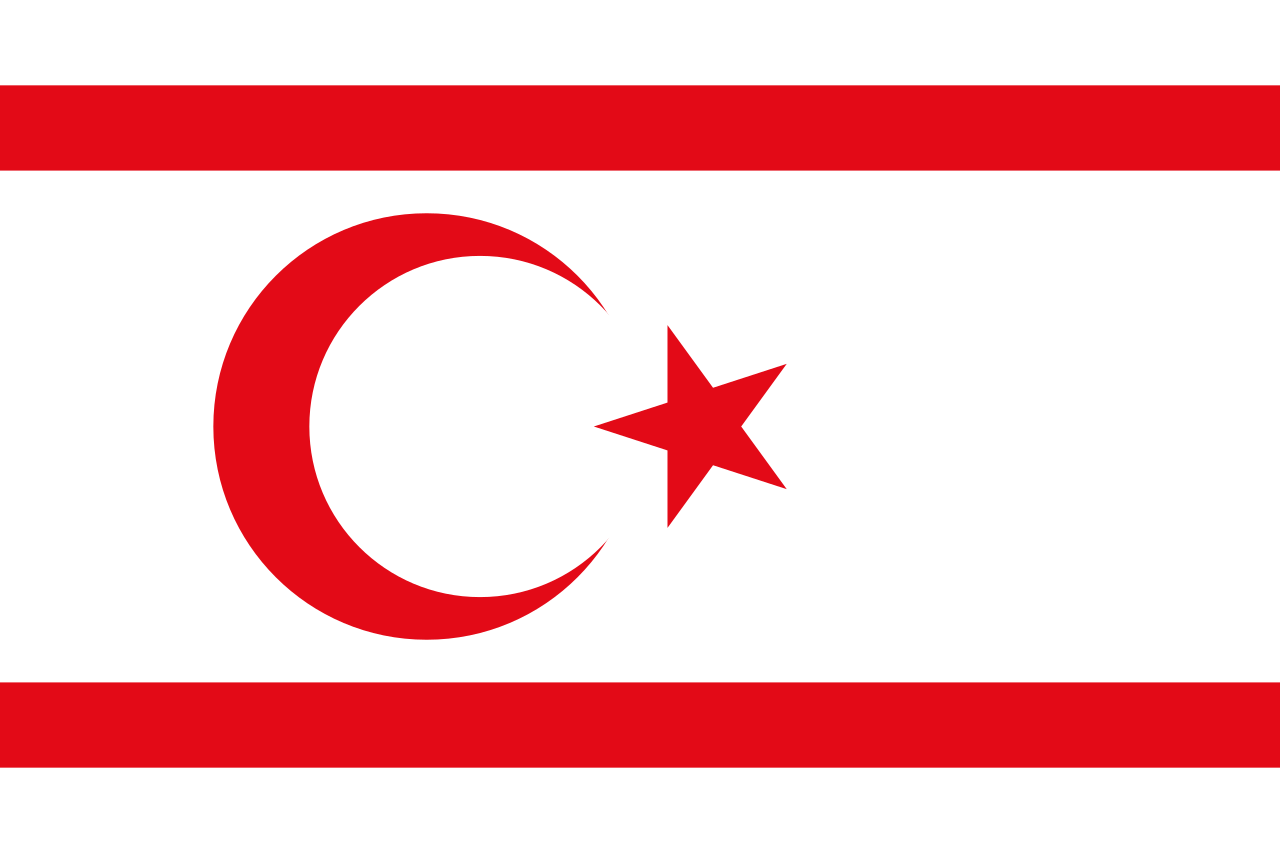
Northern Cyprus
The Fragmented Island
Northern Cyprus, officially the Turkish Republic of Northern Cyprus (TRNC), represents the de facto state governing the northern third of the island of Cyprus. Its existence is a direct consequence of the island's long-standing political divisions. Crucially, the TRNC is recognized solely by Turkey, creating a unique geopolitical anomaly.
The international community, including the United Nations and the European Union, considers this territory as part of the Republic of Cyprus, which is under what is often termed Turkish military occupation. The geographical extent of Northern Cyprus spans from Cape Apostolos Andreas in the northeast to Morphou Bay in the northwest, encompassing significant coastal areas and the westernmost point at Cape Kormakitis. A vital element of the island's division is the UN-controlled buffer zone, a demilitarized area that runs through the capital city of Nicosia, physically separating the Greek Cypriot south from the Turkish Cypriot north.
This zone serves as a constant reminder of the unresolved conflict and the divided nature of the island.
Roots of Division
The path to Northern Cyprus's current status is deeply rooted in the island's post-independence history. Following Cyprus's independence from the United Kingdom in 1960, intercommunal tensions between the Greek Cypriot majority and the Turkish Cypriot minority escalated dramatically. The Greek Cypriot aspiration for 'enosis' (union with Greece) clashed with the Turkish Cypriot desire for 'taksim' (partition).
This ideological divide fueled periods of intense violence. The pivotal moment arrived in 1974 with a coup d'état orchestrated by the Greek military junta, aiming to annex Cyprus. In response, Turkey launched a military intervention, subsequently occupying and controlling the northern third of the island.
This invasion resulted in a significant population displacement: many Greek Cypriots were evicted from their homes in the north, while Turkish Cypriots fled from the south. The unilateral declaration of independence by the north in 1983 was met with international condemnation, with UN Security Council Resolution 541 deeming it illegal and urging non-recognition. The ongoing 'Cyprus problem' remains unresolved, with differing visions for the island's future: a two-state solution favored by Northern Cyprus and Turkey, versus a federalized Cyprus advocated by the Republic of Cyprus, the EU, and the UN.
Sovereignty and Support
The international isolation of Northern Cyprus has forged a profound dependency on Turkey for economic, political, and military sustenance. This symbiotic relationship has led some international observers and experts to characterize the TRNC as a 'puppet state' of Turkey, implying a lack of genuine autonomy. However, this label is contested by others who highlight the TRNC's independent electoral processes and functioning governmental institutions.
The significant presence of the Turkish Army in Northern Cyprus, supported by the local government, is a contentious issue. The Republic of Cyprus, the EU, and the broader international community view this military presence as an illegal occupation force, a stance reinforced by numerous UN Security Council resolutions. This complex dynamic shapes the TRNC's internal governance and its external relations, creating a unique political environment where de facto sovereignty is maintained through substantial external backing.
Economic Resilience and Cultural Synthesis
Northern Cyprus operates as a semi-presidential democratic republic, characterized by a vibrant cultural heritage that reflects a confluence of various historical influences. The economy, predominantly service-based, has demonstrated resilience and growth, particularly during the 2000s and 2010s, with a notable tripling of its GNP per capita in the former decade. Nevertheless, its economic development is significantly hampered by an international embargo, stemming from the official closure of Northern Cypriot ports by the Republic of Cyprus.
The official language is Turkish, though a distinct local dialect is widely spoken, preserving a unique linguistic identity. Religiously, the vast majority of Turkish Cypriots adhere to Sunni Islam, but everyday religious practice is generally characterized by moderation and secularism. Northern Cyprus actively participates in international forums, holding observer status in organizations like the ECO and OIC under the designation 'Turkish Cypriot State,' and with PACE as the 'Turkish Cypriot Community,' showcasing its efforts to engage with the global community despite its limited recognition.
Go deeper
Frequently Asked Questions
What is Northern Cyprus?+
Why is Northern Cyprus only recognized by Turkey?+
Where is the UN buffer zone and why does it exist?+
How did Northern Cyprus become a separate state?+
What is the relationship between Northern Cyprus and Turkey?+
Based on content from Wikipedia · Licensed under CC BY-SA 4.0