

North Shore (Sydney)
Images

Goat island, Historic Cottages, Sydney Harbour.


Defining the North Shore
The North Shore of Sydney is a geographically distinct and culturally recognized region, primarily situated on the northern banks of Sydney Harbour and its associated waterways, Middle Harbour and the Lane Cove River. Its boundaries are generally understood to extend northwards to suburbs like Wahroonga. Crucially, the term 'North Shore' is customary and informal, lacking a precise legal or administrative definition.
This means its perceived boundaries can be subjective and vary depending on context, often encompassing multiple local government areas (LGAs) such as North Sydney, Willoughby, Lane Cove, Ku-ring-gai, and parts of Hornsby Shire. This lack of formal definition contributes to its unique identity as a collective of diverse suburbs rather than a singular municipality. The region's geography is characterized by its proximity to the harbour, featuring numerous bays, peninsulas, and inlets, which have historically influenced settlement patterns and continue to shape its aesthetic appeal.
The nickname 'Leafy North Shore' is a testament to its abundant natural vegetation, well-maintained parks, and tree-lined streets, a deliberate planning outcome in many of its established suburbs.
Historical Trajectories
The North Shore's history is deeply rooted in its Indigenous heritage, with the land originally inhabited by Aboriginal peoples for millennia. European settlement from 1788 onwards saw gradual encroachment, with early development hampered by the harbour's natural barriers. Initial European activity focused on resource extraction and small agricultural plots.
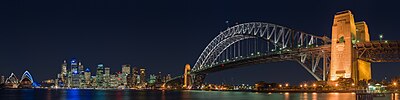
The critical turning point in the North Shore's development was the construction and opening of the Sydney Harbour Bridge in 1932. This engineering marvel dramatically reduced travel times and facilitated unprecedented suburban expansion. Prior to the bridge, ferry services were the primary mode of transport, fostering distinct, somewhat isolated communities.
Post-bridge, the region experienced rapid population growth and urbanisation throughout the mid-20th century. Planners and developers actively cultivated the 'leafy' character, emphasizing spacious housing blocks, extensive parklands, and tree-lined avenues, differentiating it from the denser development seen elsewhere in Sydney. This historical trajectory has resulted in a region characterized by established, affluent suburbs with a strong emphasis on residential amenity and green space.
Socio-Cultural Fabric
The North Shore presents a complex socio-cultural landscape, often associated with higher socio-economic status. Its population is diverse, reflecting Sydney's broader multiculturalism, with significant communities speaking languages other than English, including Mandarin, Cantonese, and Arabic, particularly in certain northern suburbs. This diversity enriches the cultural offerings, from culinary scenes to community events. Lifestyle on the North Shore often balances the convenience of urban living with a strong connection to the natural environment.
Many residents are professionals who commute to the Sydney CBD, contributing to a dynamic economic flow. The region boasts a high concentration of well-regarded public and private schools, making it a sought-after location for families prioritizing education. This demographic profile influences the local economy, supporting a robust service sector, including high-end retail, dining, and specialized healthcare.
Community identity is often fostered through local councils, sporting clubs, and the shared appreciation for the area's green spaces and harbour-side amenities.
Economic Drivers and Urban Planning
The economic base of the North Shore is multifaceted, extending beyond its role as a residential area. While many residents are employed in the central business district, the region itself hosts significant commercial and employment hubs. Key sectors include professional, scientific, and technical services, healthcare, education, and retail.
Major hospitals, numerous private schools, and corporate offices are located within North Shore LGAs, providing substantial local employment. The affluence of the region also supports a strong luxury retail and hospitality sector. Urban planning has historically played a crucial role in shaping the North Shore's character. The emphasis on creating a 'leafy' environment, with ample parklands and tree-lined streets, was a deliberate strategy that continues to influence development.
While preserving this character, planning also addresses the need for infrastructure, housing diversity, and economic development, balancing heritage considerations with contemporary urban demands. The region's high property values reflect its desirability, driven by its lifestyle, amenities, and perceived quality of life.
Governance and Education
The governance of the North Shore is managed through a network of local government areas (LGAs), each responsible for local services, planning, and community development within its defined boundaries. Prominent LGAs include North Sydney, Willoughby, Lane Cove, and Ku-ring-gai, among others. These councils work within the broader framework of New South Wales state legislation.
Education is a cornerstone of the North Shore's identity and a significant draw for families. The region is renowned for its high-performing educational institutions, encompassing a wide array of public and private primary and secondary schools. Many of these schools consistently rank among the top in the state, contributing to the area's reputation for academic excellence.
Beyond secondary education, the North Shore is also home to several tertiary institutions and specialized training centers, further solidifying its role as a hub for learning and development. This strong focus on education underpins the socio-economic profile of the region and its enduring appeal.
See also
Frequently Asked Questions
What is the North Shore in Sydney?+
Why is it called the "Leafy North Shore"?+
How did the Sydney Harbour Bridge change the North Shore?+
Where exactly is the North Shore?+
What kinds of people live on the North Shore?+
Based on content from Wikipedia · Licensed under CC BY-SA 4.0