

Newcastle, New South Wales
Images

06020 (891) 11-12-1973 PTC of NSW AEC Matador CT-139 towing Leyland OPSU1-1 Royal Tiger 2732. The vehicles are turning from Gordon Avenue into Denison Street, Hamilton, Newcastle, New South Wales, Australia.




Geographical Significance and Natural Landscape
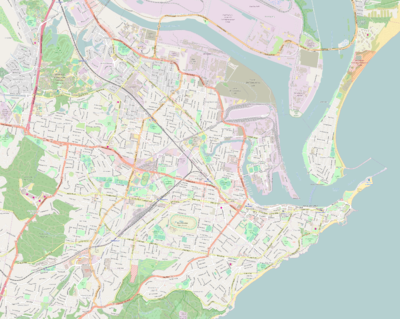
Newcastle, officially designated as Greater Newcastle, is the second-most populous metropolitan area in New South Wales, Australia, strategically situated at the mouth of the Hunter River. This prime location positions it as the dominant urban center within the Hunter Region and a key hub for the Lower Hunter. Geologically, the area is part of the central-eastern Sydney Basin, a region characterized by significant coal deposits.
The city's geography is defined by its coastal setting and the extensive river system, which has historically facilitated trade and development. The climate is temperate, with warm summers and mild winters, supporting a diverse range of flora and fauna in the surrounding natural areas, including national parks and coastal reserves that offer recreational opportunities and ecological value.
Historical Evolution
Newcastle's history is deeply intertwined with its natural resources and its role in Australia's colonial past. Established as a penal colony in 1804, its initial purpose was to extract coal and timber. The abundance of high-quality coal in the Hunter Valley quickly transformed it from a remote outpost into a vital economic engine.
The development of the port infrastructure was paramount, enabling the export of coal that fueled industrialization both domestically and internationally. Over the decades, Newcastle evolved from a rough mining town into a sophisticated industrial city, facing periods of boom and bust tied to global commodity prices. Its heritage is preserved in its architecture and the stories of the generations who worked in its mines and industries, a legacy that continues to shape its identity.
Socio-Cultural Fabric and Indigenous Heritage
The social and cultural landscape of Newcastle is a rich tapestry woven from Indigenous heritage, colonial history, and modern multiculturalism. The Awabakal people are the traditional custodians of the land, with their ancestral name for the area, Mulubinba, serving as a reminder of this deep connection. The city's population, now over half a million in the greater metropolitan area, is diverse, with English as the primary language.
Residents are known as Novocastrians, a term reflecting the city's historical roots. Newcastle has cultivated a vibrant arts scene, with galleries, performance spaces, and festivals contributing to its cultural dynamism. The coastal environment also plays a significant role in the lifestyle, offering opportunities for surfing, swimming, and other water-based activities that are integral to the local identity.
Economic Engine
Newcastle's economy has historically been dominated by its role as the world's largest coal exporting harbor. The sheer volume of coal shipped annually, reaching 143 million tonnes in 2022, underscores its global significance in the energy sector. This industry has been the bedrock of the region's prosperity, supporting numerous jobs and related businesses.
However, in recent years, there has been a concerted effort towards economic diversification. Recognizing the need to adapt to changing global energy landscapes and environmental concerns, Newcastle is increasingly investing in sectors such as advanced manufacturing, education, tourism, and renewable energy. The city's strategic location, skilled workforce, and existing infrastructure provide a strong foundation for this transition towards a more sustainable and varied economic future.
Governance and Future Trajectories
As a major metropolitan center, Newcastle operates within the framework of New South Wales state government and local council structures. The City of Newcastle and the City of Lake Macquarie are key administrative bodies, responsible for urban planning, infrastructure development, and public services. The broader Lower Hunter region involves coordinated efforts across multiple local government areas to address regional challenges and opportunities.
Governance in Newcastle is increasingly focused on sustainable development, balancing economic growth with environmental protection and social equity. This includes initiatives aimed at improving public transport, managing urban sprawl, and fostering innovation. The city's future trajectory involves navigating the complexities of global energy markets while capitalizing on its potential as a hub for education, technology, and tourism.
See also
Frequently Asked Questions
What is Newcastle famous for?+
Where is Newcastle located?+
Why was Newcastle started as a penal colony?+
Who are the Awabakal people?+
What can kids do in Newcastle?+
Based on content from Wikipedia · Licensed under CC BY-SA 4.0