

New Age: A Journey of Discovery!
Images
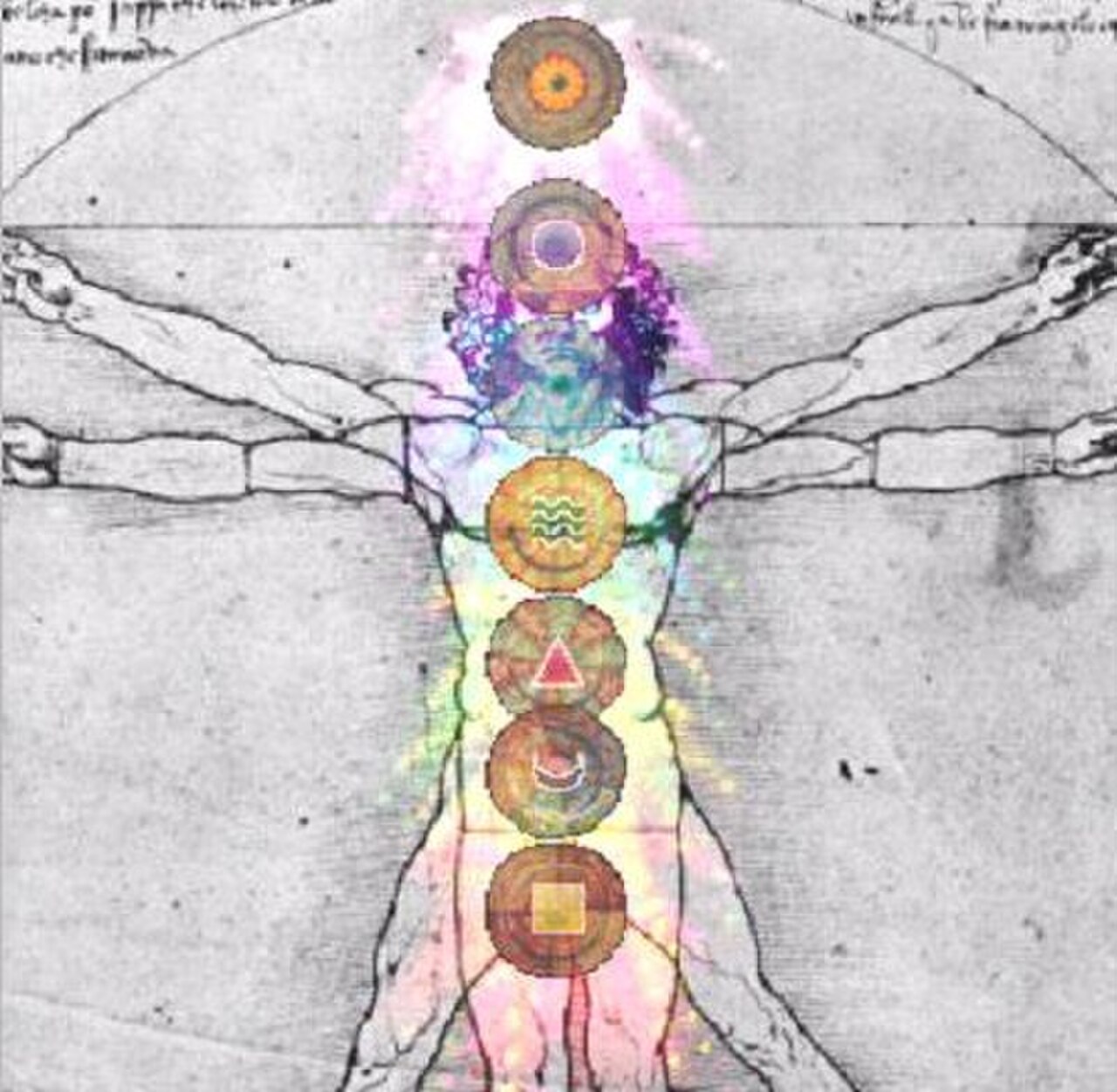
New Age
Defining the Elusive 'New Age'
The New Age movement, flourishing primarily from the 1960s through the 1990s, represents a broad and often eclectic spiritual and cultural phenomenon rather than a unified doctrine. It is characterized by a syncretic approach, drawing from a vast array of sources including Eastern religions (Buddhism, Hinduism), Western esotericism (Gnosticism, Hermeticism), indigenous spiritual traditions, psychology, and scientific theories. At its core, the movement posits a transition into a new era of human consciousness and planetary evolution, often referred to as the 'Age of Aquarius.' This era is envisioned as one of greater peace, spiritual awareness, and interconnectedness, driven by individual transformation and a shift away from materialistic or dogmatic worldviews.
Genealogy of a Spiritual Renaissance
The intellectual and spiritual lineage of the New Age movement is extensive. Its roots can be traced to 19th-century movements like Transcendentalism, which emphasized intuition and the inherent divinity of nature and humanity, and Theosophy, which sought to synthesize world religions and uncover universal spiritual truths. The counterculture of the 1960s provided fertile ground, fostering a rejection of established norms and an openness to alternative lifestyles and belief systems.
The availability of translated spiritual texts, increased global travel, and the rise of mass media facilitated the dissemination of these diverse ideas, allowing for their fusion into the distinct character of the New Age.
The Allure of Personal Sovereignty and Meaning
The profound appeal of the New Age movement stemmed from its emphasis on individual autonomy and the search for authentic meaning in a rapidly changing world. Many found traditional religious and societal structures to be inadequate or alienating, leading them to seek more personalized spiritual paths. The movement offered a framework for understanding suffering and life's complexities through concepts such as karma, reincarnation, and the power of intention.
It provided practical tools for self-improvement and spiritual growth, such as meditation, affirmations, and energy healing, empowering individuals to take an active role in their own well-being and consciousness. This focus on personal empowerment resonated deeply with a generation questioning authority and seeking self-realization.
A Kaleidoscope of Practices and Philosophies
The New Age is defined by its vast and often overlapping array of practices and beliefs. Meditation, mindfulness, and breathwork are central to cultivating inner peace and awareness. Yoga, originating from ancient India, is widely adopted for its physical, mental, and spiritual benefits. Alternative healing modalities, including crystal therapy, aromatherapy, herbalism, and energy work (like Reiki), are explored for their potential to restore balance. Astrology, numerology, and tarot are employed as tools for divination and self-understanding.
Furthermore, concepts such as channeling, past-life regression, and the law of attraction became popular avenues for exploring consciousness and the nature of reality, reflecting a broad curiosity about the unseen dimensions of existence.
Enduring Legacies and Contemporary Relevance
While the peak cultural visibility of the 'New Age' label may have waned, its influence on contemporary Western culture is pervasive and enduring. Practices once considered esoteric, such as yoga, meditation, and mindfulness, are now mainstream, integrated into wellness industries, corporate programs, and healthcare. The emphasis on holistic health, personal development, and the interconnectedness of mind, body, and spirit has become a significant cultural paradigm.
The movement's legacy lies in its role in democratizing spirituality, fostering a greater acceptance of diverse belief systems, and promoting an ongoing dialogue about consciousness, human potential, and our relationship with the planet. It has fundamentally altered how many people approach spirituality and personal growth.
See also
Frequently Asked Questions
What is the New Age movement?+
Why did people join the New Age?+
How does the New Age view the future?+
Where do New Age practices come from?+
Are New Age tools like astrology and tarot real?+
Based on content from Wikipedia · Licensed under CC BY-SA 4.0