

Netflix
Images

Netflix CARNAGE


The Genesis of Disruption
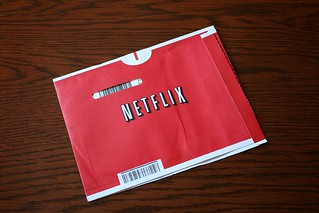
Netflix's trajectory is a compelling case study in adapting to technological shifts and consumer behavior. Launched in 1997, its initial business model centered on DVD-by-mail rentals, a novel approach that challenged the brick-and-mortar video store paradigm. This allowed for a wider selection and greater convenience, laying the foundation for brand recognition and customer loyalty.
However, the true watershed moment arrived in 2007 with the introduction of its streaming service. This pivot was prescient, anticipating the widespread adoption of broadband internet and the growing desire for instant access to content. By leveraging digital distribution, Netflix bypassed physical limitations, enabling a scalable model that could reach a global audience.
This strategic foresight not only secured its future but also fundamentally altered the landscape of media consumption, setting a new standard for how entertainment is accessed and enjoyed.
Curating Culture
Netflix's commitment to producing 'Netflix Originals' has been a cornerstone of its strategy and a significant driver of its success. By 2022, these in-house productions constituted half of its U.S. library, a testament to its massive investment in content creation. This approach offers several advantages: it provides exclusive content that differentiates Netflix from competitors, allows for greater creative control, and fosters a unique brand identity.
Original series and films have not only garnered critical acclaim and awards but have also become cultural touchstones, influencing global trends and conversations. However, this reliance on original content also presents challenges, including escalating production costs and the constant need to identify and develop the next hit. The strategy underscores Netflix's ambition to be not just a distributor but a creator of cultural phenomena.
The Mechanics of Instant Gratification
The seamless user experience offered by Netflix is underpinned by sophisticated streaming technology. Unlike traditional downloads, streaming delivers media content in a continuous flow of data packets over the internet. This 'buffering' process allows viewers to begin watching almost immediately, creating an 'on-demand' experience that is highly convenient.
The service operates on an 'over-the-top' (OTT) model, meaning it delivers content directly to consumers via the internet, bypassing traditional distribution channels like cable or satellite providers. This architecture requires robust infrastructure to manage the immense traffic generated by millions of concurrent users worldwide. The efficiency and reliability of this streaming pipeline are critical to maintaining subscriber satisfaction and supporting Netflix's global operations, enabling it to serve diverse markets with varying internet speeds and bandwidth capabilities.
Global Reach and Diversification
Netflix's influence extends far beyond its streaming library, positioning it as a major player in the global digital ecosystem. Its status as the 18th most-visited website worldwide as of 2025, with significant traffic from key markets like the United States, United Kingdom, Canada, and Brazil, underscores its pervasive reach. This vast audience base makes it a powerful platform for content distribution and a significant cultural force.
Demonstrating a forward-thinking approach to entertainment, Netflix has also expanded its horizons into adjacent industries. The company's venture into mobile video game publishing through its flagship service signifies a strategic move to diversify its offerings and capture a broader share of the entertainment market. This expansion reflects an understanding that the future of entertainment lies in interconnected digital experiences.
Go deeper
Frequently Asked Questions
What is Netflix?+
How did Netflix change from DVDs to streaming?+
Why does Netflix make its own shows and movies?+
How does streaming work on Netflix?+
Where does Netflix get its big audience?+
Based on content from Wikipedia · Licensed under CC BY-SA 4.0