

Nelson Piquet
Images
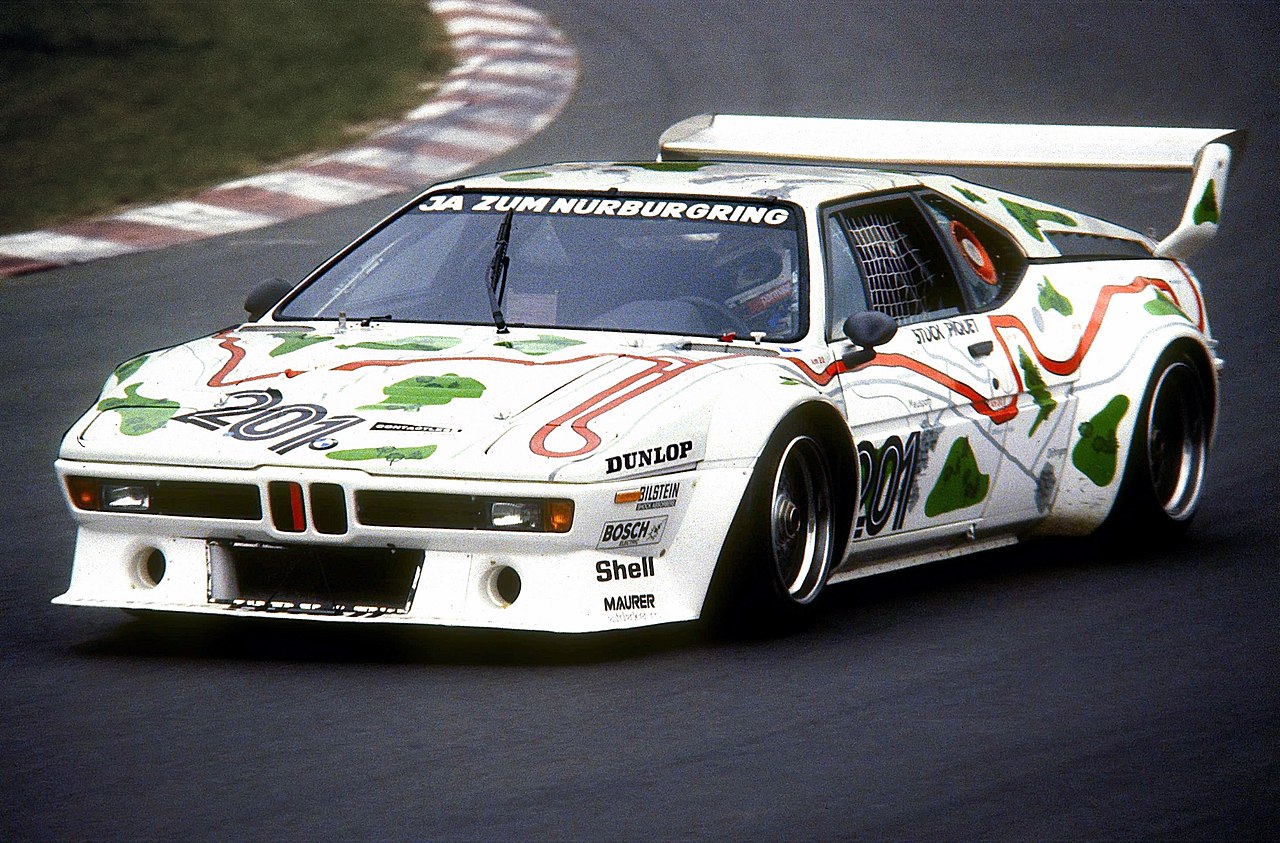
File:1980-05-24 Nelson Piquet im BMW M1, Nürburgring Südkehre.jpg




The Genesis of a Champion
Nelson Piquet Souto Maior's trajectory into motorsport was marked by an early, almost clandestine, dedication to speed. Born in Brasília, Brazil, his initial foray into competitive sport was in tennis, a path he abandoned due to a lack of interest. His true calling emerged in karting, a discipline he pursued with such fervor that he concealed his involvement from his father.
This period of intense, self-driven practice culminated in his victory at the Brazilian national karting championship in 1971–72. His success continued with the Formula Vee Brazil championship in 1976. Crucially, seeking guidance from fellow Brazilian champion Emerson Fittipaldi, Piquet ventured to Europe.
There, he rapidly ascended through the ranks, achieving a remarkable record of wins in Formula Three in 1978, a feat that eclipsed the previous benchmark set by Sir Jackie Stewart. This European success served as a powerful springboard into the pinnacle of motorsport, Formula One.
Dominance and Rivalries
Piquet's Formula One career, spanning from 1978 to 1991, is defined by three World Drivers' Championship titles. His debut year saw him drive for Ensign, followed by stints at McLaren and Brabham. It was with Brabham that he achieved his first major success, finishing runner-up in 1980 before claiming his maiden championship in 1981.
The 1982 season was plagued by significant mechanical unreliability, a testament to the fine margins in F1. However, Piquet demonstrated remarkable adaptability and skill, staging a strong comeback to secure his second title in 1983. The mid-1980s saw him continue to be a front-runner, even as championship challenges proved elusive in 1984 and 1985.
A pivotal move to Williams in 1986 placed him in direct contention for the title, which he ultimately secured in 1987. This third championship was won amidst an intense and famously acrimonious rivalry with teammate Nigel Mansell, a battle that significantly impacted their personal and professional relationship. His subsequent years with Lotus and Benetton, while yielding further race wins, did not replicate his championship-winning form.
Post-Racing Ventures and Enduring Controversies
Upon retiring from Formula One in 1991, Nelson Piquet did not entirely step away from the racing world. He made attempts at the Indianapolis 500 for two seasons and also engaged in sports car racing at various points. Currently, Piquet is a retired figure who manages several business enterprises in his native Brazil.
However, his post-racing life has not been without significant controversy. Since the 1980s, he has been involved in several public disputes, most notably for his use of homophobic and racially charged language. These incidents led to his ban from the Formula One paddock in 2022, a decision that underscored the sport's evolving stance on inclusivity and respect.
While the ban was eventually lifted in 2024, these controversies have undeniably cast a shadow over his otherwise illustrious career, prompting ongoing discussions about accountability and the conduct of public figures in sport.
The Technical Evolution of Formula One Cars During Piquet's Era
Nelson Piquet's career coincided with a period of dramatic technological advancement in Formula One. The cars evolved from relatively simple machines to highly sophisticated aerodynamic devices. Early in his career, ground effect aerodynamics, which used the car's underside to create a vacuum and suck it to the track, was prevalent.
By the mid-1980s, wings became more sophisticated, generating significant downforce that allowed for much higher cornering speeds. Engine technology also progressed rapidly, with turbocharging becoming a dominant force before being phased out towards the end of Piquet's career. The introduction of advanced materials like carbon fiber composites revolutionized chassis construction, offering immense strength at a fraction of the weight of traditional metal frames. Drivers like Piquet had to possess not only exceptional driving skill but also a keen understanding of tire management, fuel strategy, and the intricate workings of these complex machines.
The technical regulations constantly shifted, forcing teams and drivers to adapt, a challenge Piquet met with considerable success, demonstrating his ability to master evolving machinery.
Nelson Piquet's Place in Motorsport History
Nelson Piquet stands as one of the most successful drivers in Formula One history, a three-time World Champion whose raw speed and tactical acumen earned him a place among the sport's elite. His 23 Grand Prix victories and record-breaking performances in junior categories highlight a career defined by exceptional talent and relentless drive. He was known for his smooth driving style and his ability to conserve his car and tires, a strategic advantage in longer races.
However, Piquet's legacy is complicated by his public conduct and controversial statements. The incidents involving offensive language have led to significant criticism and a temporary exclusion from the F1 paddock, prompting a broader conversation about the responsibilities of high-profile athletes. His career serves as a compelling case study in the duality of sporting greatness, where extraordinary achievements on the track are juxtaposed with personal conduct that has drawn considerable scrutiny.
His impact on Formula One is undeniable, both for his driving prowess and for the ongoing discussions his controversies have ignited.
See also
Based on content from Wikipedia · Licensed under CC BY-SA 4.0