

Natural Resources: Earth's Amazing Gifts!
Images

Natural resource

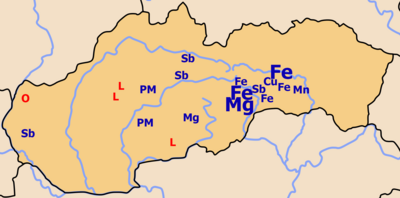


The Genesis and Scope of Natural Resources
Natural resources are the materials and components originating from the Earth's environment that possess intrinsic value for human use, scientific study, aesthetic appreciation, or cultural significance. They encompass a vast spectrum, including abiotic elements like sunlight, atmosphere, water, land, and minerals, as well as biotic components such as all forms of vegetation and wildlife. These resources are the fundamental building blocks of all human endeavors; every manufactured product, no matter how complex, can be traced back to natural resources at its most elemental level.
They are often preserved within natural heritage sites or nature reserves, highlighting their importance beyond immediate economic utility. The concept extends to the very ecosystems that provide these resources, emphasizing the interconnectedness of geological and biological diversity within specific environments.
Historical Trajectories
Human civilization's development is inextricably linked to the discovery, extraction, and utilization of natural resources. Early hominids relied on readily available flora and fauna for sustenance and simple tools. The Neolithic Revolution, marked by the advent of agriculture, transformed land use and resource management.
The Bronze and Iron Ages saw the exploitation of metallic ores, enabling advancements in tools, weaponry, and construction. However, it was the Industrial Revolution, beginning in the late 18th century, that dramatically escalated resource consumption, driven by the demand for fossil fuels like coal and later petroleum to power mechanization and transportation. This era ushered in large-scale extractive industries, leading to unprecedented economic growth but also significant environmental degradation and societal shifts.
The 20th and 21st centuries have witnessed continued resource intensification, alongside a growing awareness of the finite nature of many resources and the environmental consequences of their extraction and use.
The Indispensable Role of Natural Resources in Global Systems
Natural resources are the bedrock upon which global economies, societies, and technological advancements are built. They provide the essential inputs for virtually all economic activities, from energy generation and industrial production to agriculture and service industries. The availability, accessibility, and price of key resources like oil, rare-earth elements, and water significantly influence international trade, geopolitical stability, and economic development.
Resource scarcity or abundance can be a catalyst for innovation, conflict, or cooperation. Furthermore, the equitable distribution and sustainable management of natural resources are critical for achieving social justice and ensuring the well-being of current and future generations. Their significance extends beyond material value, encompassing the ecological services they provide, such as climate regulation and water purification, which are vital for planetary health.
The Dichotomy of Exploitation
A critical distinction in natural resource management lies between renewable and non-renewable resources. Renewable resources, such as solar, wind, geothermal, and biomass, are naturally replenished at a rate that can, with proper management, keep pace with human consumption. Their sustainable use offers a pathway to long-term energy security and reduced environmental impact.
In contrast, non-renewable resources, including fossil fuels (coal, oil, natural gas) and most metallic and non-metallic minerals, exist in finite quantities and are consumed far more rapidly than they are naturally formed. Their extraction and combustion are often associated with significant environmental challenges, including habitat destruction, pollution, and greenhouse gas emissions. The global economy's heavy reliance on non-renewable resources presents a fundamental challenge for sustainability, necessitating a transition towards renewable alternatives and more efficient resource utilization.
Resource Nexus
The utilization of natural resources is deeply interconnected with global challenges such as climate change, economic inequality, and geopolitical security. The extraction and processing of resources often have profound environmental consequences, including deforestation, water pollution, soil degradation, and biodiversity loss. The burning of fossil fuels, a primary non-renewable resource, is the leading driver of anthropogenic climate change.
Consequently, there is a growing imperative to shift towards sustainable resource management practices. This includes promoting the circular economy model, which emphasizes reuse, repair, and recycling to minimize waste and reduce the demand for virgin resources. International agendas, like the Sustainable Development Goals, aim to foster more responsible extraction and consumption patterns, encouraging innovation in renewable energy technologies and resource-efficient industrial processes to ensure long-term planetary health and human prosperity.
See also
Frequently Asked Questions
What are natural resources?+
Why are natural resources important?+
How do we use natural resources?+
What is the difference between renewable and non‑renewable resources?+
Why should we manage natural resources carefully?+
Based on content from Wikipedia · Licensed under CC BY-SA 4.0