

Nairobi National Park
Images

Giraffes - Nairobi National Park


The Genesis of an Urban Wildlife Preserve
Nairobi National Park, established in 1946, stands as a pioneering example of urban wildlife conservation. Located a mere 7 kilometers (4.3 miles) south of Kenya's capital, its creation was a bold move to protect a significant tract of savanna ecosystem from the encroaching urban sprawl. The park's design, with three sides fenced and a crucial open southern boundary, facilitates the natural migration of wildlife between the park and the adjacent Kitengela plains.
This connectivity is paramount for maintaining ecological integrity, particularly for herbivores that rely on seasonal movements for sustenance. During the dry season, the park becomes a vital refuge, concentrating herbivores seeking water and grazing. However, this proximity to a rapidly growing human population and livestock presents ongoing challenges, including habitat fragmentation and increased human-wildlife conflict, which conservationists actively work to mitigate through strategic planning and community engagement.
Rhino Sanctuary
Despite its relatively small size and the pressures of its urban setting, Nairobi National Park boasts a remarkably diverse and abundant wildlife population. It is particularly lauded as one of Kenya's most successful rhinoceros sanctuaries. This designation highlights the park's critical role in the conservation of endangered black rhinos.
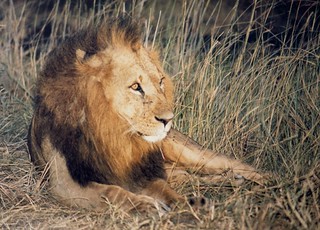
Through dedicated anti-poaching patrols, habitat management, and breeding programs, the park has become a stronghold for this vulnerable species. The success here is not just measured in numbers but in the establishment of a viable, breeding population that contributes to the species' overall recovery. The park's ability to sustain populations of large predators like lions, leopards, and cheetahs, alongside its iconic rhinos and numerous other species, underscores its ecological significance and the effectiveness of its management strategies.
Ecological Dynamics and Human Impact
The ecological dynamics within Nairobi National Park are intricately linked to the surrounding landscape and human activities. The open southern boundary is a critical feature, allowing for the natural movement of wildlife, which is essential for genetic diversity and population health. However, this openness also exposes the park to external pressures.
Increasing human and livestock populations in the adjacent areas lead to competition for resources and can alter natural migration routes. Changing land use patterns, such as agricultural expansion and infrastructure development, further fragment habitats and can isolate wildlife populations. Poaching, though vigilantly combated, remains a persistent threat that requires continuous monitoring and robust security measures.
Understanding these complex interactions is key to developing sustainable conservation strategies for the park and its inhabitants.
A Model for Urban Conservation and Research
Nairobi National Park serves as an invaluable living laboratory for scientific research and a powerful educational tool. Its unique setting allows researchers to study the complex interplay between urban development and wildlife, providing critical data for conservation planning worldwide. Studies conducted here contribute to our understanding of predator-prey dynamics, habitat use, and the resilience of species in human-dominated landscapes.
Furthermore, the park is a significant driver of ecotourism, generating revenue that supports conservation efforts and local economies. It offers a tangible connection to nature for city dwellers and international visitors alike, fostering a greater appreciation for biodiversity and the urgent need for its protection. The park's continued existence and success are a testament to the possibility of coexisting with wildlife, even in the heart of a bustling metropolis.
Challenges and Future Prospects
The future of Nairobi National Park hinges on its ability to adapt to evolving environmental and social landscapes. Addressing the challenges posed by human population growth, habitat encroachment, and the impacts of climate change requires innovative and collaborative approaches. Continued investment in anti-poaching technology and intelligence, alongside community-based conservation initiatives, will be crucial for safeguarding wildlife.
Exploring sustainable land-use planning in the surrounding areas to maintain ecological corridors and minimize human-wildlife conflict is also paramount. The park's legacy as a successful rhino sanctuary and a vibrant urban ecosystem offers a compelling model, but its long-term viability depends on ongoing commitment from government, conservation organizations, local communities, and the global community to protect this irreplaceable natural heritage.
See also
Based on content from Wikipedia · Licensed under CC BY-SA 4.0