

Mong Kok: A Super Busy Place!
Images

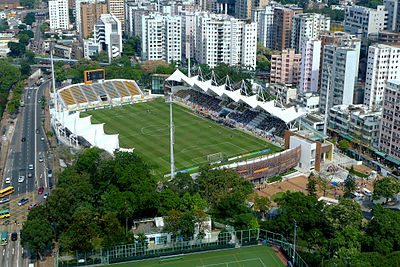
Mong Kok from top of Eaton Smart Hotel





Geographic and Urban Fabric of Mong Kok
Mong Kok, situated on the Kowloon peninsula in Hong Kong, is a prime example of extreme urban development and population concentration. Its geographical setting within a densely populated metropolitan area contributes to its unique character. The urban landscape is a striking mosaic of old and new multi-story buildings, a testament to Hong Kong's rapid growth and vertical expansion.
Street level is dominated by a vibrant retail and restaurant scene, creating a lively, pedestrian-oriented environment. Above these bustling commercial hubs, residential and other commercial units are stacked, maximizing the use of limited space. This vertical integration is a hallmark of Hong Kong's urban planning, driven by intense land value and population pressure.
The area is so densely packed that it feels like a city within a city, a constant hive of human activity.
Historical Evolution and Urban Dynamics
While the provided source doesn't detail specific historical events, the description of Mong Kok as a mix of old and new buildings implies a history of continuous development and redevelopment. Its current form is a result of decades of urban planning and organic growth, transforming it into a major commercial and residential hub. The mention of its portrayal in films as an area associated with triads running bars and nightclubs hints at a complex social history, reflecting the challenges and realities of densely populated urban environments.
This layered history contributes to the area's unique, sometimes gritty, but always energetic atmosphere. The constant flux of people and commerce shapes its ongoing evolution, making it a dynamic urban study.
The Economic Engine
Mong Kok's economy is a powerhouse of retail, restaurants, and entertainment, making it a critical commercial node within Hong Kong. The sheer volume of shops and eateries caters to a massive local population and a constant stream of tourists, driving significant economic activity. This intense commercialization is evident in the streetscapes, where businesses compete for attention, creating a vibrant and often overwhelming sensory experience.
The restaurant sector is particularly diverse, ranging from fast-food chains to specialized local eateries, reflecting the varied tastes and budgets of its inhabitants and visitors. The entertainment industry, though sometimes portrayed with a darker edge in media, adds another layer to the district's economic output and its reputation as a place of constant stimulation and activity.
Social Dynamics and Extreme Population Density
The defining characteristic of Mong Kok is its astonishingly high population density, a fact recognized by the Guinness World Records as the busiest district globally. This extreme concentration of people shapes every aspect of life in the area, from the pace of movement on the streets to the way businesses operate. It creates an environment of constant interaction and a palpable sense of energy.
The description of triads running establishments, while a specific portrayal, points to the complex social dynamics that can emerge in such densely populated urban settings. It highlights the challenges of governance and social order in areas where space is at a premium and human interaction is at its peak. This density is not just a statistic; it's the very essence of Mong Kok's identity.
Governance and Daily Life in a Hyper-Dense Zone
Governing a district like Mong Kok, with its extreme population density and diverse economic activities, presents unique challenges. While the source doesn't detail specific governmental structures for Mong Kok itself, it operates within the broader administrative framework of Hong Kong. This framework would be responsible for managing public services, maintaining order, and regulating the myriad businesses that operate within the district.
Daily life for residents and workers is characterized by constant movement and interaction. The blend of residential and commercial spaces means that work, shopping, and living are all tightly interwoven. The sheer number of people necessitates efficient infrastructure and public transportation, which are crucial for the functioning of such a hyper-dense urban environment.
The area's vibrancy is a direct result of this intense concentration of human activity and commerce.
See also
Frequently Asked Questions
What makes Mong Kok so busy?+
Why are there so many shops and restaurants in Mong Kok?+
How does Mong Kok use its space to fit so many people?+
Where is Mong Kok located in Hong Kong?+
What is the Guinness World Record that Mong Kok holds?+
Based on content from Wikipedia · Licensed under CC BY-SA 4.0