

Monarchy of Thailand
Images

Wat Phra That Doi Suthep




Foundations of Royal Authority
The institution of monarchy in Thailand, traditionally traced to the founding of the Sukhothai Kingdom in 1238, represents one of Southeast Asia's oldest continuous forms of governance. While the Sukhothai era established foundational concepts of kingship, the subsequent Ayutthaya Kingdom further solidified royal power and administrative structures. A brief interregnum occurred in the 18th century, marked by the fall of Ayutthaya and the rise of Taksin, before the establishment of the current Chakri dynasty in 1782.
Founded by King Rama I, the Chakri dynasty has reigned for over two centuries, navigating periods of immense geopolitical change and internal development. The dynasty's longevity is a testament to its adaptability and its deep integration into the cultural and political landscape of Siam, later Thailand. The Grand Palace in Bangkok, serving as the official ceremonial residence, stands as a monumental symbol of this enduring royal legacy, showcasing centuries of architectural evolution and artistic patronage.
The Great Transformation
The year 1932 marked a pivotal turning point in Thai history with the Siamese Revolution, a largely bloodless transition that transformed the absolute monarchy into a constitutional monarchy. This shift was influenced by global trends towards democracy and the rise of new political ideologies. The revolution effectively transferred sovereign power from the monarch to the people, exercised through elected representatives.
While the king retained his position as head of state, his powers became largely ceremonial and symbolic, bound by the constitution. This change aimed to modernize the Thai state and align it with international democratic norms. The monarchy's role evolved from direct rule to that of a unifying national symbol, embodying tradition, culture, and continuity amidst a democratically elected government.
This delicate balance has been crucial in maintaining stability and national identity.
The King's Multifaceted Role in Modern Thailand
In contemporary Thailand, the monarch's role transcends mere symbolic representation. As head of state, the king serves as the ultimate symbol of national unity and identity, embodying the country's rich history and cultural heritage. He is also the Supreme Commander of the Royal Thai Armed Forces, a position that underscores the monarchy's historical connection to national defense and security, though operational command rests with the government.
Crucially, the king is recognized as an adherent of Buddhism and an upholder of all religions practiced in Thailand, playing a vital role in promoting religious harmony and spiritual well-being. This religious leadership is deeply respected and contributes to the monarch's moral authority. The monarchy's continued influence is also seen in its historical patronage of arts, culture, and development projects, often acting as a moral compass and a source of inspiration for the nation.
Cultural Resonance and National Identity
The monarchy is inextricably linked to the cultural identity of Thailand. For centuries, royal courts have been centers of artistic and literary production, shaping national aesthetics and narratives. Royal ceremonies, traditions, and the veneration of the monarch are deeply ingrained in Thai society, fostering a profound sense of national pride and collective memory.
The Chakri dynasty, in particular, has overseen significant cultural developments, preserving ancient traditions while also adapting to modern influences. The transition to a constitutional monarchy in 1932 did not diminish the monarchy's cultural significance; rather, it redefined its role as a custodian of heritage and a symbol of enduring national values. The respect and reverence afforded to the king by the Thai people highlight the monarchy's unique and indispensable position within the nation's social and cultural fabric.
The Monarchy in the 21st Century
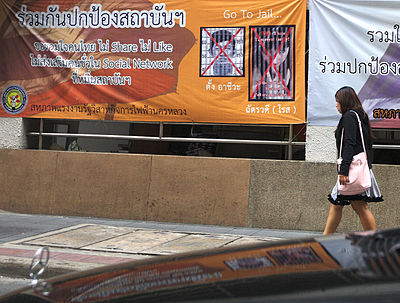
The Thai monarchy navigates a complex landscape in the 21st century, balancing its historical legacy with the realities of modern governance and societal change. While the constitutional framework defines the king's powers, the monarch's moral authority and symbolic influence remain substantial. The institution faces ongoing challenges related to public perception, political dynamics, and the need to remain relevant to younger generations.
However, the deep-rooted respect for the monarchy, stemming from its long history and its role as a cultural anchor, continues to provide a degree of stability. The Chakri dynasty's ability to adapt over centuries, from absolute rule to its current constitutional status, suggests a capacity for resilience. The monarchy's continued presence as head of state and upholder of traditions ensures its enduring significance in shaping Thailand's national narrative and identity.
See also
Frequently Asked Questions
What is the monarchy of Thailand?+
When did Thailand change from an absolute monarchy to a constitutional monarchy?+
Where is the Grand Palace located?+
Why is the king considered a symbol of national unity?+
How does the king help with religion and culture?+
Based on content from Wikipedia · Licensed under CC BY-SA 4.0