

Campania
Images

Positano, Campania, Italia




Geographical Tapestry
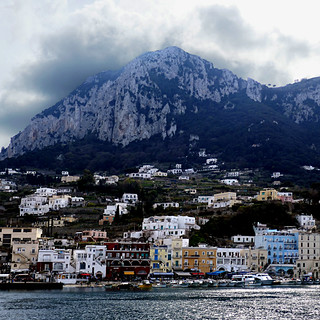
Campania's geography is a dramatic interplay of geological forces and coastal beauty. Situated in southern Italy, its western edge is defined by the Tyrrhenian Sea, which has shaped its coastline with stunning features like the Amalfi Coast, a UNESCO World Heritage site renowned for its dramatic cliffs and picturesque towns. Inland, the region is characterized by fertile plains, particularly the Campania plain, and rolling hills.
Dominating the landscape is Mount Vesuvius, a stratovolcano whose historical eruptions, most famously in 79 AD, have both devastated and preserved ancient settlements. The region also includes significant islands such as Capri and Ischia. Its climate is Mediterranean, fostering a rich agricultural output.
This varied topography supports a high population density, making Campania one of Italy's most densely populated regions, with Naples serving as its vibrant, sprawling capital.
Stratified History
The historical narrative of Campania is exceptionally rich, reflecting millennia of human settlement and cultural exchange. The region was initially inhabited by indigenous Italic peoples like the Osci and Samnites, alongside the Etruscans. Between the 8th and 7th centuries BC, Greek colonists established a significant presence, forming part of 'Magna Graecia,' and founding cities like Neapolis (Naples).
The Romans later conquered the area, recognizing its strategic importance and agricultural wealth, which they termed 'Campania felix' for its fertile lands. This period saw the development of sophisticated infrastructure and urban centers. The legacy of these eras is vividly preserved in numerous archaeological sites, including Pompeii, Herculaneum, and Paestum, offering unparalleled insights into ancient life, architecture, and urban planning.
The region's historical depth is a cornerstone of its identity and a major draw for global tourism.
Cultural Crucible
Campania stands as a vibrant cultural hub, celebrated globally for its contributions to art, music, architecture, and, most famously, its cuisine. Naples, the regional capital, is universally recognized as the birthplace of pizza, a culinary innovation that has transcended borders. The region's gastronomy is further enriched by its abundant agricultural produce and fresh seafood, alongside iconic products like buffalo mozzarella and limoncello.
Campania is home to an impressive ten UNESCO World Heritage Sites, underscoring its immense cultural significance. These include the archaeological areas of Pompeii, Herculaneum, and Paestum, the historic center of Naples, and the breathtaking Amalfi Coast. The region's artistic heritage is evident in its Baroque architecture, vibrant street art, and enduring musical traditions, reflecting a dynamic cultural evolution over centuries.
Economic Engine and Geopolitical Nexus
Campania is a region of considerable economic and demographic weight within Italy. As the third most populous region in the country, with over 5.5 million inhabitants, it possesses a substantial labor force. Its capital, Naples, anchors one of the largest urban areas in the European Union, contributing significantly to regional economic output.
Campania ranks as the most economically productive region in Southern Italy and seventh nationally, driven by diverse sectors including manufacturing, tourism, and agriculture. Beyond its economic contributions, Campania plays a notable role in international affairs. It hosts critical geopolitical institutions, including NATO's Allied Joint Force Command Naples and the Parliamentary Assembly of the Mediterranean.
This dual role as an economic powerhouse and a center for international diplomacy highlights Campania's enduring significance on both national and global stages.
Education and Research
Campania places a strong emphasis on education and research, fostering intellectual growth and innovation. The region is home to several prominent universities, with the University of Naples Federico II being one of the oldest and most prestigious in Europe, founded in 1224. This institution, along with others like the University of Salerno and the Parthenope University of Naples, offers a wide range of academic programs across various disciplines, attracting students from Italy and abroad.
These universities are hubs for scientific research, contributing to advancements in fields such as engineering, medicine, humanities, and environmental sciences. Furthermore, Campania's commitment to education extends to its numerous vocational training centers and specialized research institutes, all working to equip its population with the skills needed for a competitive global economy and to preserve its rich cultural and historical heritage for future generations.
Go deeper
Frequently Asked Questions
What is Campania?+
Where can I find the Amalfi Coast?+
Why is Campania famous for pizza?+
What are some UNESCO World Heritage sites in Campania?+
What is Mount Vesuvius?+
Based on content from Wikipedia · Licensed under CC BY-SA 4.0