

Militarism: When Countries Get Too Big for Their Boots!
Images
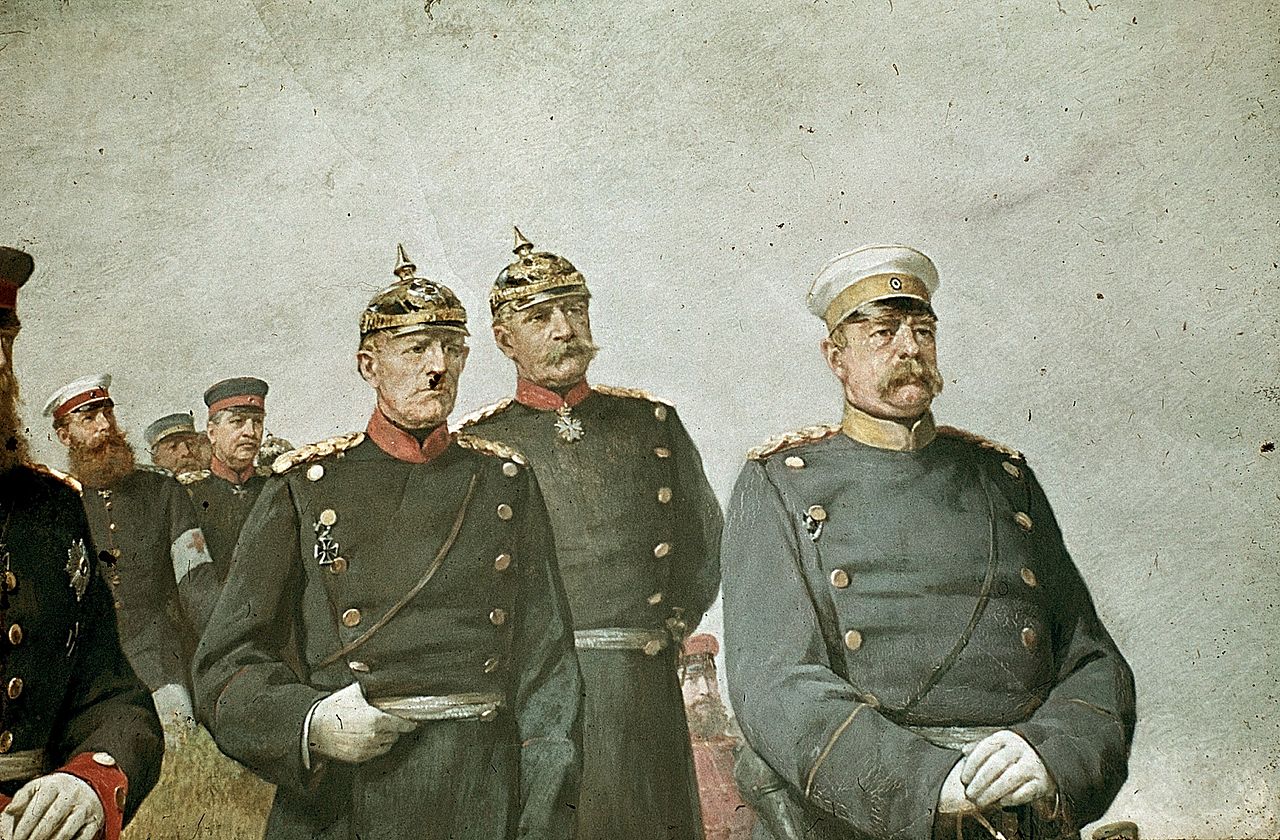
Militarism
Defining Militarism
Militarism is a complex ideology and practice where a nation's military power and preparedness are elevated to a supreme position, often shaping its foreign policy, domestic priorities, and cultural values. It transcends simply possessing a strong defense; it involves a pervasive belief that military might is the primary means of achieving national goals, ensuring security, and projecting influence. This can manifest in a society where military values like discipline, hierarchy, and aggression are highly esteemed, and where military institutions wield significant political and economic power.
The glorification of war and the warrior ethos are often central, leading to a populace that may be more receptive to military solutions for international disputes. It’s a framework that prioritizes the instruments of war and the readiness to deploy them, often overshadowing diplomatic, economic, or cultural avenues for international engagement. This can create a self-perpetuating cycle where military spending and influence grow, further entrenching the militaristic mindset.
Historical Trajectories
The historical development of militarism is deeply intertwined with the rise of nation-states and imperial expansion. Ancient empires, driven by conquest and the need to maintain vast territories, often exhibited militaristic tendencies. However, modern militarism gained significant momentum during the 19th and early 20th centuries.
The industrial revolution provided unprecedented capabilities for mass production of weaponry, fueling an arms race, particularly among European powers. Nations like Germany, under figures like Kaiser Wilhelm II, actively pursued Weltpolitik, a policy of global power projection heavily reliant on military strength, especially its navy. This era saw a dramatic increase in military budgets, the development of complex war plans, and a pervasive sense of nationalistic rivalry.
The intricate web of alliances, coupled with this heightened military readiness and a willingness to use force, created a volatile environment that ultimately contributed to the outbreak of World War I, a conflict that profoundly reshaped global politics and demonstrated the devastating potential of unchecked militarism.
The Multifaceted Impact
The consequences of militarism are far-reaching and deeply impactful. Societally, it can lead to the erosion of civil liberties, as governments may prioritize national security measures that restrict freedoms. The constant emphasis on external threats can foster a climate of fear and suspicion, potentially leading to xenophobia and the marginalization of dissenting voices.
Economically, militarism represents a significant opportunity cost. Vast sums of money, labor, and scientific talent are diverted to military production and operations, resources that could otherwise be invested in education, healthcare, sustainable energy, or poverty reduction. This can stunt long-term economic development and create dependency on the military-industrial complex.
Geopolitically, militarism is a primary driver of international tension and conflict. It fuels arms races, increases the likelihood of pre-emptive strikes, and makes diplomatic solutions more challenging. The proliferation of advanced weaponry, a hallmark of militaristic states, poses a constant threat to global stability and peace, often leading to proxy conflicts and regional instability.
Manifestations and Mechanisms
Militarism operates through various interconnected mechanisms. Politically, it involves the disproportionate influence of military leaders and defense industries on government policy, often referred to as the military-industrial complex. This can lead to policies that favor military solutions and increased defense spending.
Culturally, militarism is perpetuated through propaganda, media portrayals that glorify warfare and military heroes, and educational systems that emphasize nationalistic and martial values. Public rituals, such as military parades and nationalistic ceremonies, reinforce the importance of the armed forces. Technologically, the pursuit of military superiority drives innovation in weaponry and surveillance, which can then have dual-use applications. Furthermore, the economic structures supporting militarism, including arms manufacturing and export, create powerful vested interests that lobby for continued military investment and international tensions.
Understanding these mechanisms is crucial to analyzing and potentially mitigating the effects of militarism.
Contemporary Relevance and Critiques
In the contemporary world, militarism remains a significant force, albeit in evolving forms. While large-scale interstate wars have become less frequent, the global arms trade continues to thrive, and many nations maintain substantial military budgets. The rise of non-state actors, terrorism, and cyber warfare has also led to new justifications for military preparedness and intervention.
Critiques of militarism often highlight its inherent tendency towards violence, its economic inefficiency, and its detrimental impact on human rights and democratic values. Peace movements and international organizations actively work to counter militaristic tendencies by promoting disarmament, diplomacy, and the peaceful resolution of conflicts. The ongoing debate about the role and size of military forces, the ethics of warfare, and the allocation of global resources underscores the enduring relevance of understanding and challenging militarism in the 21st century.
Go deeper
Frequently Asked Questions
What is militarism?+
Why do some countries love their armies so much?+
How did militarism grow during the 19th and early 20th centuries?+
What can happen when a country spends too much on its army?+
Why is it important to talk about peace instead of war?+
Based on content from Wikipedia · Licensed under CC BY-SA 4.0