

Mersin Province
Images
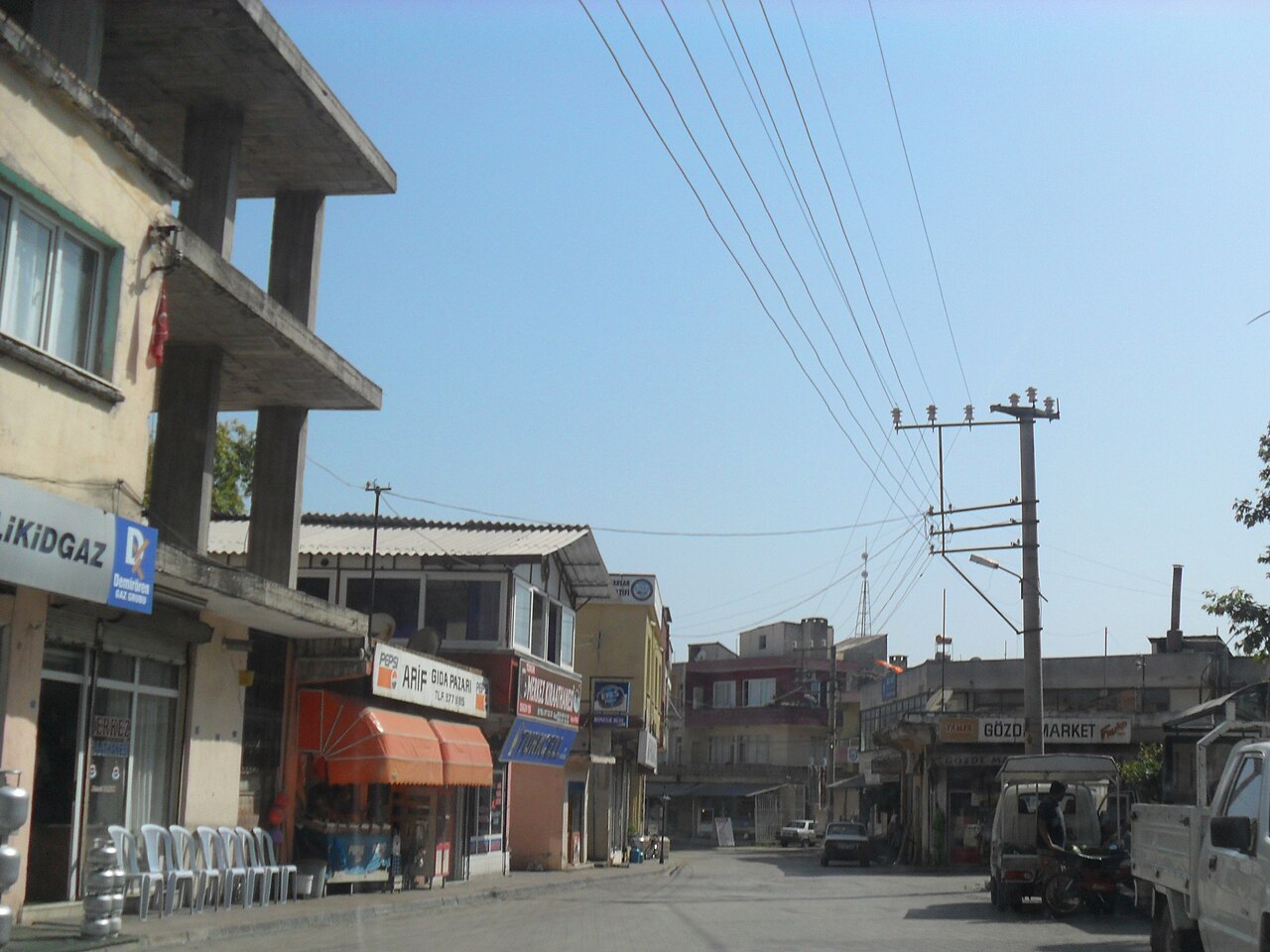
File:Tömük, Mersin Province, Turkey.JPG


Geopolitical and Economic Significance on the Mediterranean
Mersin Province occupies a strategically crucial position on Turkey's southern Mediterranean coast, serving as a vital economic and logistical corridor. Its geographical placement between the provinces of Antalya and Adana positions it as a key transit point for both domestic and international trade. The province encompasses a substantial area of 16,010 km², supporting a population of over 1.9 million residents as of 2022.
The capital city, Mersin, is not just the largest urban center but also a major port city, functioning as a critical gateway for goods entering and leaving Turkey. This role is amplified by its inclusion in the broader Çukurova region, an area recognized for its economic synergy and shared cultural identity. The province's infrastructure, particularly its port facilities and transportation networks, underpins its importance in regional commerce and Turkey's overall economic strategy, facilitating trade routes that connect the Middle East, Europe, and Asia.
A Palimpsest of History
The historical narrative of Mersin Province is deeply layered, reflecting its long-standing role as a crossroads for civilizations. Formerly known as İçel Province, its administrative designation has evolved, but its historical significance remains profound. The city of Tarsus, located within Mersin Province, stands out as a site of immense historical and religious importance.
It is famously recognized as the birthplace of Paul the Apostle, a figure who profoundly shaped the development of Christianity. This connection draws global attention, making Tarsus a focal point for historical and theological studies. The province's Mediterranean coastline has historically facilitated maritime trade and cultural exchange, leading to a rich tapestry of influences.
Understanding Mersin's past requires appreciating its continuous engagement with diverse cultures and empires that have traversed its lands and seas over millennia, leaving indelible marks on its identity.
Socio-Cultural Dynamics and Regional Integration
Mersin Province is a vibrant mosaic of social and cultural life, deeply intertwined with its geographical and historical context. As a metropolitan municipality, its capital, Mersin, is a dynamic urban center characterized by a diverse population and a lively cultural scene. The province's identity is further shaped by its inclusion in the Çukurova region, fostering a sense of shared heritage and economic cooperation with neighboring provinces like Adana, Osmaniye, and Hatay.
This regional integration is crucial for coordinated development strategies and cultural preservation. The province's agricultural sector, benefiting from its fertile lands and Mediterranean climate, plays a significant role in its economy and the daily lives of its inhabitants. Furthermore, the historical legacy, particularly Tarsus's connection to Paul the Apostle, imbues the region with a unique cultural and spiritual dimension, attracting visitors and scholars alike, and contributing to a rich, multi-faceted regional identity.
Contemporary Mersin
In the modern era, Mersin Province navigates a landscape of both significant opportunities and ongoing challenges. Its primary port continues to be a cornerstone of its economic strength, driving trade and employment. The province's strategic location offers advantages for logistics and international commerce, making it a key player in Turkey's economic ambitions.
However, like many rapidly developing regions, it faces challenges related to urban growth, infrastructure development, and environmental sustainability. The rich historical and cultural assets present opportunities for heritage tourism, which can diversify the economy and promote cultural understanding. Balancing economic development with the preservation of its natural beauty and historical integrity is a key objective.
The province's future trajectory will likely depend on its ability to leverage its strategic advantages while addressing the complexities of modern development and maintaining its unique cultural heritage.
See also
Frequently Asked Questions
What is Mersin Province and where is it located?+
Why is the port in Mersin important?+
Who was born in Tarsus, a city in Mersin Province?+
What kind of farming is common in Mersin Province?+
How does Mersin Province connect with nearby provinces?+
Based on content from Wikipedia · Licensed under CC BY-SA 4.0