

Maxim Gorky: A Storyteller for the People
Images
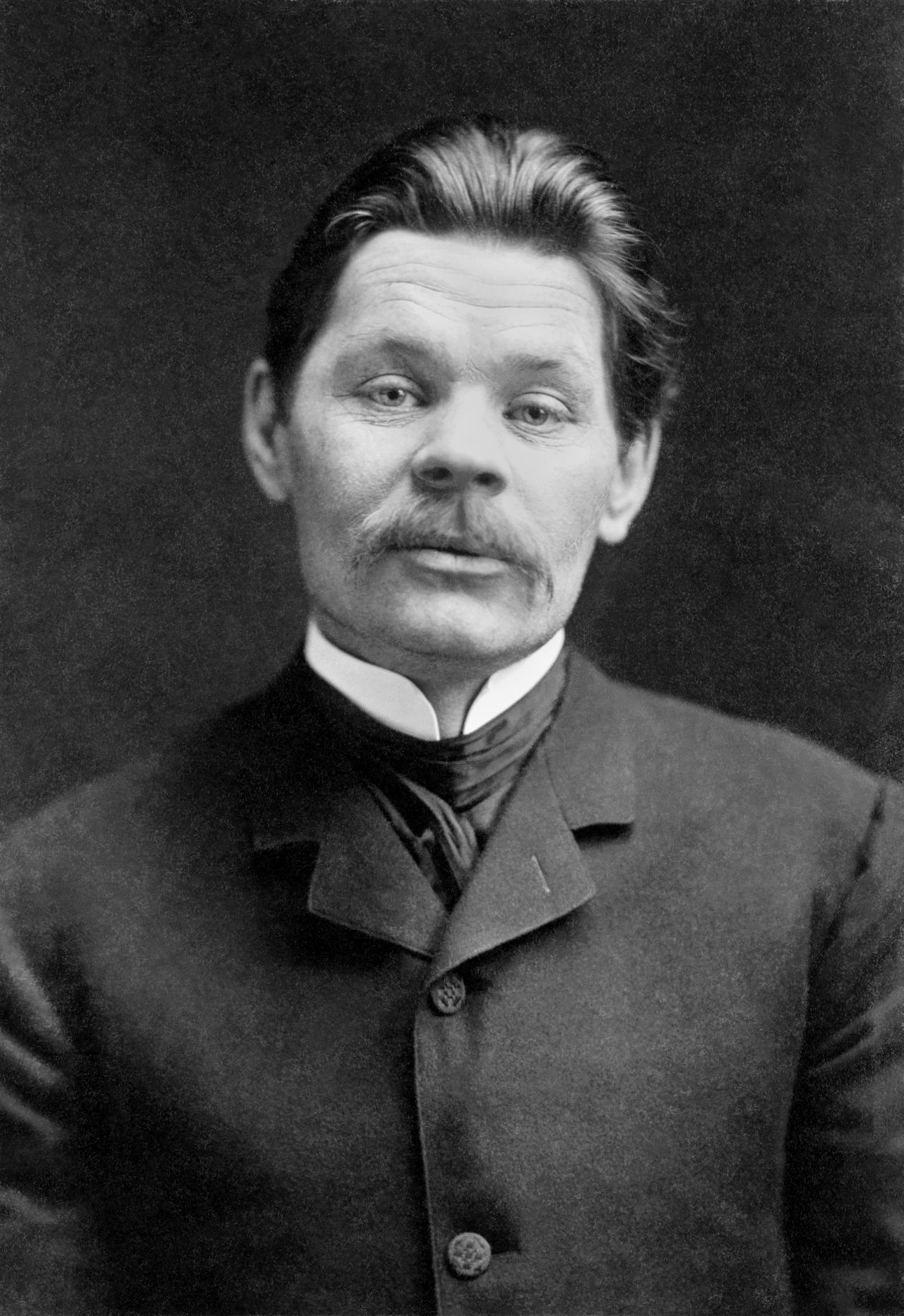
Maxim Gorky
Forging a Literary Identity from Hardship
Alexei Maximovich Peshkov, born on March 28, 1868, in Nizhny Novgorod, Russia, emerged from a childhood marked by profound loss and economic precarity to become Maxim Gorky, a literary force whose name became synonymous with the voice of the Russian proletariat. Orphaned at a young age, his formative years were spent in a relentless struggle for survival, working menial jobs across the vast Russian Empire. This immersion in the lives of the dispossessed-factory laborers, vagrants, and the urban poor-provided him with an unparalleled reservoir of authentic experience.
His early literary endeavors, published under the pseudonym Maxim Gorky ('Maxim the Bitter'), were characterized by a raw, unsentimental portrayal of social realities, a stark departure from the more genteel literature of the era. Works like 'Makar Chudra' and 'Chelkash' immediately established his reputation for vivid characterization and a powerful, albeit often bleak, depiction of human existence on the margins.
'The Lower Depths'
Gorky's magnum opus, the play 'The Lower Depths' (1902), stands as a monumental achievement in world drama and a pivotal work in his career. Premiering in Moscow, the play offers a profound and unflinching examination of individuals trapped in the abyss of poverty and despair. Set in a subterranean flophouse, it presents a gallery of characters-the disillusioned intellectual, the aging actor, the pragmatic thief, the philosophical drunkard-each grappling with their own existential crises.
The play's power lies not only in its stark realism but also in its exploration of complex philosophical questions concerning truth, illusion, hope, and the very definition of human dignity. The character of Luka, the itinerant preacher, embodies a compassionate but ultimately fragile idealism, contrasting with Satin's nihilistic pronouncements. 'The Lower Depths' resonated deeply with audiences worldwide, becoming a touchstone for discussions on social inequality and the enduring human spirit.
Navigating the Ideological Labyrinth
Maxim Gorky's life and literary output were inextricably linked to the tumultuous political landscape of early 20th-century Russia. A fervent critic of the Tsarist autocracy, he became an early supporter of revolutionary movements, forging significant connections with figures like Vladimir Lenin. His writings often served as a powerful tool for social and political critique, galvanizing support for change.
However, his relationship with the burgeoning Soviet state proved complex and often fraught. While initially celebrated as a national hero and the 'founder' of socialist realism, Gorky experienced periods of estrangement and exile, particularly during the 1920s. His eventual return to the Soviet Union in 1931 marked a complex reconciliation, though he continued to navigate the increasingly rigid ideological demands of the regime.
His later works, while still imbued with social consciousness, often reflected the pressures of conforming to state-sanctioned artistic doctrines.
The Enduring Resonance of Gorky's Voice
Maxim Gorky's legacy is multifaceted, encompassing his role as a literary innovator, a social commentator, and a figure deeply embedded in the ideological struggles of his time. His profound empathy for the marginalized and his unflinching portrayal of human suffering continue to resonate with contemporary readers. Gorky demonstrated the power of literature to bear witness to the lives of those often overlooked by history, challenging societal norms and advocating for a more just world.
His autobiographical trilogy, 'Childhood,' 'In the World,' and 'My Universities,' remains a seminal work of Russian literature, offering a poignant and insightful account of personal growth against a backdrop of immense social upheaval. Despite the controversies and complexities surrounding his later life and political affiliations, Gorky's fundamental contribution lies in his enduring testament to the resilience of the human spirit and the vital importance of giving voice to the voiceless.
Go deeper
Frequently Asked Questions
Who was Maxim Gorky?+
Why did Gorky write about poor people?+
What is the play "The Lower Depths" about?+
How did Gorky feel about the Russian government?+
Did Gorky ever leave Russia?+
Based on content from Wikipedia · Licensed under CC BY-SA 4.0