

Marin County, California
Images

Mansion in Marin County, California (3 of 3)



Geographic Tapestry
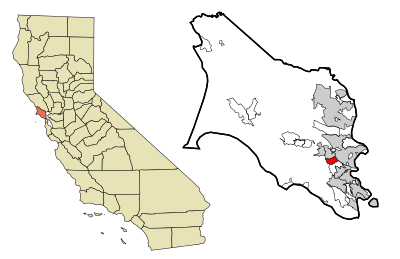
Marin County occupies a geographically diverse and strategically significant position within the San Francisco Bay Area. Bordered by the Pacific Ocean to the west and San Francisco Bay to the east, its landscape is a dramatic interplay of coastal ranges, fertile valleys, and expansive shorelines. The county is renowned for its commitment to preserving natural beauty, with a substantial portion of its land designated as protected open space.
Iconic natural landmarks include Muir Woods National Monument, home to majestic old-growth coast redwoods that stand as living testaments to ancient ecosystems; Point Reyes National Seashore, a wild and windswept peninsula vital for migratory birds and marine life; and Mount Tamalpais State Park, a prominent peak offering breathtaking panoramic views and serving as a recreational hub. The climate is Mediterranean, characterized by mild, wet winters and warm, dry summers, which supports a rich biodiversity and facilitates year-round outdoor activities.
Its proximity to San Francisco, connected by the iconic Golden Gate Bridge, makes it a desirable residential area while simultaneously necessitating careful management of development and environmental impact.
A Legacy of Recreation and Early Innovation
The historical narrative of Marin County is deeply rooted in its natural environment and the human desire to explore and engage with it. Indigenous peoples inhabited this land for millennia, developing a profound connection with its resources. European settlement brought agricultural development and eventually, a growing appreciation for the region's recreational potential.
Marin County holds a unique place in the history of modern sports. It is widely recognized as the birthplace of mountain biking, with pioneers in the 1970s modifying bicycles to tackle the challenging fire roads and trails of Mount Tamalpais, essentially creating a new sport. This spirit of innovation and athleticism is further embodied by the Dipsea Race, established in 1905.
As the oldest cross country running event in the United States, it continues to draw elite athletes and enthusiasts alike, testing their endurance and agility on its demanding course. These historical threads underscore Marin's enduring identity as a center for outdoor adventure and athletic pursuit.
Cultural Identity
Marin County is distinguished by a unique cultural milieu, often characterized by a high degree of affluence and a strong emphasis on aesthetics and environmental consciousness. The county consistently ranks among the wealthiest in the United States, reflected in its high per capita and median household incomes. This prosperity has fostered a sophisticated cultural landscape, attracting artists, writers, and professionals who value both natural beauty and intellectual pursuits.
A testament to the county's architectural ambition is the Marin County Civic Center in San Rafael. Designed by the renowned architect Frank Lloyd Wright, it is his last major public building and a masterpiece of organic architecture, featuring a distinctive golden dome and sweeping arches. The building draws thousands of visitors annually, serving as a symbol of innovative design and civic pride.
The presence of San Quentin State Prison also adds a complex layer to the county's social fabric, representing a significant state institution within its borders.
Economic Drivers
The economy of Marin County is a fascinating blend of high-income professional services, technology, and a robust tourism sector, all underpinned by a strong commitment to environmental preservation. While many residents commute to San Francisco or work remotely, the county also boasts significant local employment in fields such as healthcare, education, and finance. The natural attractions, including Muir Woods, Point Reyes, and Mount Tamalpais, are major draws for tourists, supporting hospitality and recreation-related businesses.
Furthermore, Marin County has a notable agricultural sector, particularly in its western regions, contributing to its reputation for high-quality local produce and artisanal foods. This economic model thrives on the county's desirability as a place to live and visit, driven by its natural beauty and high quality of life, while simultaneously facing the ongoing challenge of balancing economic growth with the imperative to protect its pristine environment and maintain its distinctive character.
Governance and Education
The governance of Marin County is managed by a five-member Board of Supervisors, elected officials who oversee county operations, policy-making, and resource allocation. This structure ensures local representation and decision-making for the county's diverse communities. The county's commitment to education is evident in its well-regarded public school systems and a variety of private educational institutions, catering to a population that highly values academic achievement.
Beyond K-12, the county supports adult education and lifelong learning opportunities. The presence of the Marin County Civic Center, a landmark of architectural significance, also serves as the administrative heart of the county government, housing various departments and services. The county's approach to governance and education reflects its broader values: a blend of progressive ideals, environmental stewardship, and a dedication to fostering a well-informed and engaged citizenry within its unique geographical and cultural context.
See also
Based on content from Wikipedia · Licensed under CC BY-SA 4.0